Lockouts · Springwater
Lost Keys — Same-Visit Rekey
Your purse was taken from the back of a chair at a restaurant.
In plain words
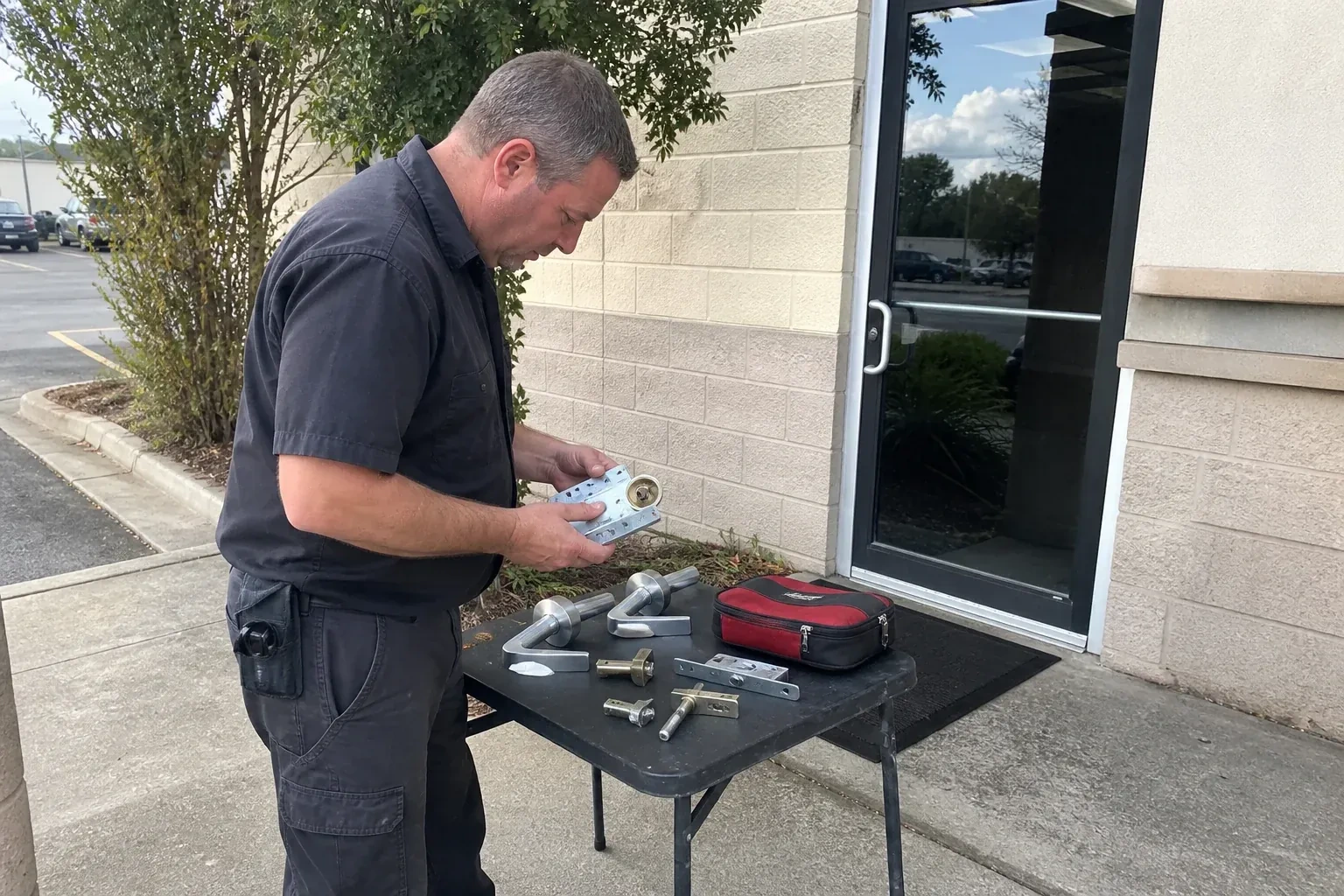
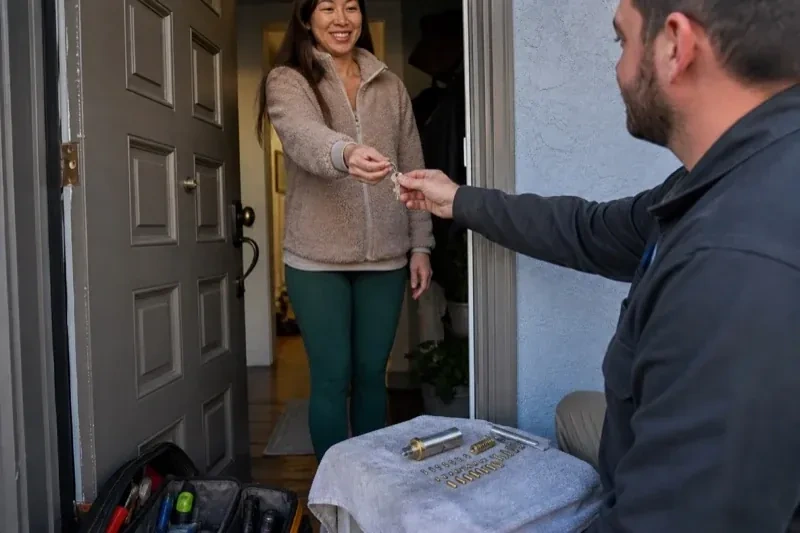
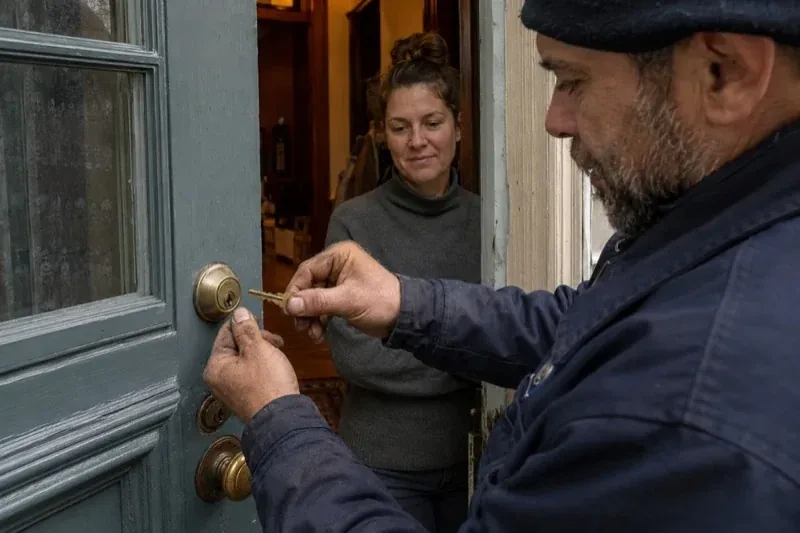
The visit runs in a steady order. On the phone you describe what was lost, which doors it opened and whether you have a way in. At the door the locksmith confirms your connection to the property, then walks it with you listing every cylinder. Each one comes off in turn, is repinned to the new key and refitted. The first key is cut to the new combination and checked in every lock, and the remaining copies are cut from it. Then every key is tried in every door with you watching, the count is agreed, and the new key code is written down for future copies.
How the visit goesYou were shovelling the driveway after dark and the ring must have slid out of your coat pocket somewhere under a metre of snow. You have raked the whole bank with a flashlight. It will turn up in April, and you would rather not wait.
Lost Keys — Same-Visit Rekey
How the visit goes
What was on the ring
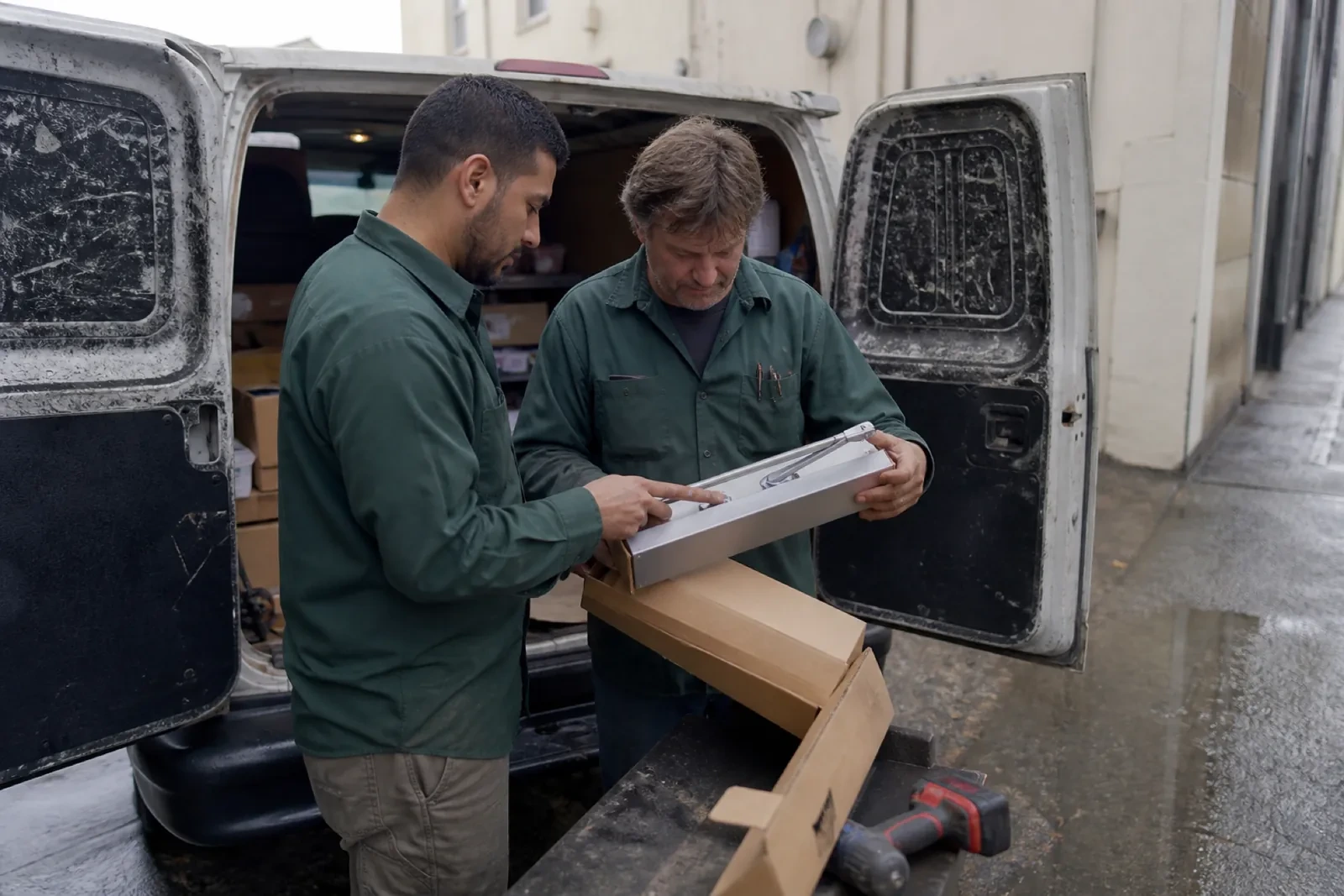
The next few minutes are spent on the ring itself, because a key ring is a bundle of different problems. House keys point to cylinders that will be repinned. A garage remote points to an opener whose memory should be cleared. A building fob or parking card points to a property manager. A car key with a chip points to the automotive side of the trade. A tag with an address, a licence lost in the same bag, or a work lanyard in the same pocket changes how soon the household side should be settled. Listing it all before any tool comes out means nothing on the ring is forgotten when the van pulls away.
Dealing with the electronic things on the ring
A rekey covers the mechanical keys; the visit also tidies what sat beside them. If a garage door remote was lost, the opener's memory is cleared at the unit on the ceiling so every remote is forgotten, and the ones still in the household are paired again. A keypad lock that shares a door with a rekeyed cylinder has its user codes reviewed and any code the lost ring's owner knew is changed. A building fob or parking card is reported to the property manager for deactivation, and the locksmith can make that call with you. A car key with a chip is booked as separate automotive work.
The old key is now a piece of brass
Whatever became of the lost key, it stopped mattering the moment the last cylinder went back on the door. It still slides into the keyway, because the keyway did not change, but the pins inside no longer line up with its cuts, so it turns nothing. Whoever finds it in a snowbank in April, or already has it in a drawer, holds a shape that fits your lock and does nothing to it. That is the whole purpose of the visit, and it is worth pausing on: the worry that started the day has a definite ending, and you can watch it demonstrated with the old key in your own hand.
Lost Keys — Same-Visit Rekey
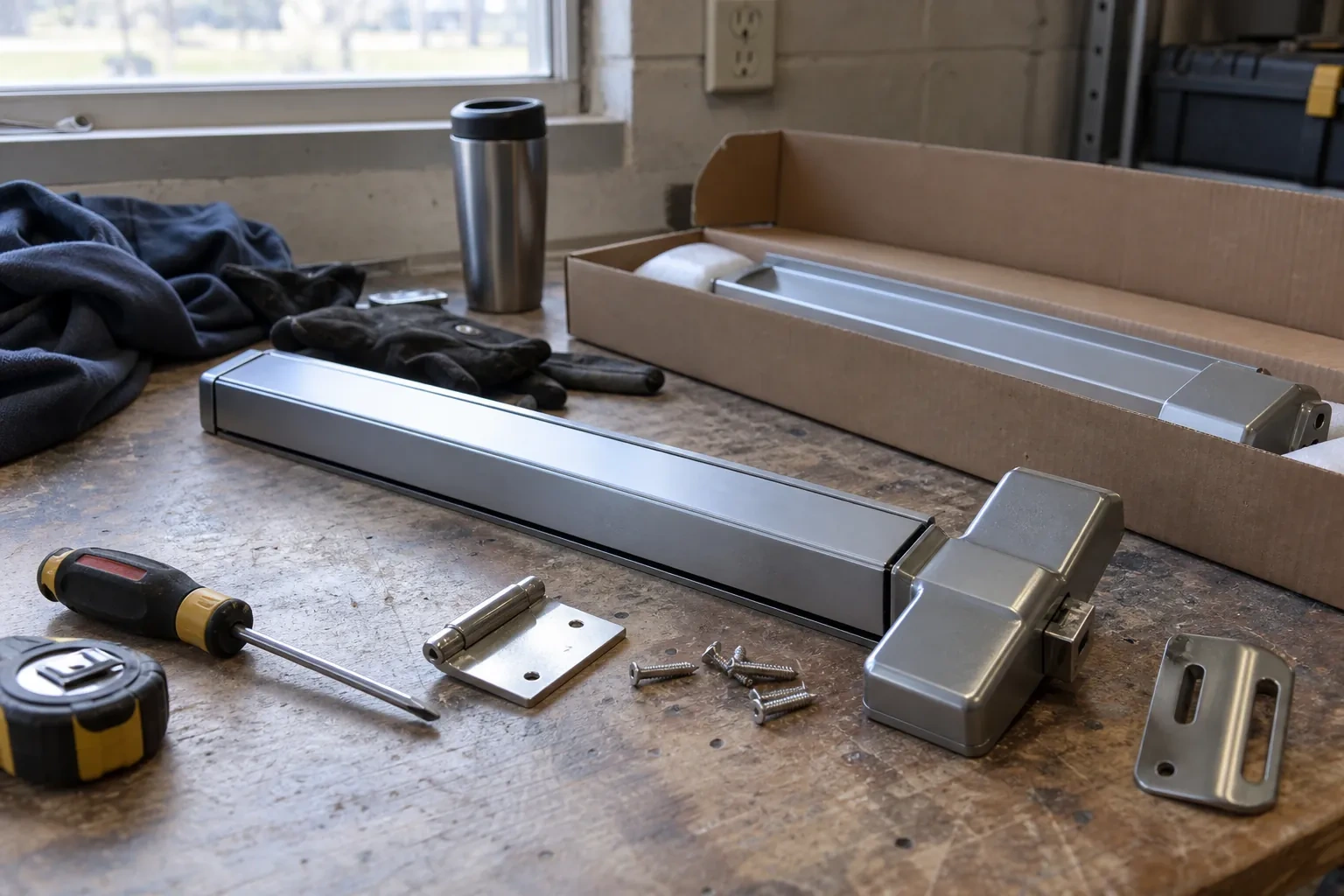
In the van
Key tags and a key register
Rekeyable-cylinder reset tool
Replacement cylinders
Dry graphite or PTFE lubricant
Rekeying pin kit
Lost Keys — Same-Visit Rekey
What affects the quote
Whether the doors can share one key as they are
Cylinders from the same keyway family are pinned alike with no extra parts. A door from a different family needs a compatible cylinder swapped in if you want a single key, and that part is quoted separately.
How many cylinders are on the list
A front door with a deadbolt and a handle is two cylinders. Add the back door, the garage entry, a side door and a shed and the count climbs, and the quote follows the number of cylinders repinned.
Getting to each cylinder
Doors spread across a large lot, a suite up several flights behind a locked lobby, or a gated property with a padlock at the road add walking and waiting time that the quote allows for.
What to have ready
- Is the property a condo or apartment with shared entrance doors?
- Do you know roughly how many copies of the old key exist?
- How many people will need a key afterwards?
Lost Keys — Same-Visit Rekey: questions
QuestionsIs rekeying the same as changing the locks?
They lead to the same result, a door that a different key opens, by different means. Changing the locks puts new hardware on the door. Rekeying keeps the deadbolt and handle you have and changes what is inside the cylinder, commonly the bottom pins on a conventional lock or a reset on a homeowner-rekeyable one, so a new key operates it and the old one turns nothing. For hardware in good condition, rekeying is the natural choice after a lost key because nothing about the door's look or fit changes.
How long does a whole-house rekey take?
Plan on an hour or two for a typical house with three or four cylinders, including the walk-through, identification, pinning, cutting and testing. Each additional cylinder adds a little, as does swapping a cylinder to bring a mismatched door onto the same key, resetting a homeowner-rekeyable lock or clearing a garage opener. The locksmith gives a realistic window on the phone once the list of doors is known.
What should I do before the locksmith arrives?
Walk the property and note every door the missing key opened, including the garage, shed and gate. Gather any keys you still have, since a working key helps in reading each cylinder. Have identification and, for tenants, something showing the tenancy. Decide roughly how many keys you want and whether you would like all doors on one key. If a garage remote or building fob was lost too, mention it when you book.