Lockouts · Minesing
Lost Keys — Same-Visit Rekey in Minesing
Your purse was taken from the back of a chair at a restaurant.
In plain words
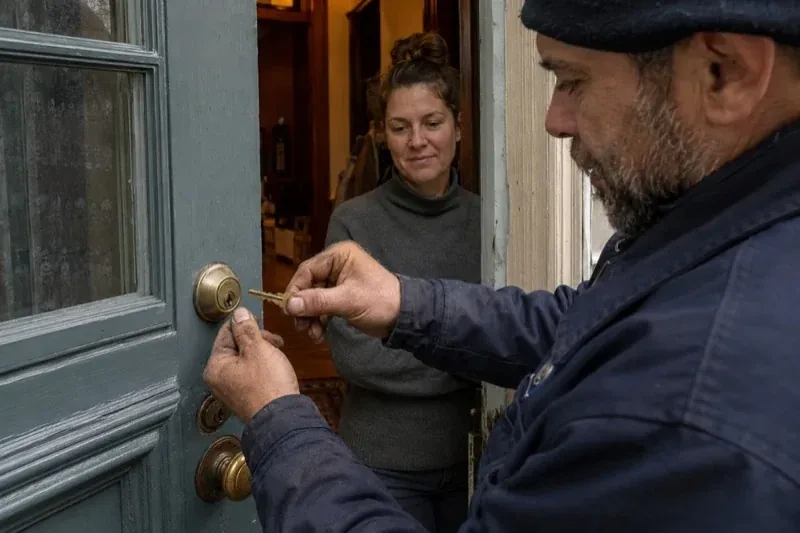
When a key disappears, cutting yourself another copy solves the wrong half of the problem. You can get in again, but so can whoever finds the original. A same-visit rekey turns that around: the locksmith works through each cylinder the missing key operated, fitting new bottom pins on a conventional lock or resetting a homeowner-rekeyable one through its own procedure, and refits the lock to the door. The lost key still slides into the keyway but no longer lifts the pins to the right height, so it turns nothing. You leave with fresh keys cut on site and the same locks you already had.
How the visit goesThe spare under the planter by the side door is gone. Everyone in the family swears they did not take it, the planter has clearly been shifted, and you have no idea how long ago that happened.
Lost Keys — Same-Visit Rekey
How the visit goes
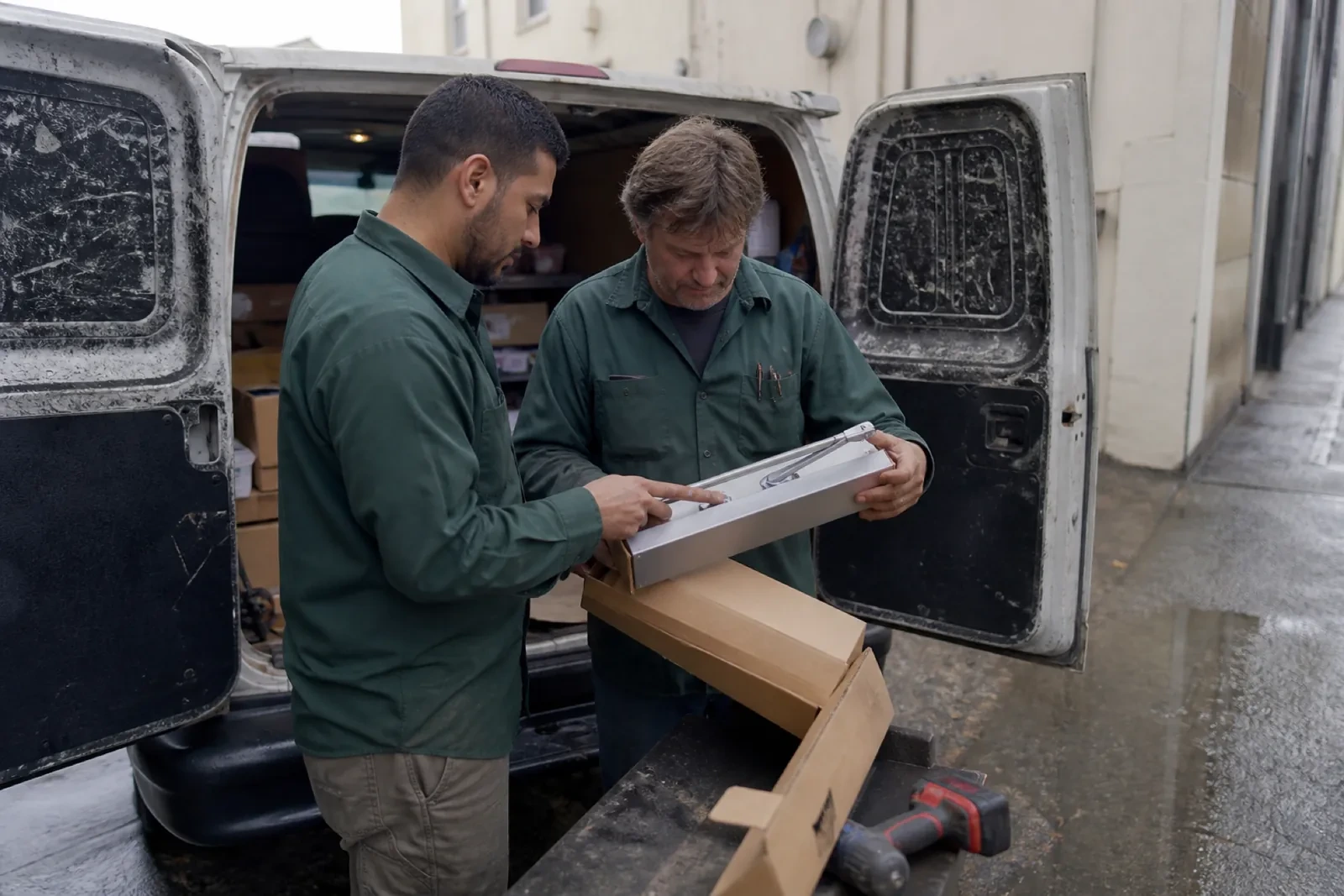
Can all these doors share one key?
With the cylinders read, the locksmith can say whether the whole property can live on one key. Cylinders from the same keyway family accept the same blank, so they can be pinned to the same combination. Where the front door is one family and the garage entry another, the choice is to keep two keys or swap one cylinder for a compatible one during the visit. Five-pin and six-pin cylinders, and homeowner-rekeyable types, each have their own limits on what they can be matched to. A minute of comparing keyways before the work begins is what makes a single ring possible afterwards rather than a near miss.
Testing every key in every lock before leaving
The last part of the work is deliberate repetition. Each new key is tried in each cylinder it should open, with the door open and again with it closed and bolted, so a pin that feels fine on the bench is proven on the door. The old key is tried too and shown turning nothing. Cylinders that were dry or gritty get the lubricant their maker specifies, a puff of graphite, PTFE or a specified liquid product, and a few cycles to spread it. Screws are checked snug, covers seated, and the pile of old keys and any swapped cylinders is handed to you or taken away as you prefer. Only then is the key count confirmed and written down.
Cylinders that turn more sweetly than before
A cylinder that has been apart, cleaned and repinned usually feels better than it did before the key went missing. Old grease, road salt and the grit that collects in a keyway over a decade came out with the plug, and a dry lubricant went in. Keys cut to code seat fully and lift each pin cleanly. If a door had a key that needed a wiggle or a shove, that is often gone. Follow your lock's own maintenance guidance to keep it that way: many cylinders take a puff of graphite or PTFE into the keyway now and then, some a specified liquid lubricant instead; general household oils and sprays collect dust and gum the pins.
Lost Keys — Same-Visit Rekey
In the van
Key tags and a key register
Rekeyable-cylinder reset tool
Replacement cylinders
Dry graphite or PTFE lubricant
Rekeying pin kit
Lost Keys — Same-Visit Rekey
What affects the quote
Master-keyed building cylinders
A condominium or apartment suite cylinder on a building master system is pinned so the master still works, which takes coordination with management and a little more time than a stand-alone house door.
Upgrades chosen during the visit
Some people take the moment to move to a heavier deadbolt, a restricted keyway, a reinforced strike or a lockbox for the spare. None of it is required; each option is a separate line.
Getting to each cylinder
Doors spread across a large lot, a suite up several flights behind a locked lobby, or a gated property with a padlock at the road add walking and waiting time that the quote allows for.
What to have ready
- Do you currently have a way inside, or are you locked out as well?
- Do you own the property, rent it, or manage it for someone else?
- Have any of the locks been stiff, sticky or hard to turn lately?
Lost Keys — Same-Visit Rekey: questions
QuestionsIs rekeying the same as changing the locks?
They lead to the same result, a door that a different key opens, by different means. Changing the locks puts new hardware on the door. Rekeying keeps the deadbolt and handle you have and changes what is inside the cylinder, commonly the bottom pins on a conventional lock or a reset on a homeowner-rekeyable one, so a new key operates it and the old one turns nothing. For hardware in good condition, rekeying is the natural choice after a lost key because nothing about the door's look or fit changes.
How long does a whole-house rekey take?
Plan on an hour or two for a typical house with three or four cylinders, including the walk-through, identification, pinning, cutting and testing. Each additional cylinder adds a little, as does swapping a cylinder to bring a mismatched door onto the same key, resetting a homeowner-rekeyable lock or clearing a garage opener. The locksmith gives a realistic window on the phone once the list of doors is known.
What should I do before the locksmith arrives?
Walk the property and note every door the missing key opened, including the garage, shed and gate. Gather any keys you still have, since a working key helps in reading each cylinder. Have identification and, for tenants, something showing the tenancy. Decide roughly how many keys you want and whether you would like all doors on one key. If a garage remote or building fob was lost too, mention it when you book.