High security · Springwater
High Security Locks
After the attempted break-in the police officer pointed at your door and said the strike plate was held by two short screws.
In plain words
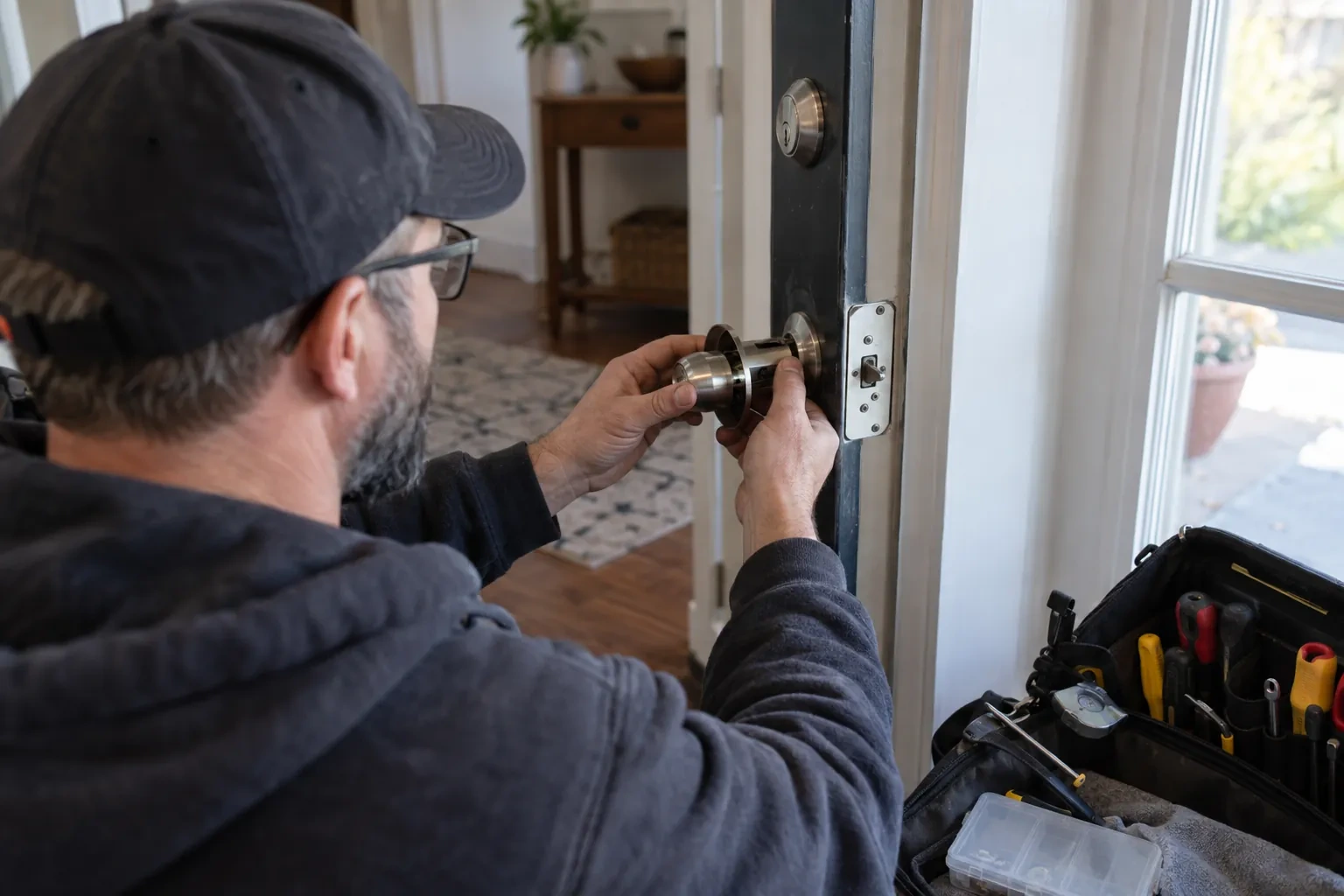
Upgrading to high security rarely means new doors or a big disruption. Many high security cylinders retrofit into the existing deadbolt or lever, so the door preparation stays as it is and only the cylinder and keys change. A heavier deadbolt uses the same bore as the old one in most cases. The strike and hinge screws are swapped for long ones that bite into the framing. The visible difference afterwards is small; the practical difference is that the door resists the tools and tricks that defeat ordinary hardware, and that nobody can copy your key without you knowing.
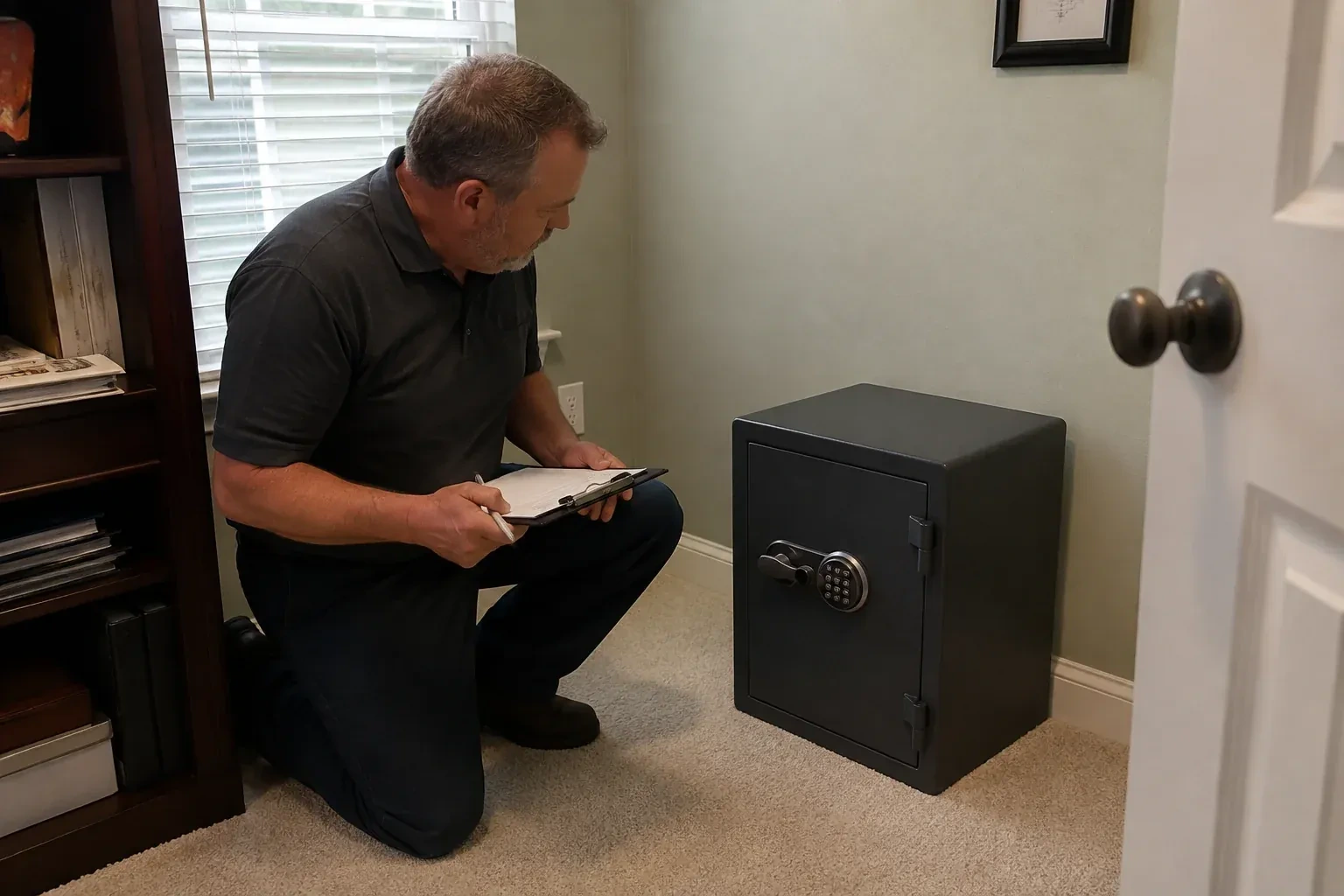
How the visit goesThe pharmacy stockroom, the server closet or the cash office is protected by the same ordinary cylinder as the staff washroom. One lost key on a lanyard would open all of them.
High Security Locks
How the visit goes
Matching the rating to the risk
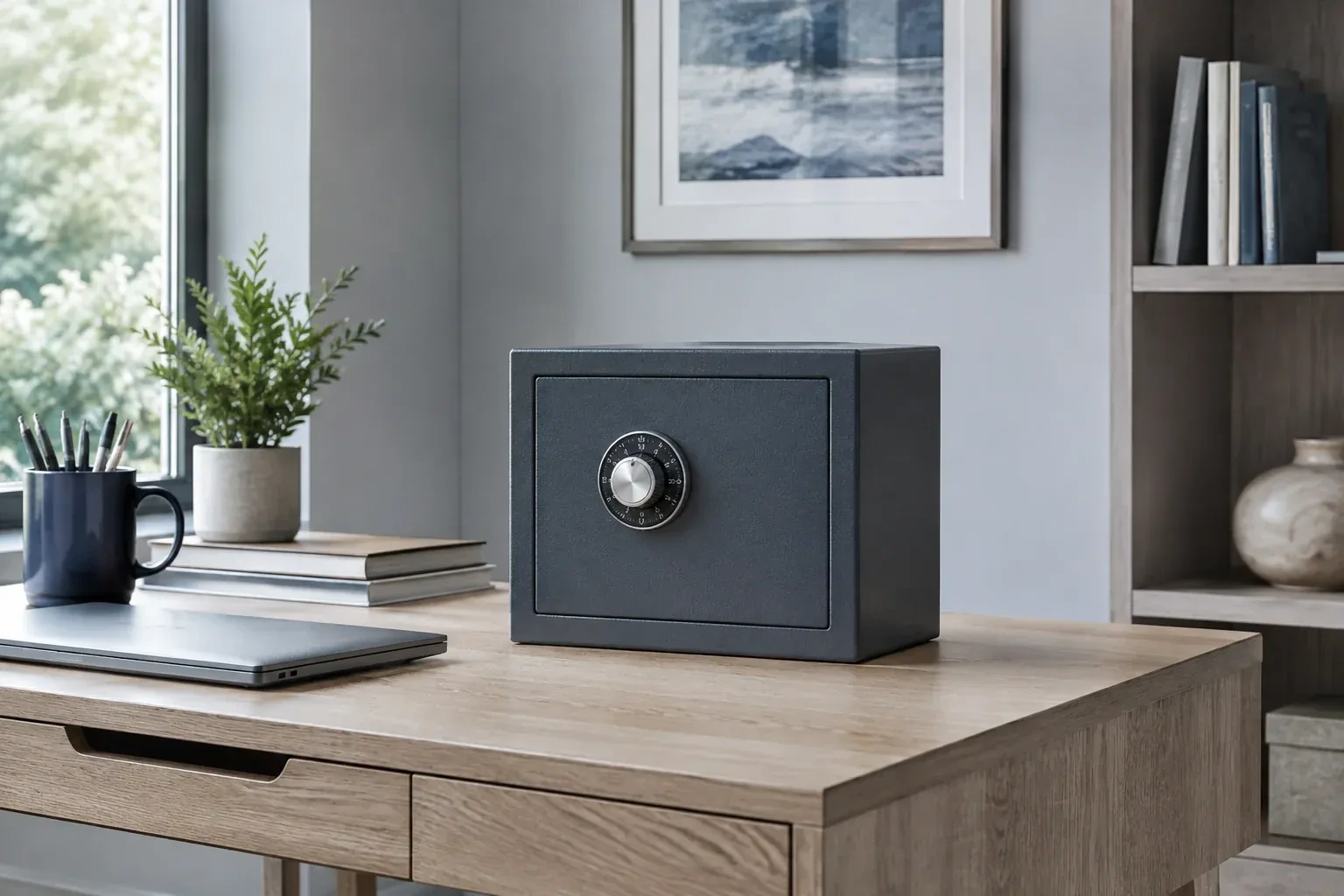
Ratings are only useful if someone explains them. A residential deadbolt carries a hardware grade for security, durability and finish based on hammer blows, pulling force and cycle testing. A high-security cylinder carries a separate laboratory listing based on how many minutes it resists picking, drilling and forcing. The locksmith explains what each figure means in practice for your door and points out the rule that matters most: the whole assembly takes the grade of its weakest part. That conversation ends with a recommendation you understand rather than a part number you have to trust.
Setting up controlled keys
The key system is registered to you before the first key is cut. The locksmith records the system, the authorised signatories and the number of keys issued, and hands you the authorisation card or online validation details. Every key is cut from code rather than copied, because the angled cuts or side milling must be exact for the sidebar to release. Extra keys later are ordered by an authorised person and logged, and blanks are not sold outside the manufacturer's network. This is what makes a key stop being a thing anyone can duplicate at a kiosk.
A known number of keys
The most noticeable change is not in the door but in your head. You know exactly how many keys exist, who holds each one and that nobody can add to that number without your authorisation. The system is registered in your name with the locksmith, so a request for an extra key comes back to you rather than being filled at a counter somewhere. Keep the authorisation card or login details somewhere safe and separate from the keys. When a key is lost, tell the locksmith; the record is updated and you can decide together whether that key's loss warrants any further step.
High Security Locks
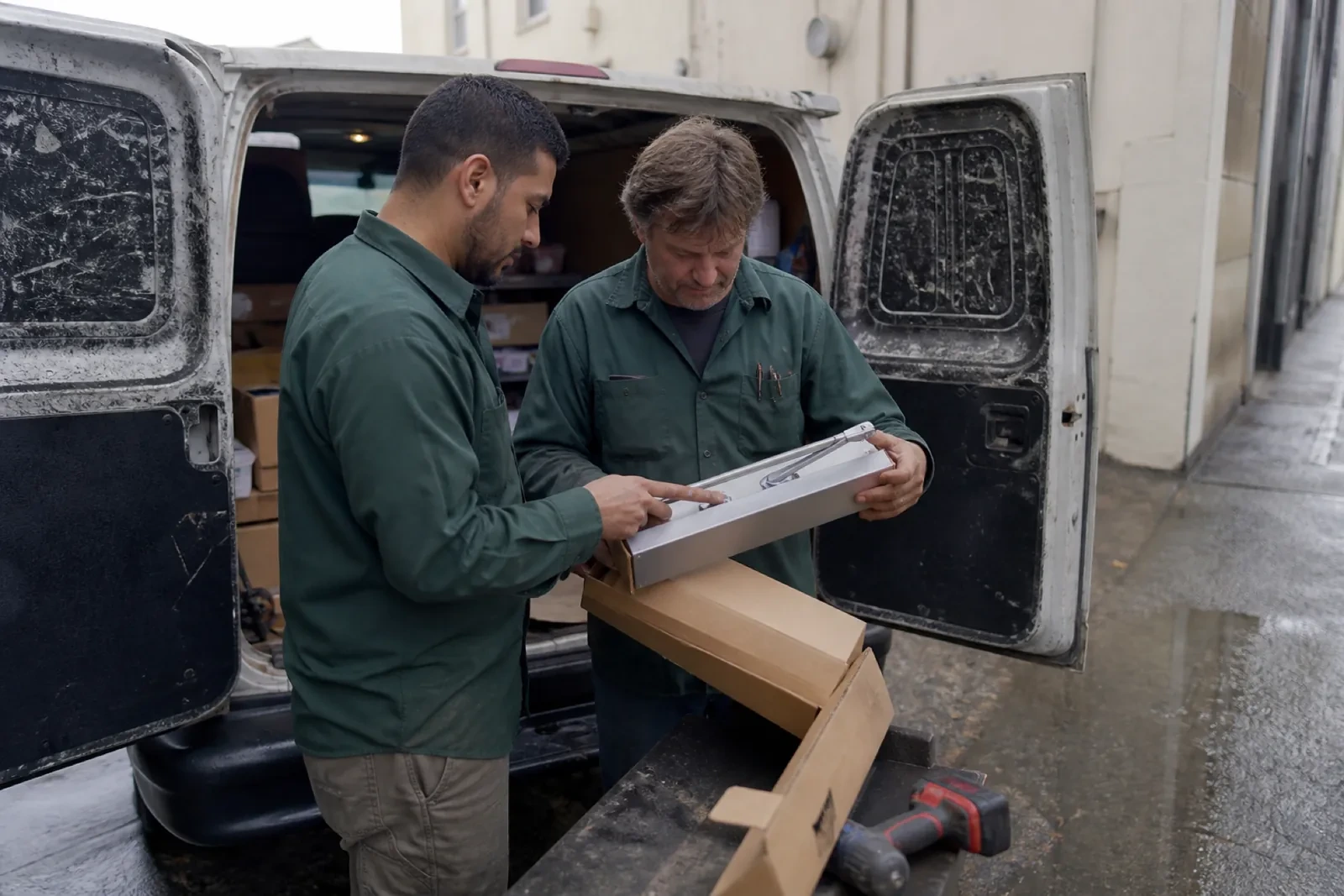
In the van
Three-inch strike and hinge screws
Reinforced strike plate
Graded deadbolt with hardened bolt
High-security cylinder
Key control authorisation card
High Security Locks
What affects the quote
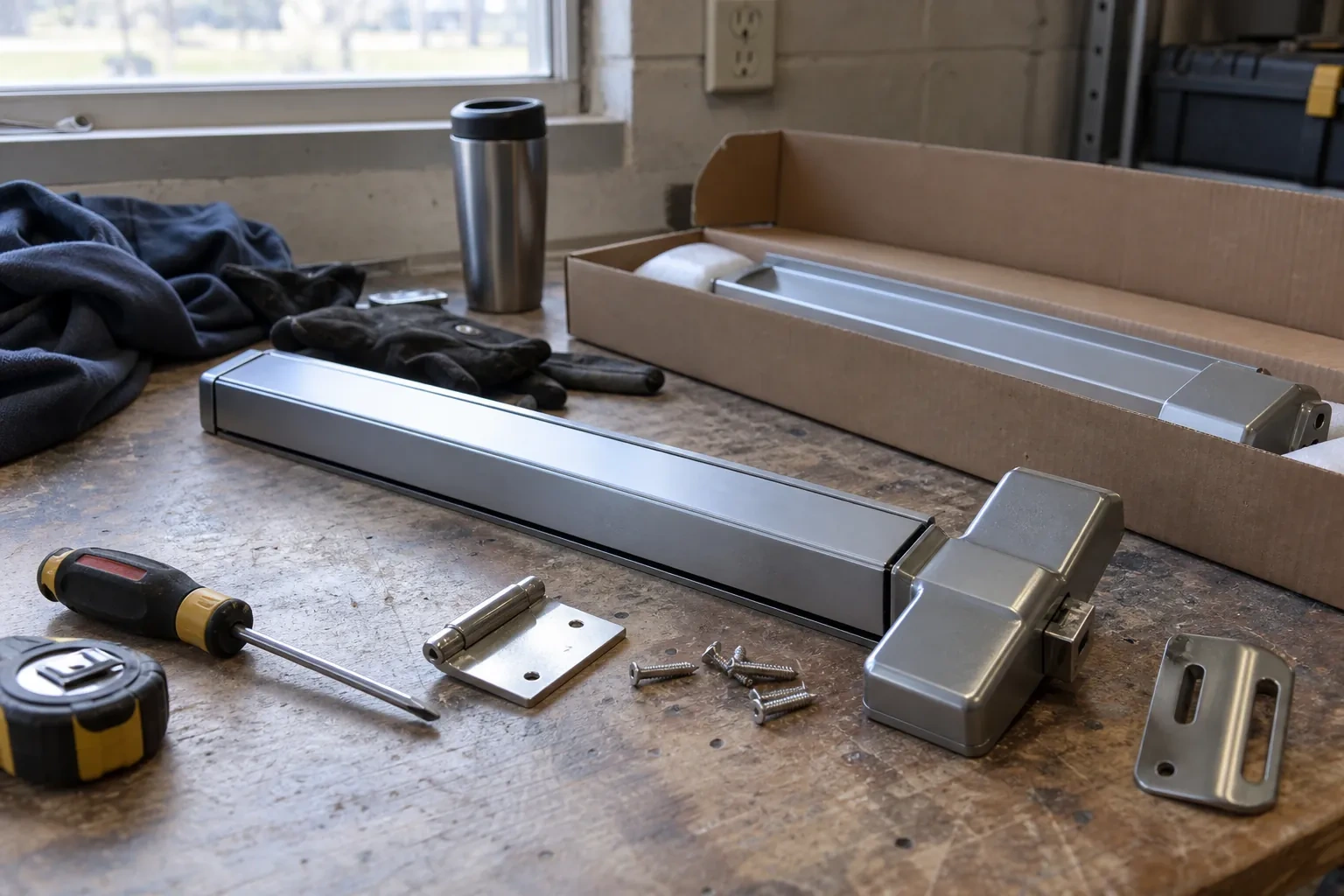
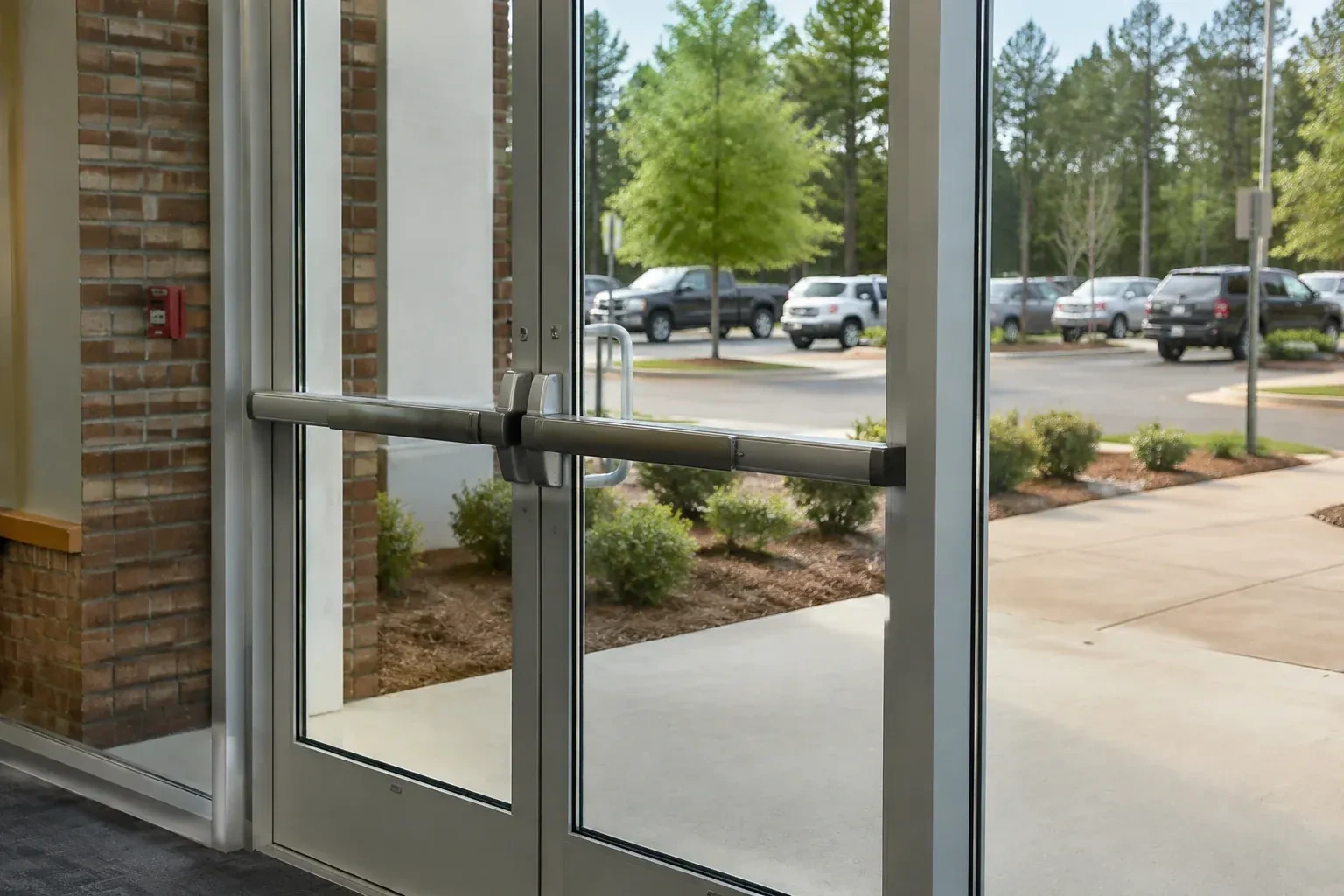
Exit devices and closers on the same door
Where a commercial door carries a push bar or closer, the new lock must work with them, and adjusting or replacing that hardware is part of the same visit.
Distance and access
A rural property, a high-rise with loading dock rules or a site that must be visited outside trading hours affects travel and scheduling, and the quote says so plainly.
Hinge and door edge work
Long hinge screws, a hinge-side security stud or repair to a chewed door edge are small items that add up on a door that has been forced before.
What to have ready
- Is there a window or sidelight within reach of the lock?
- Is the door wood, steel-clad, fibreglass or aluminium with glass?
- Does the door have a closer, push bar, alarm contact or keypad on it already?
High Security Locks: questions
QuestionsWhat happens when the patent on my keys runs out?
The mechanical resistance of the cylinder does not change, but blanks may become openly available, so copy control weakens. Manufacturers issue new patented keyways as older ones expire, and the usual answer is to move to the next generation by changing cylinders and keys while keeping the lock bodies. Your locksmith notes the patent term at handover so the date is on the calendar rather than a surprise years later.
Is a high security cylinder really pick proof?
Nothing is beyond a laboratory with unlimited time, so the honest measure is minutes, not absolutes. Rated cylinders are tested to resist skilled picking and impressioning for a set period, and drilling and forcing for another. In the real world that matters because someone at a door has seconds, not a workbench. The sidebar and false grooves in the pins give a picker nothing reliable to feel, and the hardened inserts stop a bit, which is why these attacks move on to easier doors.
Will the new cylinder fit my existing locks?
Usually. High security cylinders are made in the common formats: key-in-knob and lever, rim, mortise and interchangeable core, and many are designed to drop into popular residential and commercial locks. The locksmith identifies your format and confirms fit before ordering. Where a lock is an odd size or in poor shape, a matching lock body is fitted instead, and the door preparation is reused wherever it is standard.