Change or rekey · Springwater
Lock Rekeying
Your basement tenant has given notice, and a new one arrives on the first.
In plain words
Moving into a home is the moment most people first hear about rekeying, and it is the most sensible time to do it. A resale house has usually passed through owners, real estate agents, home inspectors, cleaners and trades, each of whom may have held a key at some point. Rekeying every exterior cylinder on move-in day means the only keys that work are the ones cut for you, and the same visit is a chance to put every door on one key so the coffee tin of mystery keys can go in the recycling.
How the visit goesYour basement tenant has given notice, and a new one arrives on the first. The lock on the separate entrance works perfectly well. You simply want a fresh key for the incoming tenant and for the old one to be retired.
Inside the lock
What a rekey changes
01
The lock you already have
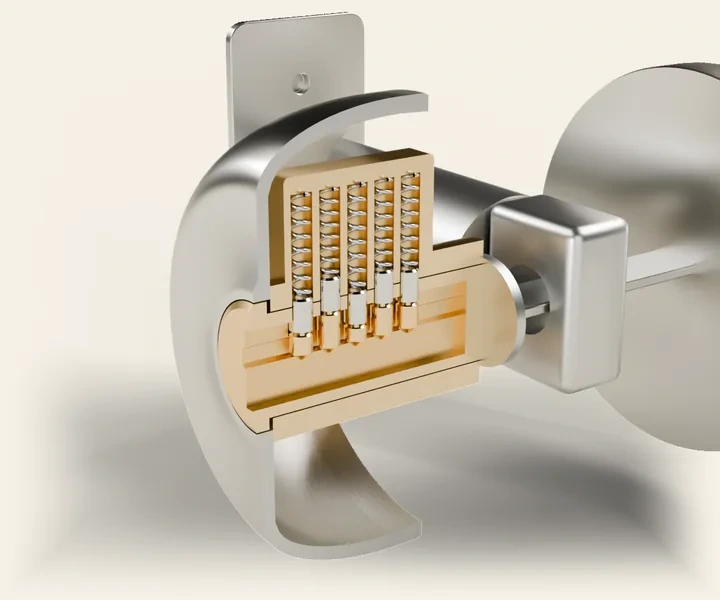
02
Inside the cylinder
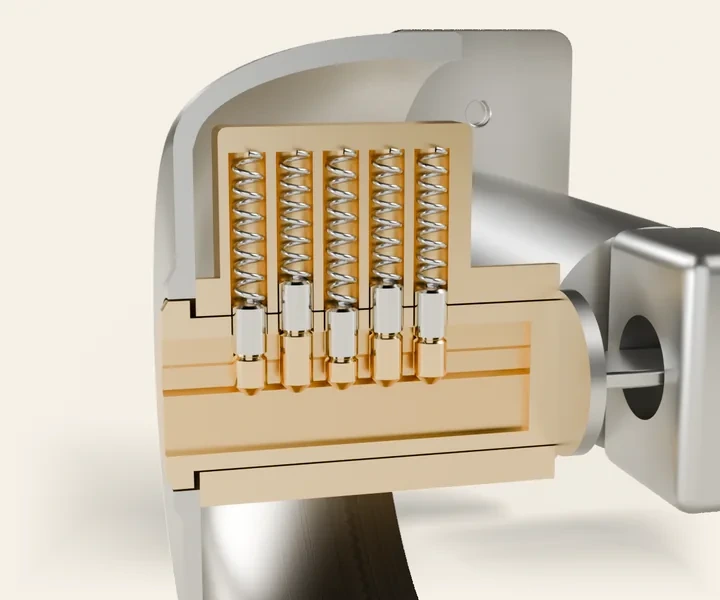
03
Pins, springs and the shear line
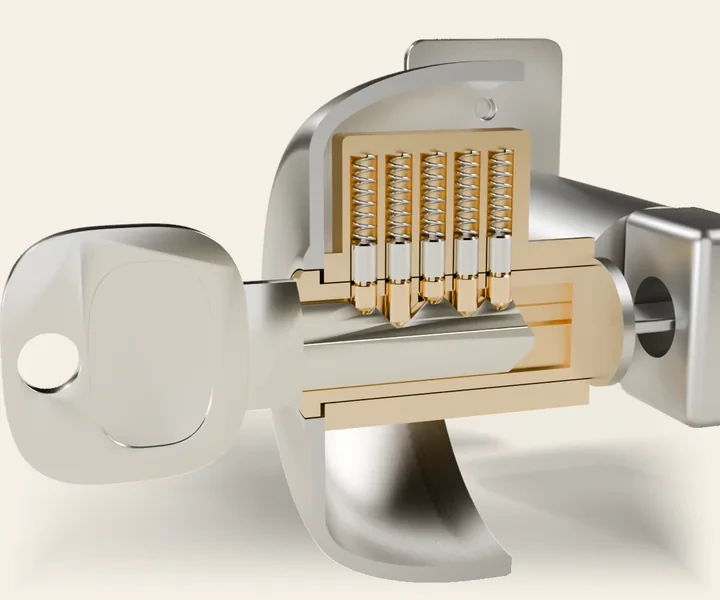
04
A new key, new pins
Lock Rekeying
How the visit goes
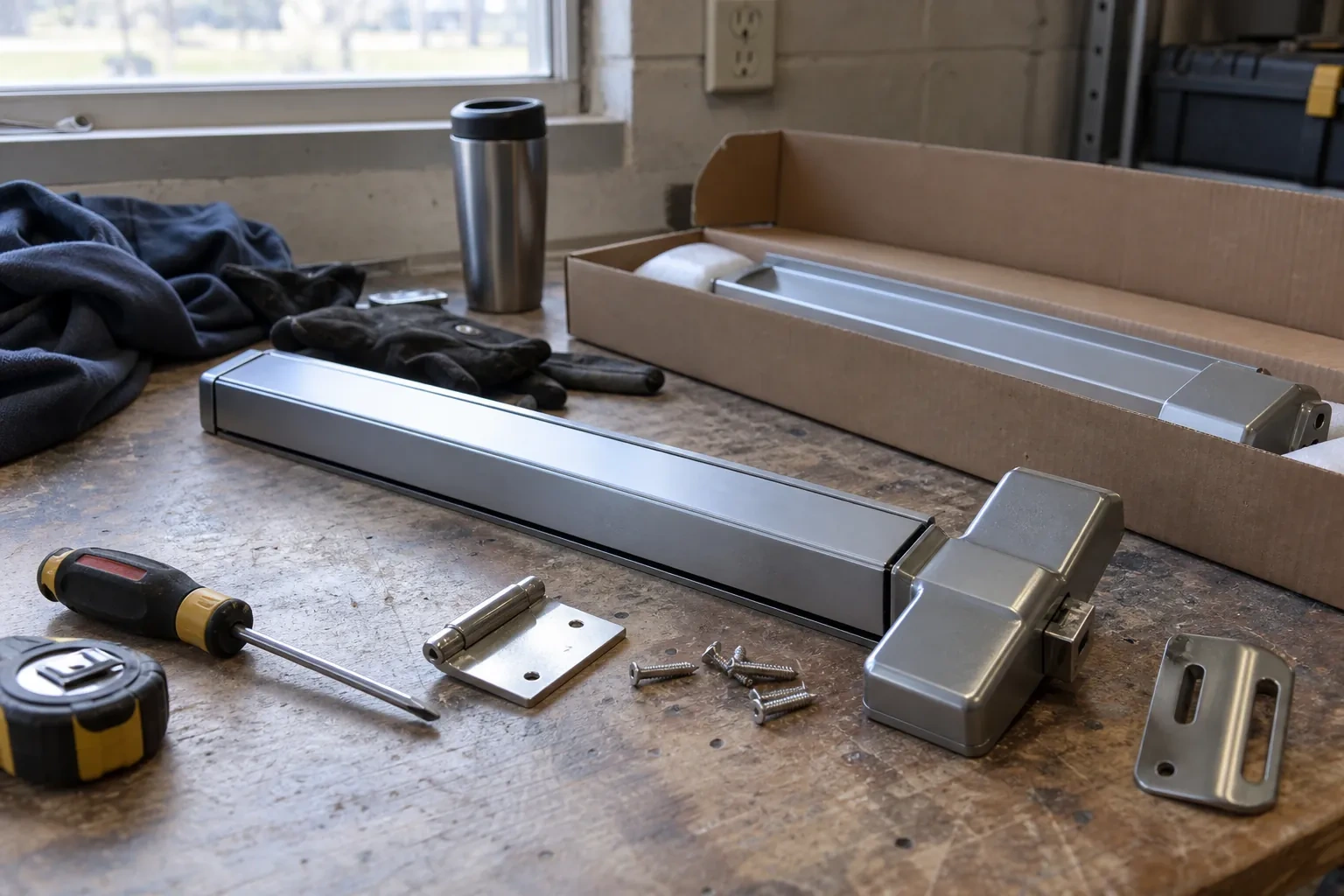
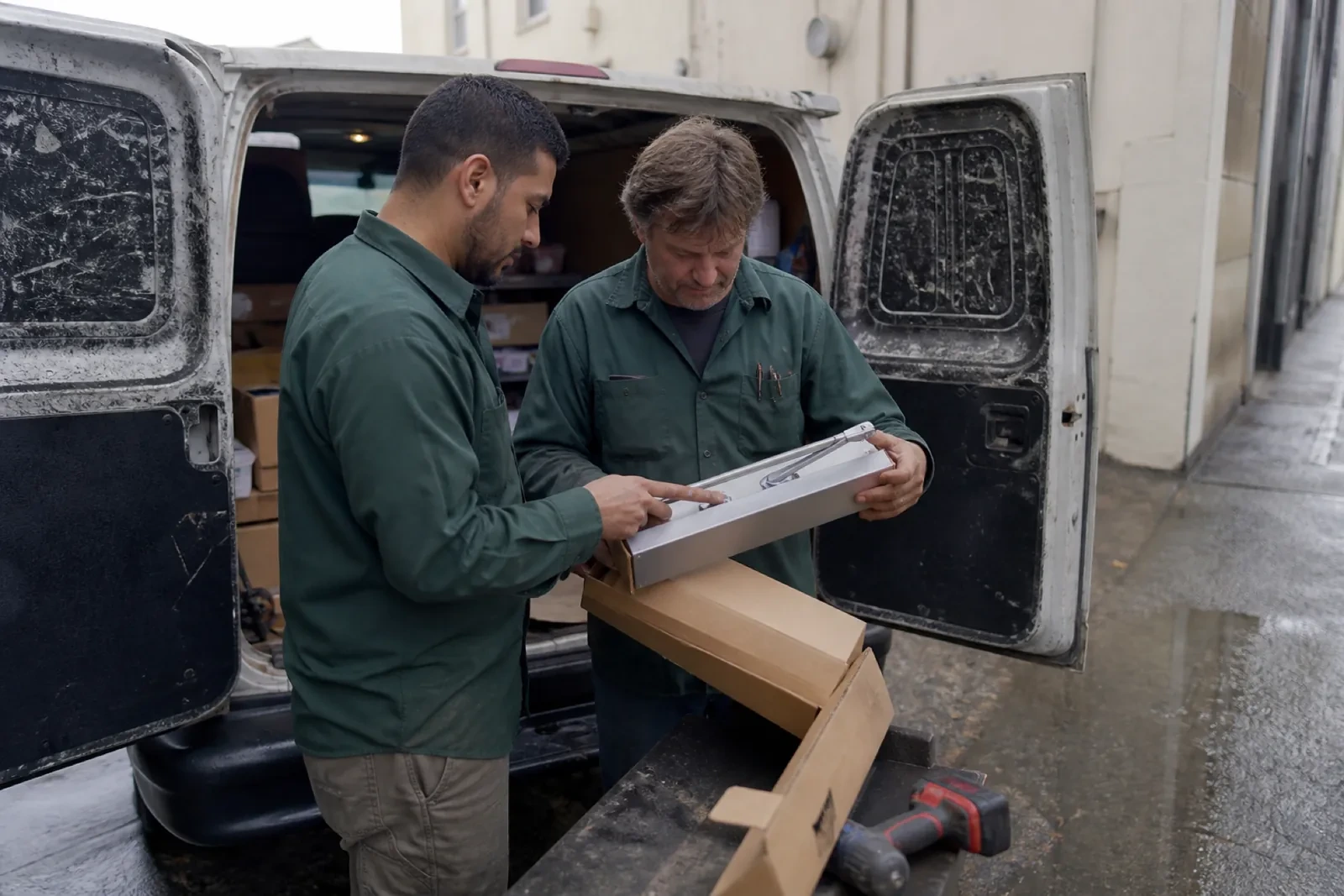
The condition of every cylinder
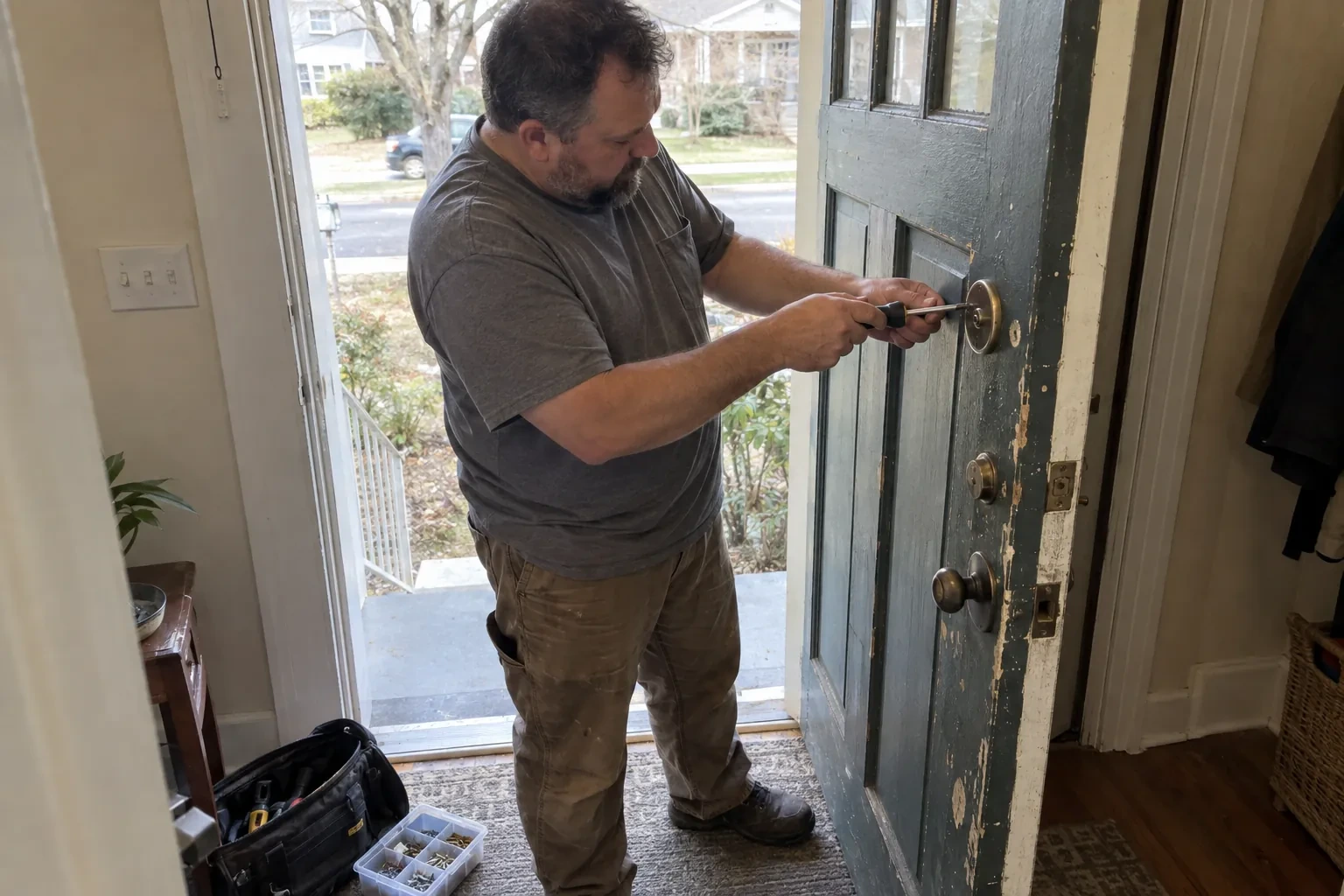
A cylinder about to be pinned to a new key should be worth pinning. The locksmith turns the existing key in each lock and feels for a plug that drags, soft springs, a wobbling cam or a keyway packed with grit and old oil. A cylinder in good order is rekeyed as it is. A worn one is cleaned and given fresh springs while it is apart, and one that has truly worn out is pointed out so you can choose a replacement rather than have new pins dropped into a tired lock. A bolt that binds against its strike gets noticed here too, so the strike can be adjusted while the locksmith is at the door.
When a cylinder is swapped instead of repinned
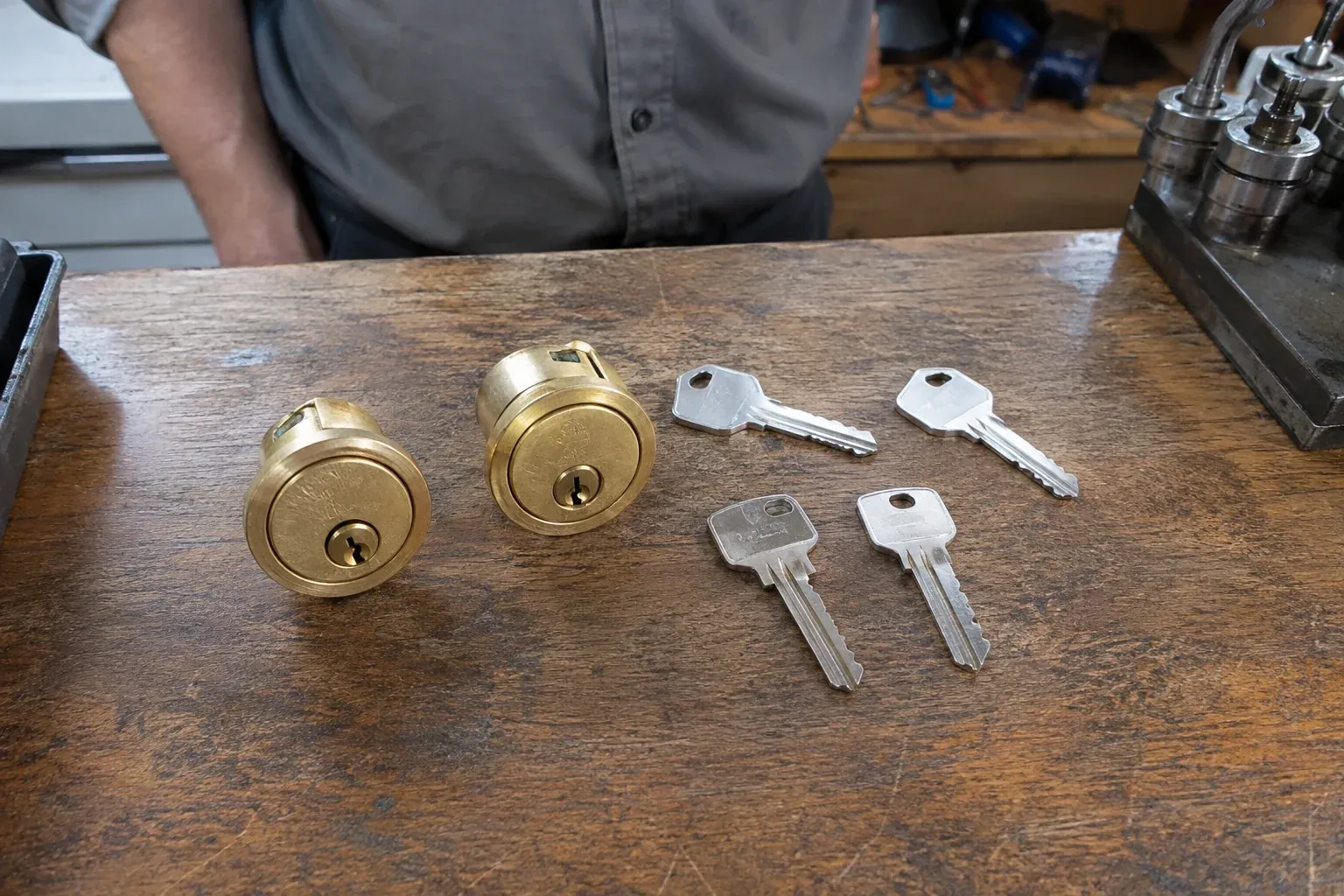
Sometimes the right move for a particular door is a new cylinder rather than new pins, and the locksmith says so before doing it. A cylinder with a keyway that cannot join the household key is replaced with one that can. A plug that has worn oval, springs that have collapsed, or a cylinder someone has already drilled is replaced because fresh pins would not fix its feel. In each case the replacement is pinned to the same new key as the rest of the house, so the swap is invisible in daily use. The old cylinder is handed to you or taken away as you prefer.
Handing keys out with a little method
Rekeying gives you a clean start on who holds a key, and a few habits keep it clean. Give a key only to people who need one regularly, and know who they are. If a dog walker, a cleaner or a contractor needs access for a season, a lockbox with a code you can change afterwards is simpler than a key you have to ask for back. Tag spares with a colour or a number rather than the address. When a key does leave your control, a lost ring, a departing tenant, a relationship that has ended, that is the trigger to rekey again, and the next visit is simpler because the doors are already on one system.
Lock Rekeying
In the van
Replacement cylinder for odd keyways
Pinning tweezers and tray
Key tags and keying record
Key blanks
Key gauge
Lock Rekeying
What affects the quote
Upgrades chosen during the visit
Some people take the opportunity to replace a double-cylinder deadbolt with a thumb-turn model, add a reinforced strike or move to a heavier deadbolt. None of it is needed to rekey; each is a separate line.
Restricted or high-security cylinders
Patented keyways use controlled blanks and pins that cost more than standard ones, and their keys are produced from a controlled record instead of being copied, so a system of that kind is quoted differently from builder-grade hardware.
Number of keys cut
Keys are cut and tested individually, so the total depends on how many the household or the tenants need. Say the number when you book and the quote reflects it from the start.
What to have ready
- Do you know the age of the locks or whether any is a restricted type?
- Would you like every door on one key, or should some doors stay separate?
- Do you have a working key for every lock, or is there a door with no key at all?
Lock Rekeying: questions
QuestionsWill I need to prove I own or rent the home?
Yes, and it is a welcome part of the job. Rekeying decides who can enter, so the locksmith confirms the person asking has the standing to make that decision. For an owner that means photo identification alongside a document that links them to the property, for instance a property tax notice or the closing statement. A manager brings the owner's written authorization. A tenant mentions that the landlord has agreed and will be given a key, since tenancy rules here expect both to hold one.
Should I rekey when I move into a new home?
It is the single most common reason to rekey, and a sensible one. A resale home has typically passed through owners, agents, inspectors, cleaners and trades, any of whom may have had a key cut. A newly built home has been opened by construction crews using a builder's key. Rekeying on move-in means the only working keys are yours, and the same visit can bring every exterior door onto a single key, retiring the assorted keys you inherited.
How long does a rekeying visit take?
It scales with the number of cylinders and how many need attention beyond pinning. A single deadbolt is a short bench job; a whole house with five or six exterior cylinders, a couple of swaps for mismatched keyways and a set of spares to cut and test takes a good deal longer. Tell the locksmith how many doors you want included when you book, and the visit can be planned realistically rather than guessed at.
Related services
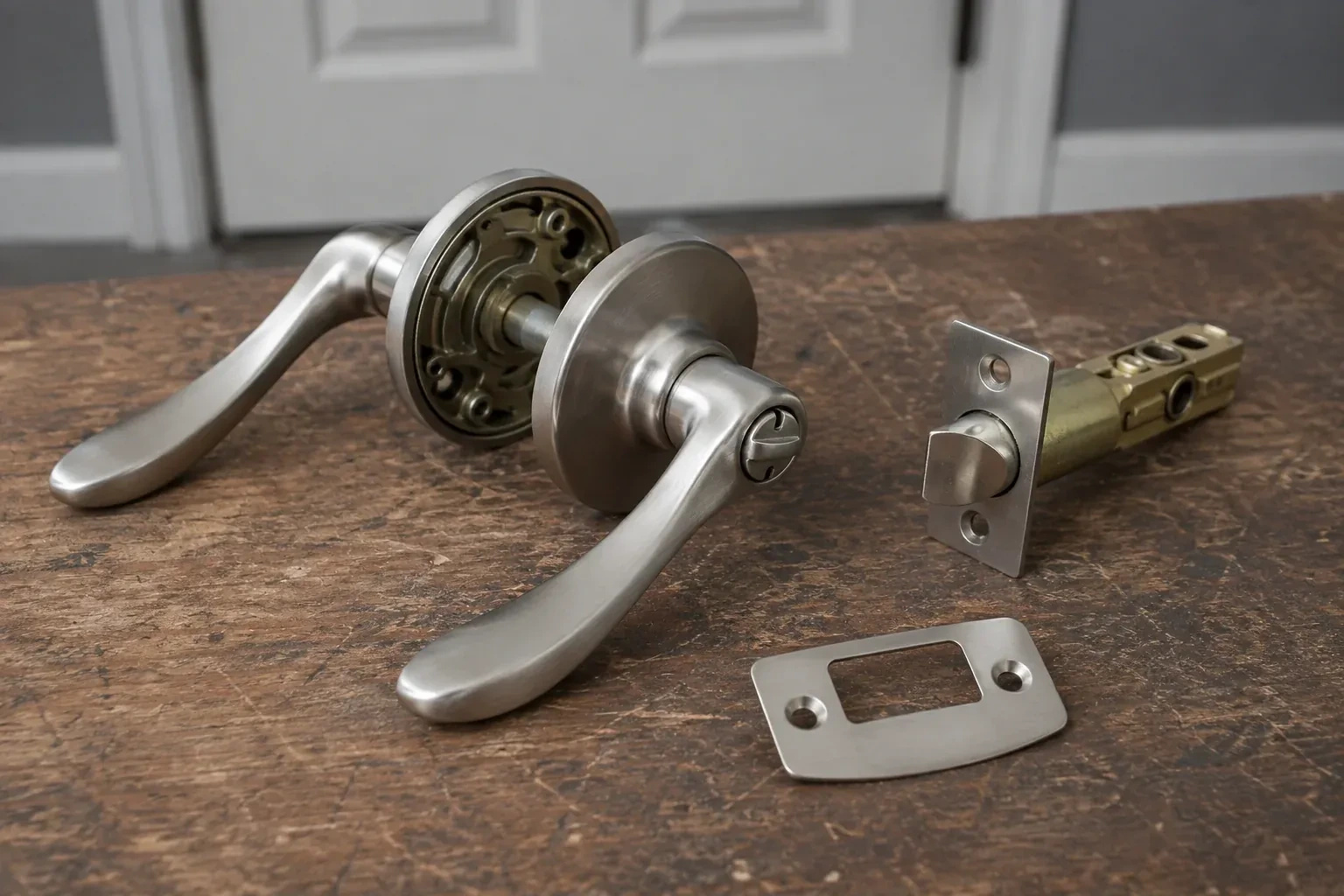
- Lock Replacement & UpgradeThe keys the seller handed over came in a sandwich bag: six unlabelled copies for two locks of different makes from different decades.
- Vintage Mortise Lock ServiceYou bought a house with its original hardware and a bag of loose keys.
- Smart Lock InstallationThe rental turns over every few months and each time you drive across town to swap keys, then wonder whether copies were made.