Locksmith in Midhurst, OntarioSticking lock?Worn key? Sorted.
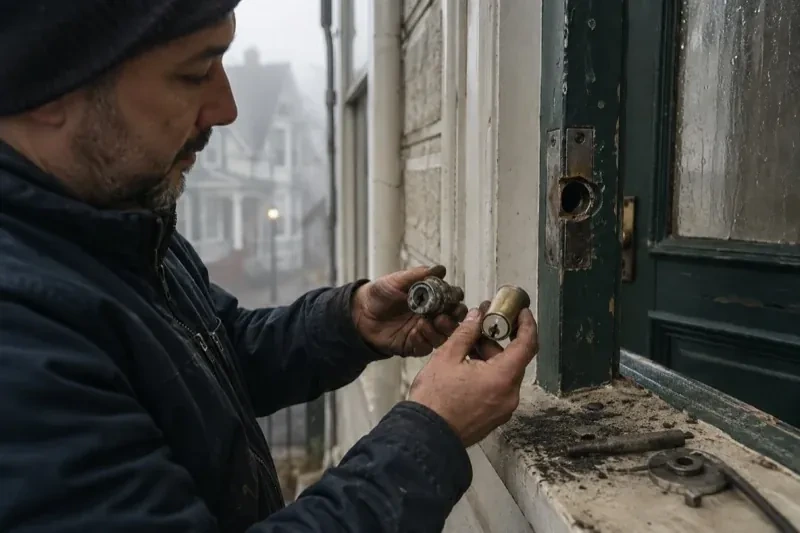
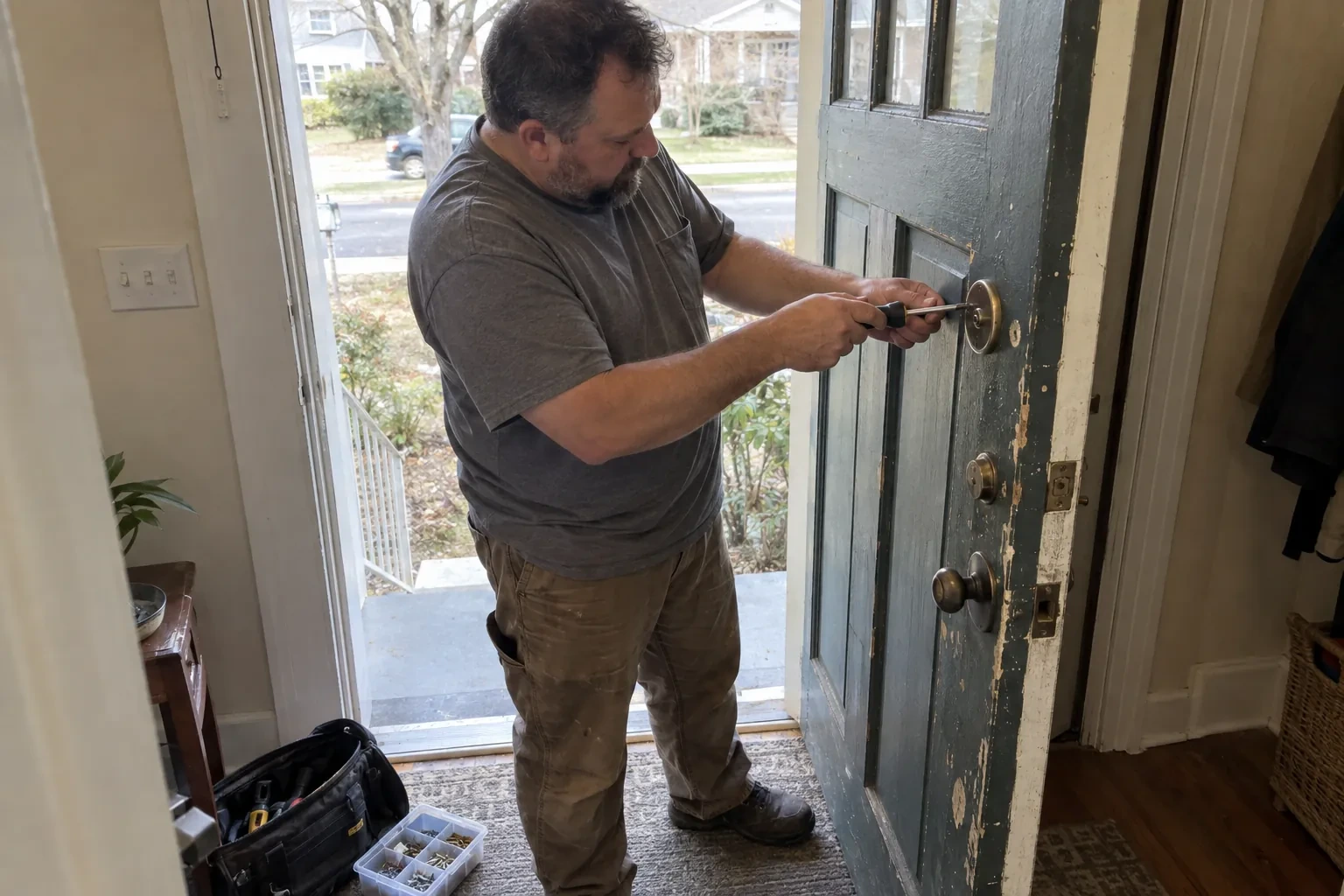
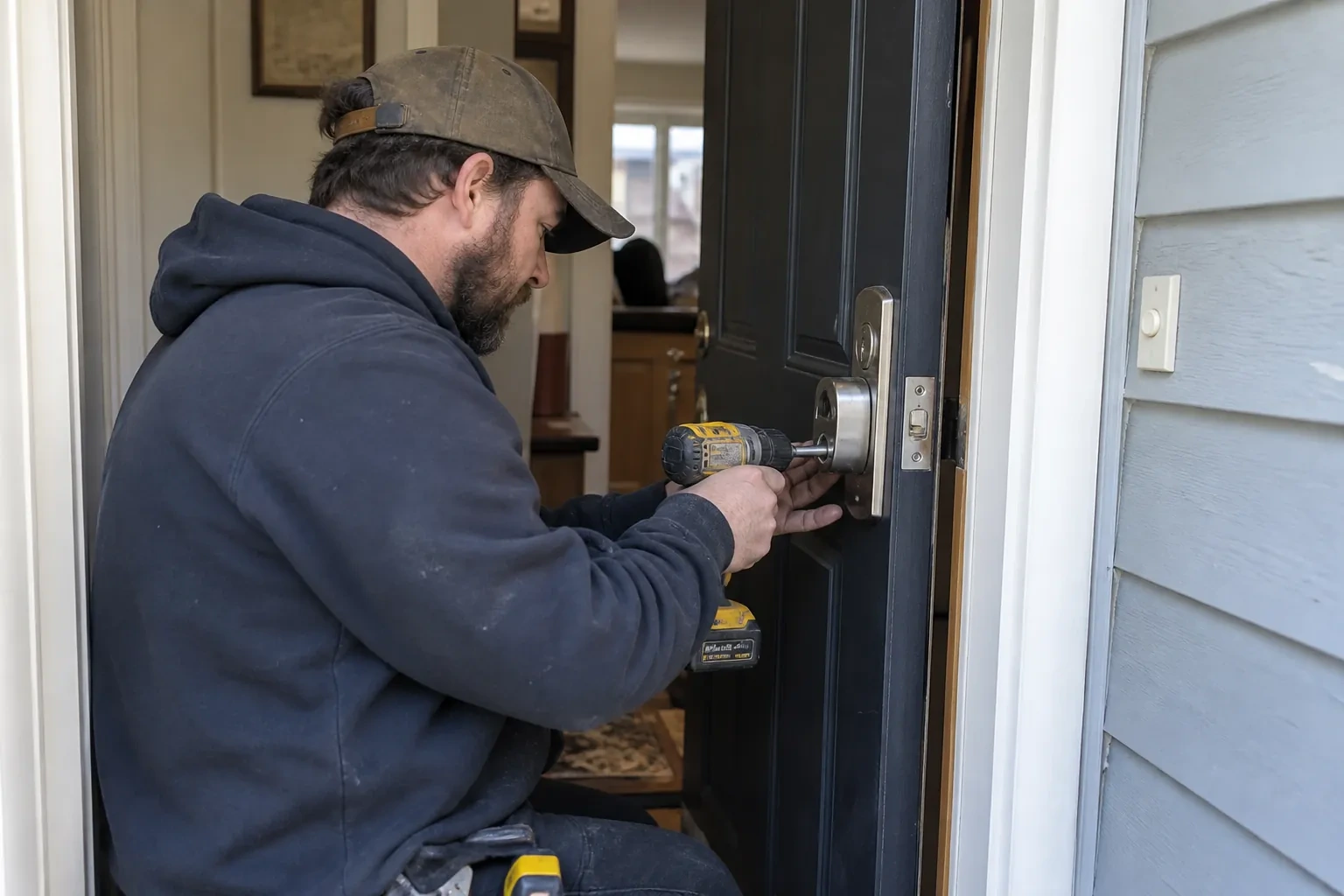
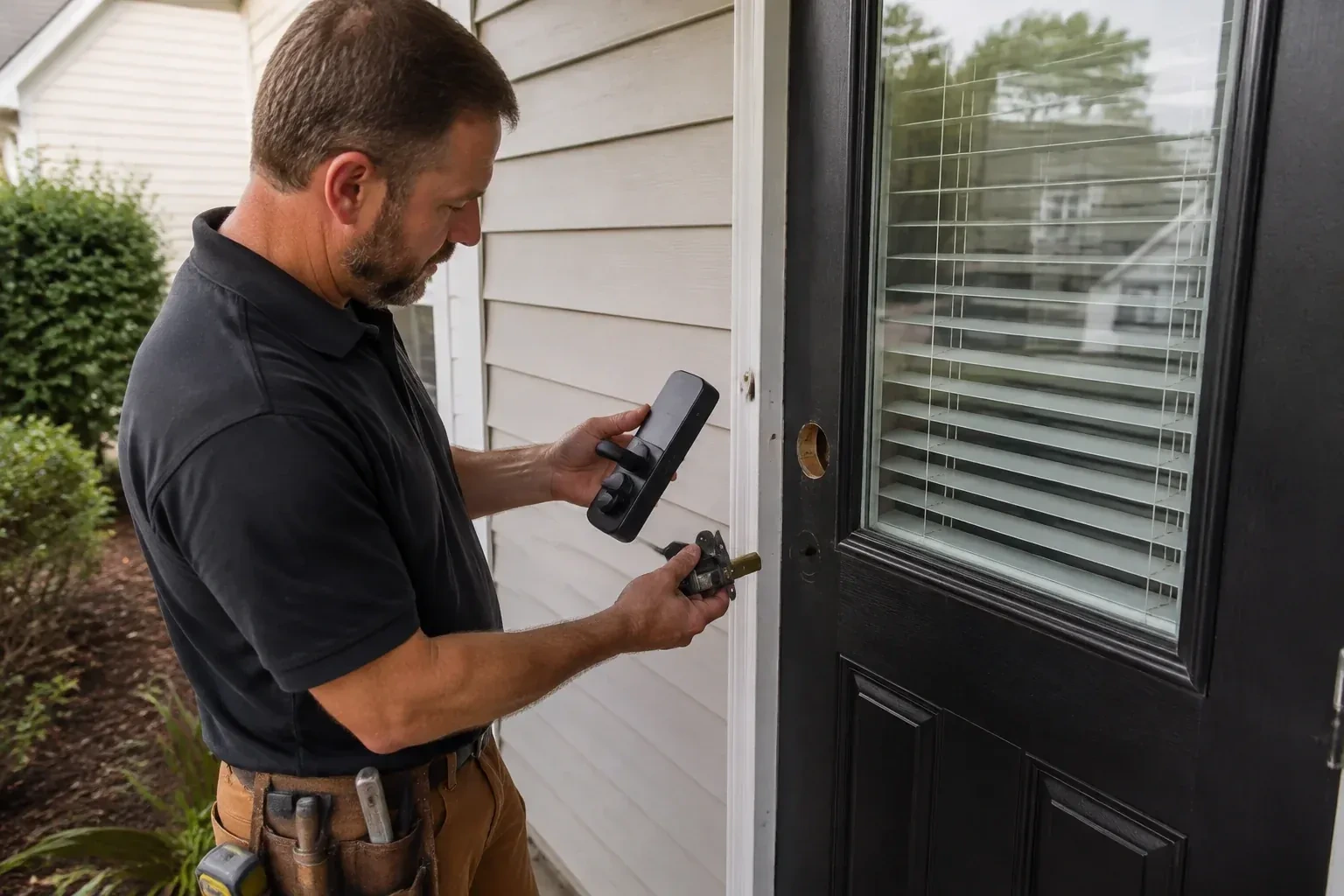
A key that needs jiggling, a bolt that only throws when you lift the handle, a cylinder that spins loose in the door. These are small annoyances in Midhurst homes that become lockouts if ignored. We tune, rebuild or swap the part at fault and leave the door working like it did when it was new. The same crew covers Midhurst Station.
A key that needs jiggling, a bolt that only throws when you lift the handle, a cylinder that spins loose in the door. These are small annoyances in Midhurst homes that become lockouts if ignored. We tune, rebuild or swap the part at fault and leave the door working like it did when it was new. The same crew covers Midhurst Station.
Plain talk, tidy work.
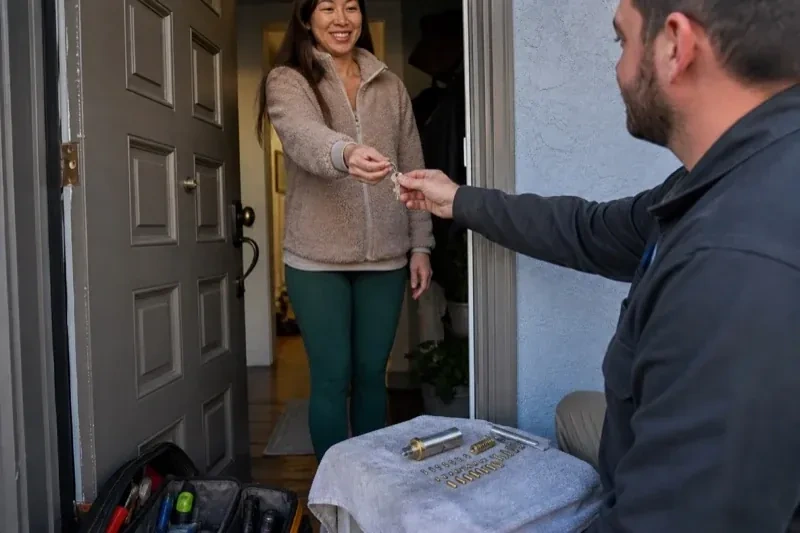
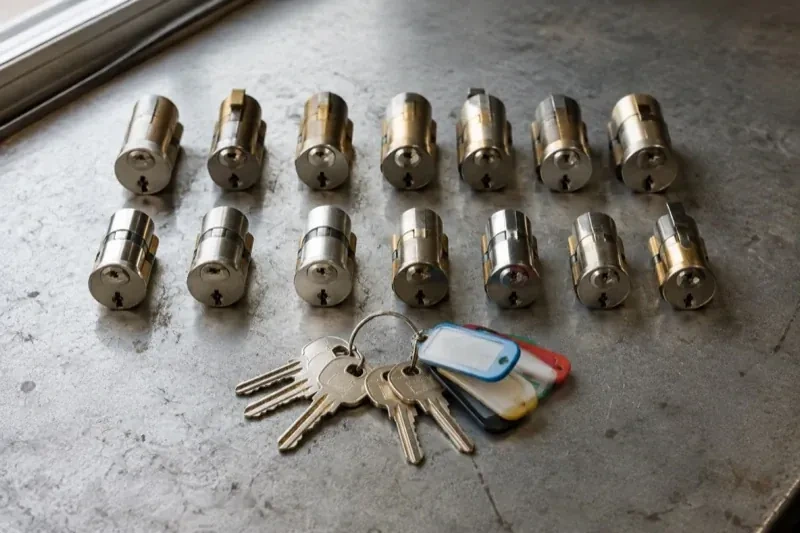
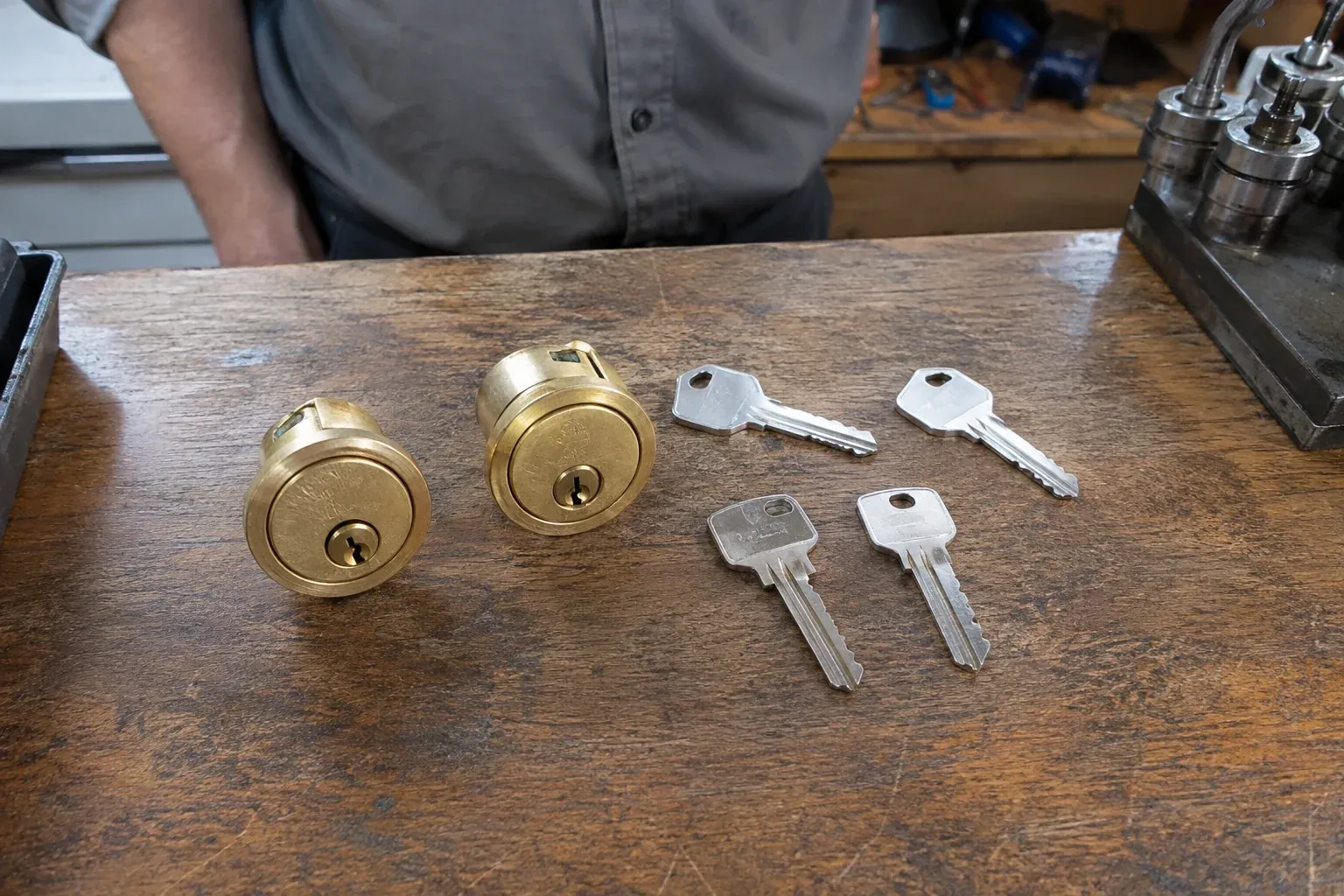
Every key we cut in Midhurst is tested in the lock it belongs to before we leave. It sounds obvious, but a key that works on the bench and sticks in the door is a common complaint about lock work. We turn each one, from both sides where the door allows, and adjust the cut or the cylinder until every key slides in and turns cleanly.
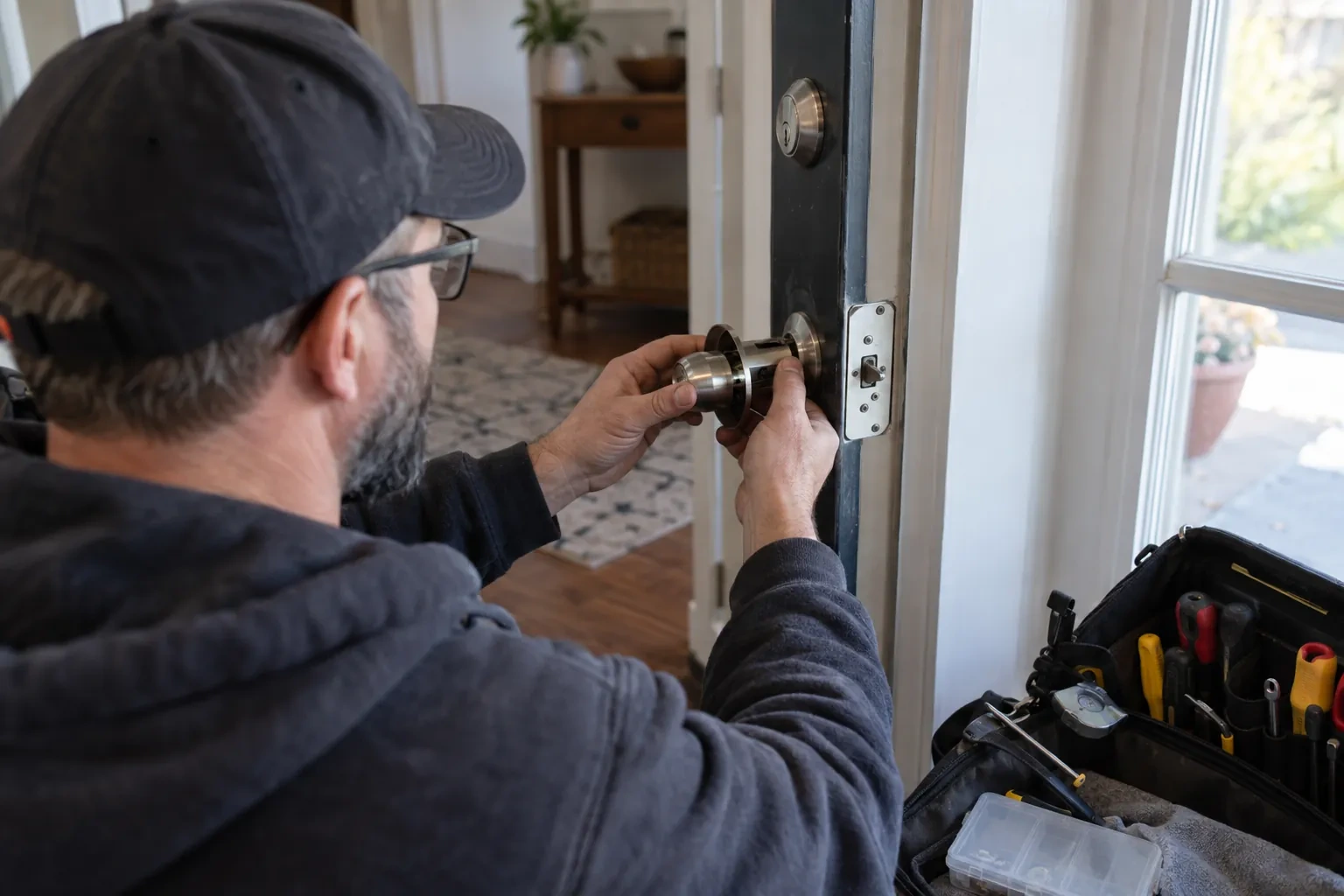
Moving into Midhurst? Rekeying is the simplest way to be sure that only your keys work. We change the pins in each exterior lock, cut a fresh set and check that every door closes and latches properly while we are there. It is a short visit that removes a long list of unknowns about who else might have had a copy.
11years in business
24/7open every day
Plain words. We talk about pins, cylinders and strikes only when it helps you understand. Otherwise it is 'this is why the door sticks and here is what fixes it'.
Respect for your door. We treat an old wooden door or a new steel one as yours, not as a project. Non-destructive methods come first, and we ask before drilling anything.
Knowing what you are left with. Before we leave, you will know exactly what changed, how many keys exist and what to keep an eye on. Nothing is left as a mystery.
For people in Midhurst who like to know before they call: these pages describe each lock service in detail, from the routine rekey to the less common safe opening or master key design. They explain the steps, the parts involved and the decisions you may be asked to make on the day.
About 38% of homes in Springwater were built in 1980 or earlier, according to the 2021 Census.
In an area where homes span several eras, one street may have original mortise locks and the next builder-grade cylinders. A locksmith working here carries parts for both, so whichever door he meets, the job finishes in one visit.
Single-detached houses make up about 93% of homes in Springwater (2021 Census).
Mostly houses
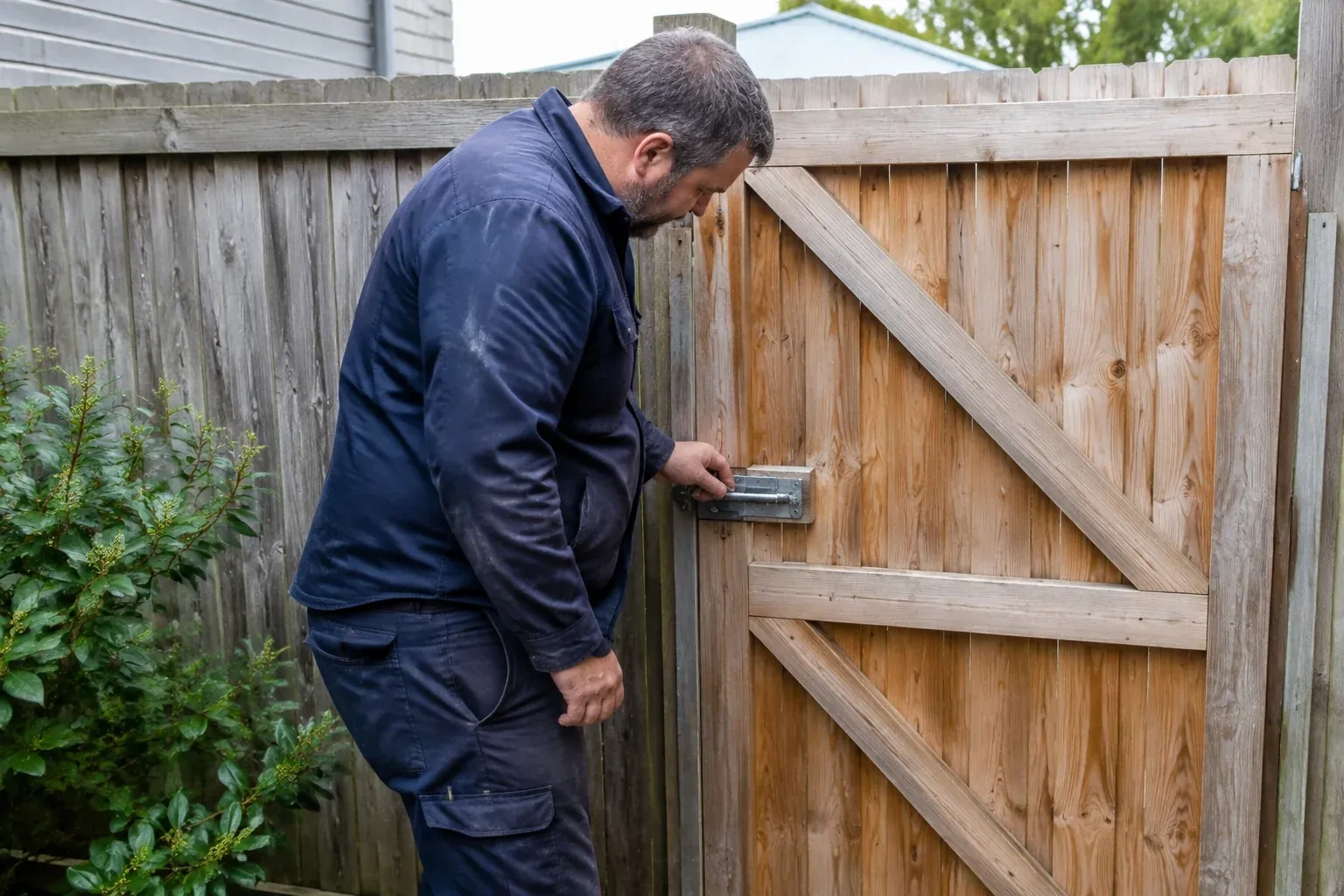
Detached houses have their own garages, sheds and gates, and each tends to carry a lock chosen on the day it was needed. A locksmith visiting such a home looks at all of them, not just the front door, and brings the whole property up to one standard.
A pick-resistant cylinder in a hollow door with a two-screw strike is a locked padlock on a paper bag. We start with the door and frame, because putting the effort there first is what makes the cylinder upgrade worthwhile.
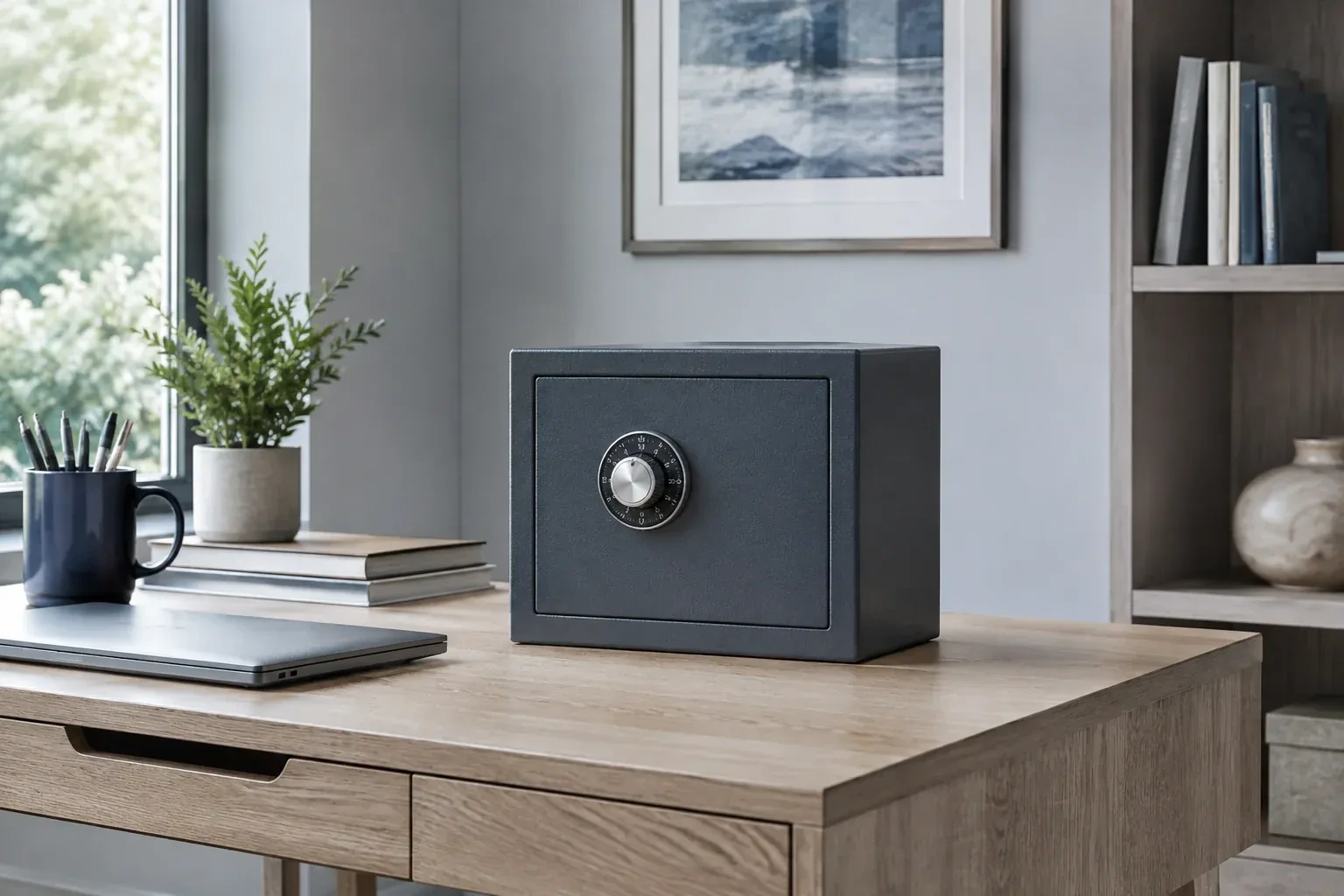
The bookkeeper who set the office safe's code retired in a hurry, and the float cash for tomorrow's registers is sitting behind a keypad nobody else in the building can operate.
A dinner service ends with a stack of bills and a handful of credit slips, and right now they sit in an unlocked cash box on a shelf until morning, because nobody has gotten around to anything sturdier.
Which fix fits?
The key went in like any other morning, you turned it, and something gave with a small metallic click.
WhyMany commercial properties end up with keys copied from other keys over years of staff changes, until nobody can say with confidence what a given key actually opens.
Something went missing from the storeroom over a weekend, and when you ask who was in the building, the honest answer is anyone with a key.
WhyAccess control installation swaps a shared metal key for an electronic one: a card, a fob, a code, or a phone tap that a controller checks against a list the business manages.
It is a cold morning and the fob has to be pressed twice, sometimes three times, before the doors respond, and one week later it stops answering entirely.
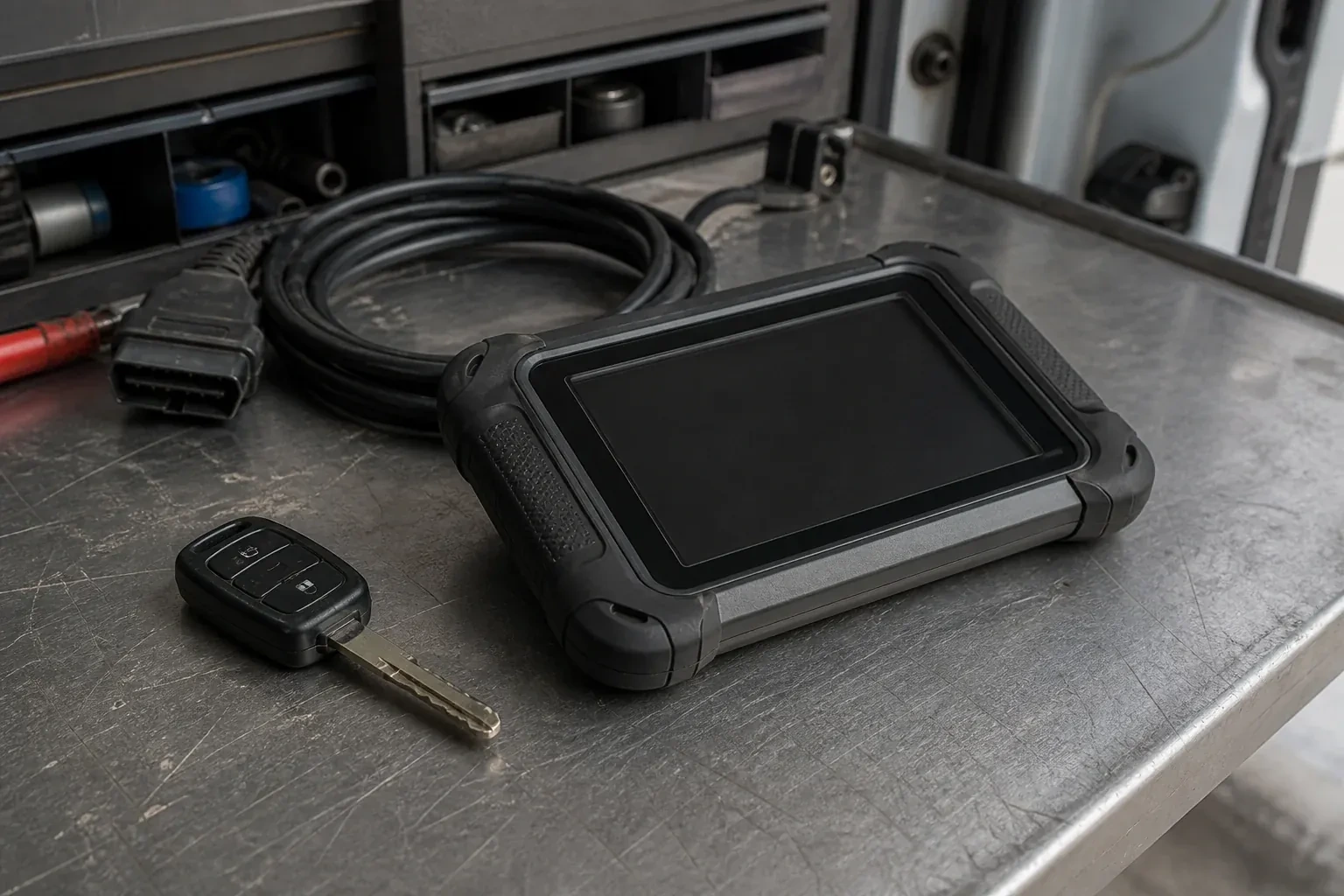
WhyTransponder-based immobilizers became mandatory equipment on new vehicles sold across the country from September 2007 onward, though many manufacturers had already been fitting them for years before that date.
The car arrived with one worn-looking key and a story about a lost spare.
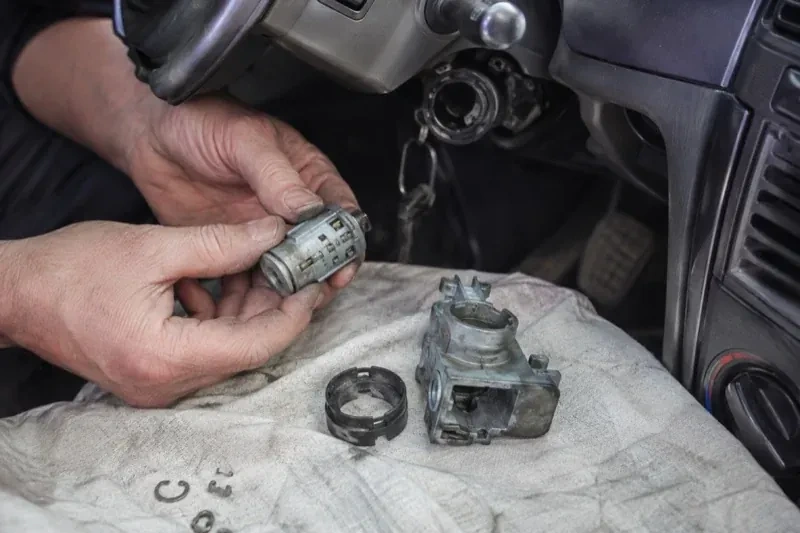
WhyWhether the key won't insert, won't turn, turns without engaging anything, or is stuck and refuses to come back out, each version of the symptom points toward a different part of the mechanism.
How a visit goes
Describe the property, the hardware and what has changed, and the visit starts from what you have seen.
1
2
3
01
A short conversation first
You tell us what is happening with the door, who has keys and what you would like to be different afterwards. We ask a few questions so we arrive with the right parts.
02
A proper look at the door
We check how the door hangs, how the latch meets the strike and what the cylinder is doing before deciding anything. Then we explain what we found in plain words.
03
The work, then a walkthrough
We do the job we agreed, test every key and every position of the lock, tidy up and show you how it works before we leave.
Good days. Start with a turn.
1/9Broken Key Extraction
The key went in like any other morning, you turned it, and something gave with a small metallic click. The bow is still between your fingers. The rest of the blade is sitting inside the deadbolt, and the door is locked.
The lock works, but only if you lean on the door with your hip while turning the key. After a week of humid weather the bolt is jammed against the strike plate, and without that push the key stops halfway.
You were shovelling the driveway after dark and the ring must have slid out of your coat pocket somewhere under a metre of snow. You have raked the whole bank with a flashlight. It will turn up in April, and you would rather not wait.
You moved in three weeks ago. The previous owner left a handful of keys, none labelled, and the bolt on the side door rattles in its housing. You would like every exterior door to bolt, and to know exactly who can open it.
You run a home office with client files and equipment, and your insurer has asked what kind of lock is on the door. The honest answer is the builder's knob lock and a light deadbolt from when the house was new.
The new wing was built with its own brand of cylinder, so the two-year-old keys from the original building do not open a single door in the addition. Staff are now carrying two separate key rings just to move around one workplace.
Something went missing from the storeroom over a weekend, and when you ask who was in the building, the honest answer is anyone with a key. There is no list, no time stamp, no way to narrow it down.
It is a cold morning and the fob has to be pressed twice, sometimes three times, before the doors respond, and one week later it stops answering entirely. The metal key still turns the lock by hand, but the dashboard security light stays lit through the whole drive.
The car arrived with one worn-looking key and a story about a lost spare. It turns the ignition, eventually, after some patience and a particular angle nobody in the household can quite describe or repeat on the first try.
Can you extract a key from a padlock, mailbox or filing cabinet?
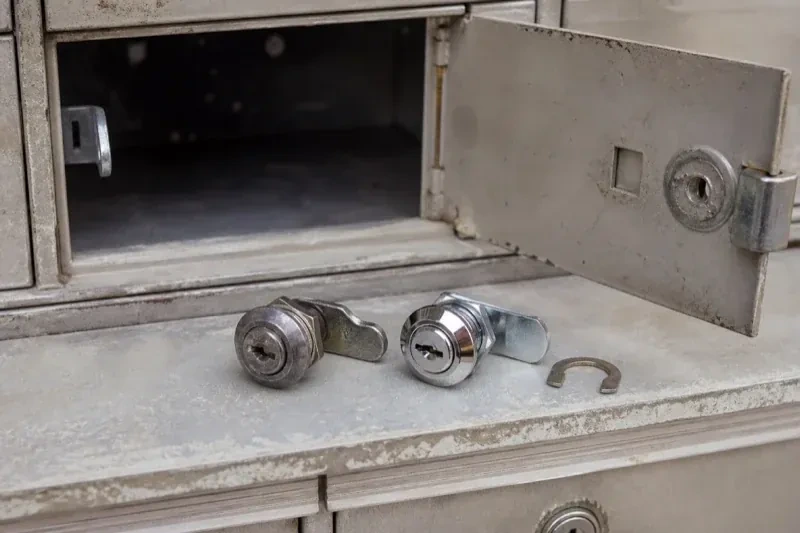
Yes. Small cylinders in padlocks, mailboxes, desk drawers, filing cabinets and cam locks on lockers hold a fragment the same way a door does, and the same slim hooks and spirals fit them. Their keyways are narrower, so it is finer work. Where a padlock is not worth saving, the locksmith will say so and offer a cut-off and a new padlock keyed to your preference instead.
Can an old mortise lock in a century home be serviced rather than replaced?
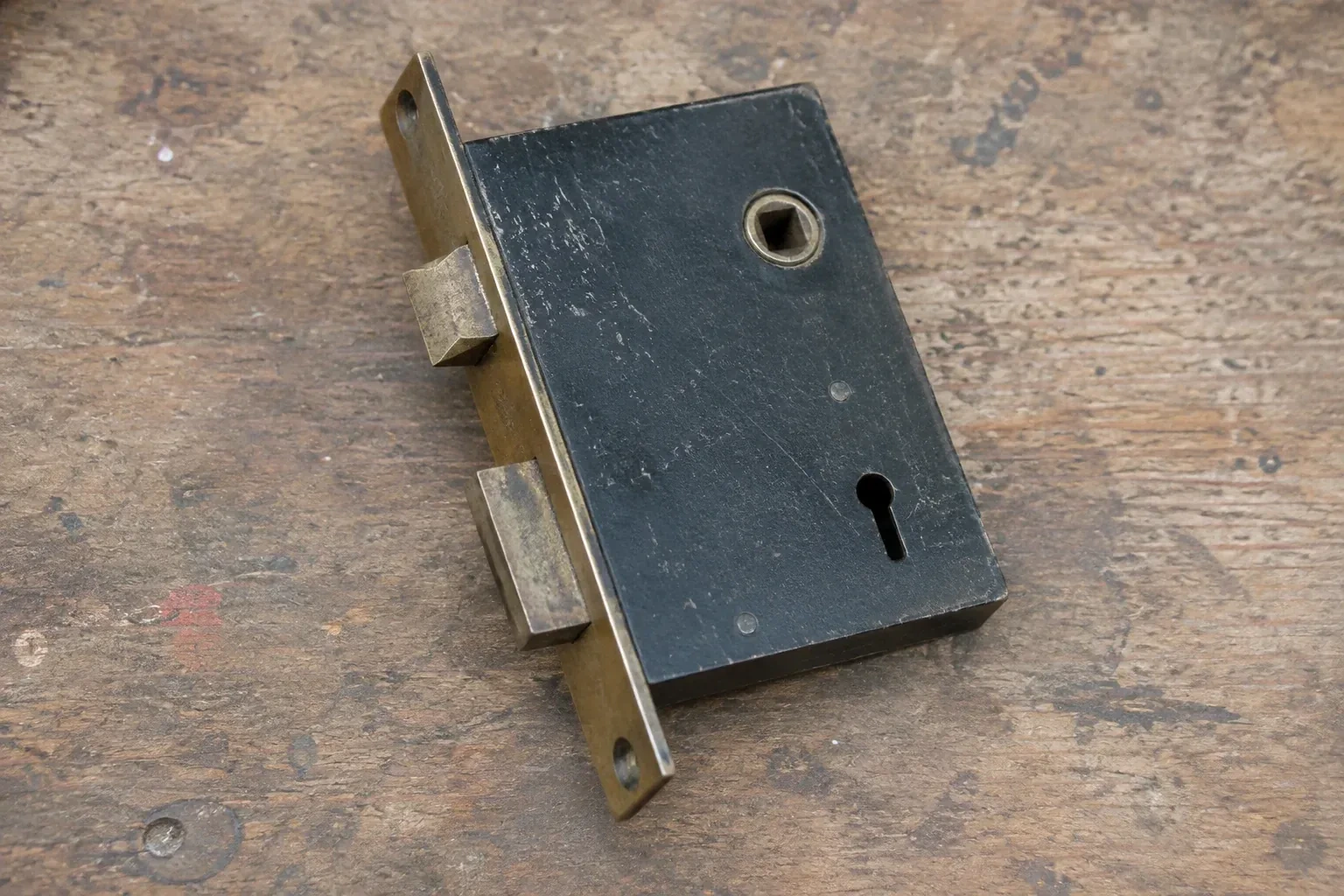
Often, and keeping the original hardware is usually worth trying first, since it fits the door and suits the house, though condition and the availability of matching parts decide whether a repair is realistic. The case comes out of the door edge, the decades of dust and hardened grease are cleaned away, a broken spring or worn hub is replaced with a matching part, and the contact surfaces get fresh grease. If a bit key or a cylinder has worn, a new key is cut or the cylinder rebuilt.
How long does a whole-house rekey take?
Plan on an hour or two for a typical house with three or four cylinders, including the walk-through, identification, pinning, cutting and testing. Each additional cylinder adds a little, as does swapping a cylinder to bring a mismatched door onto the same key, resetting a homeowner-rekeyable lock or clearing a garage opener. The locksmith gives a realistic window on the phone once the list of doors is known.
What do lock grades mean when I am picking a deadbolt?
Residential deadbolts are graded under an industry standard in three categories, security, durability and finish, with letter grades from C through A, so a lock marked with three A grades has met the highest level in each. Heavier commercial-pattern bolts are graded 1, 2 or 3, with 1 the highest. The grades let you match hardware to a busy family door or an exposed side entrance without relying on the weight of the box.
Is a high security cylinder really pick proof?
Nothing is beyond a laboratory with unlimited time, so the honest measure is minutes, not absolutes. Rated cylinders are tested to resist skilled picking and impressioning for a set period, and drilling and forcing for another. In the real world that matters because someone at a door has seconds, not a workbench. The sidebar and false grooves in the pins give a picker nothing reliable to feel, and the hardened inserts stop a bit, which is why these attacks move on to easier doors.
What is tested before the keys are handed over?
Every cylinder is tested on the bench against its assigned keys, then again once installed: the change key on its own door, the relevant sub-master across its whole group, and the top-level master across every door in the system. Any lock that responds to a key it should not is corrected before handover rather than left for the owner to discover later.
Does a door still need a mechanical key at all once it's on the system?
Not always — it depends on the hardware chosen for that door. Where a mechanical override cylinder is fitted and keyed in, it can still be opened by key regardless of what happens to the electronics, the network, or the power supply, and it is meant as a backup rather than a daily habit, since using it routinely bypasses the entry record the system is there to keep.
How many keys can one vehicle hold in its memory?
It varies by make and model; some systems hold only a handful of identities, while others allow considerably more. Many vehicles let one working key on hand authorize adding another, though some ask for two working keys and others use a different programming route entirely, which is why all-keys-lost situations are handled differently from adding a spare or a second driver's key.
Will you damage my steering wheel or airbag while working on this?
Reaching an ignition cylinder sometimes means removing column trim and shrouding, and that is done with the fasteners and clips the vehicle was built with rather than force. Anything near the column connected to the airbag system is left exactly as found. The panels and trim are refitted afterward so nothing rattles, sits loose, or looks any different than it did before the visit began.
Request a visit
Every key we cut in Midhurst is tested in the lock it belongs to before we leave. It sounds obvious, but a key that works on the bench and sticks in the door is a common complaint about lock work. We turn each one, from both sides where the door allows, and adjust the cut or the cylinder until every key slides in and turns cleanly.