Lockouts · Springwater
Home Lockout Service
It is minus fifteen, the wind is coming across the driveway, and the key will only go halfway into the deadbolt.
In plain words
A home lockout service is a visit whose whole purpose is to get you back inside your own home when the door is locked against you. The locksmith first confirms you have the right to be there, usually by matching photo identification to the address or seeing a lease, deed or property-management record. Then the lock is identified and opened with the gentlest method the hardware allows, so the door and the lock itself are usually kept in working order. Once you are inside, any further step such as rekeying or a new cylinder is discussed as its own decision.
How the visit goesSomeone pushed the privacy button on the bathroom door and pulled it shut behind them, leaving the room locked and empty. The little emergency slot on the outside is stripped, and the tiny release key that came with the handle disappeared years ago.
Home Lockout Service
How the visit goes
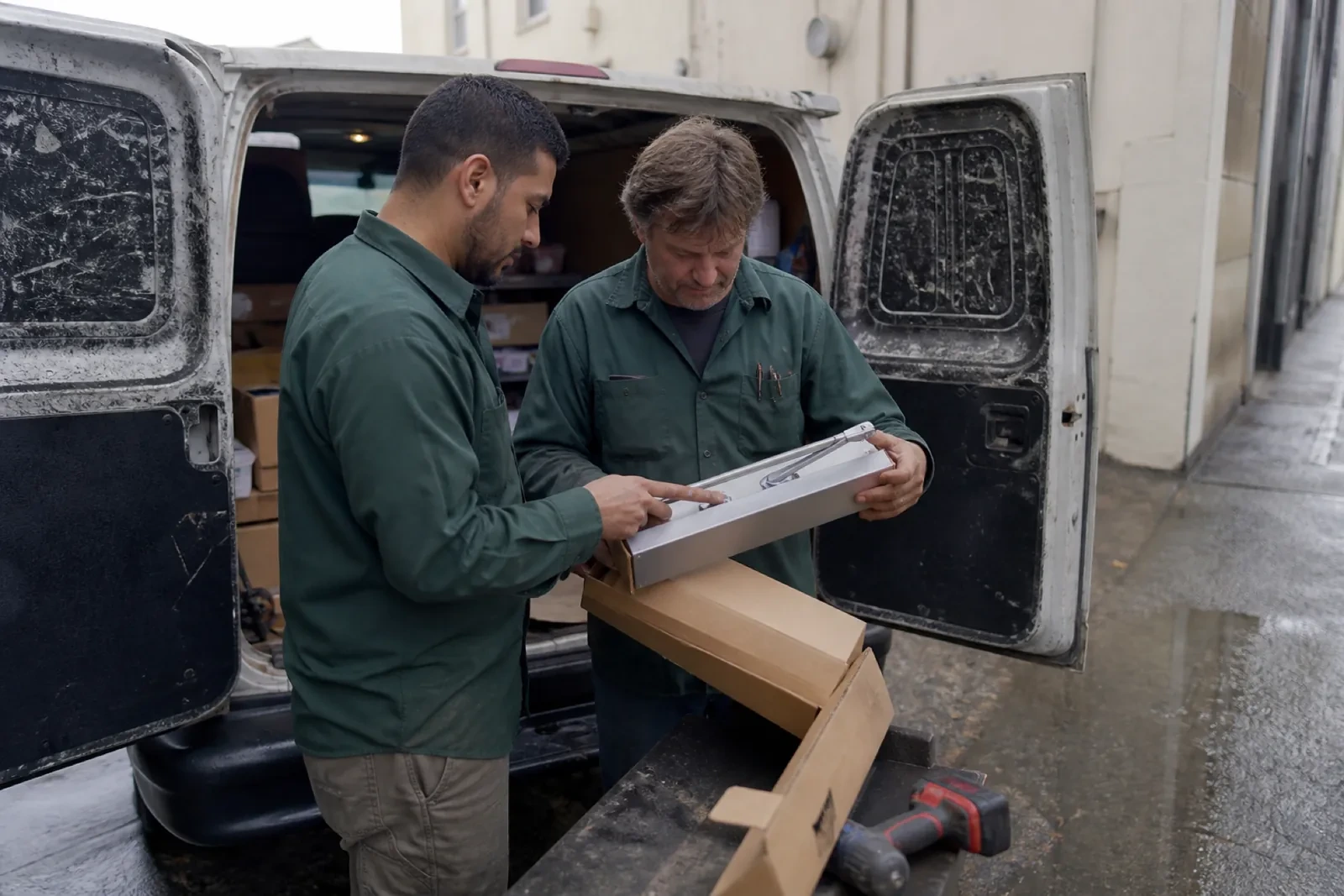
Confirming you belong at the door
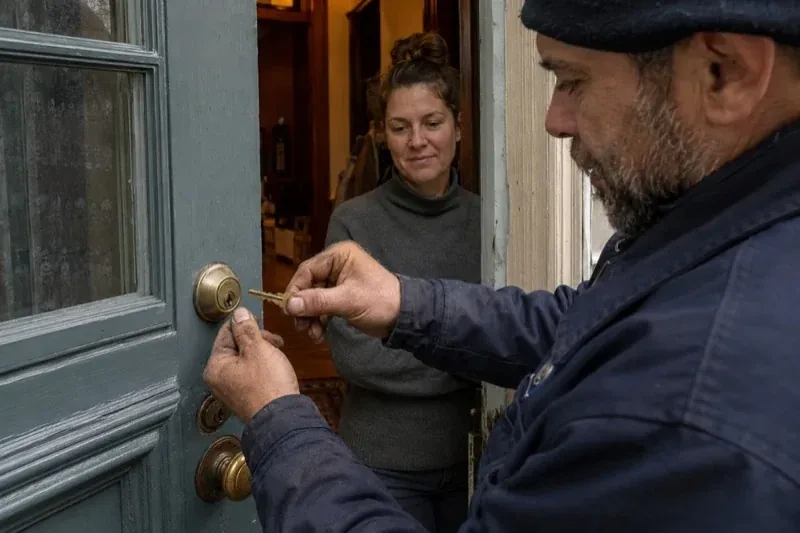
Before any tool comes out, the locksmith confirms that the person asking for entry has the right to it. Photo identification with the address on it is the simplest route. When the card shows an old address, a lease, a property tax notice, a utility bill on your phone or a call to the property manager fills the gap. If everything that proves it is inside, the locksmith notes that and completes the check once the door is open, before leaving. This is a courtesy to every household on the street as much as to you, and good locksmiths treat it as the first step of the job rather than an obstacle.
When drilling is the right answer
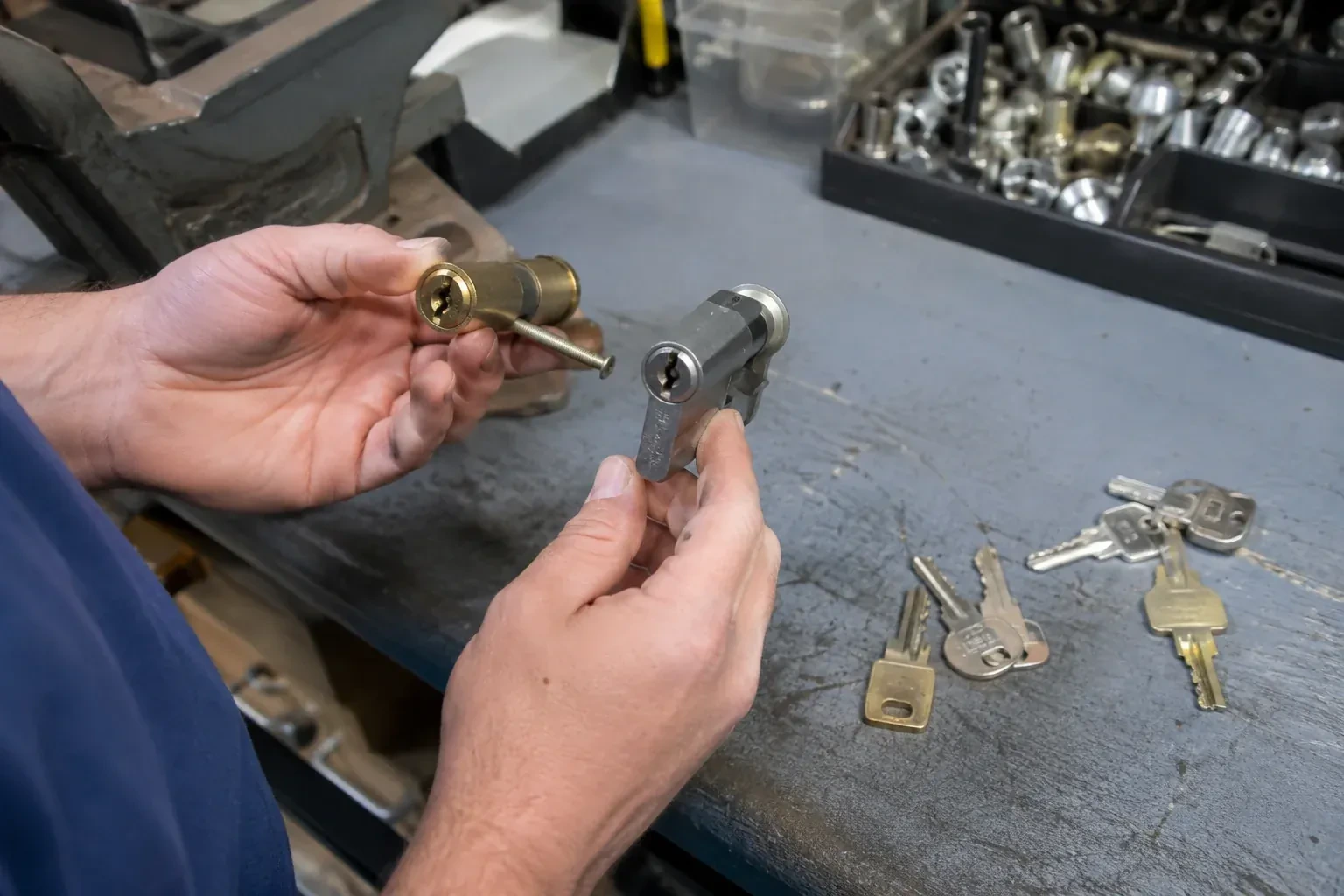
Occasionally a cylinder is seized, badly worn, packed with a broken key or built to resist picking to a degree that makes it impractical. In that case the locksmith explains, before starting, that the cylinder will be sacrificed and replaced. The drilling is aimed precisely at the shear line so the plug can turn, which keeps the damage to the cylinder alone and leaves the door, the trim and the bolt untouched. A new cylinder or complete deadbolt is fitted in the same visit, new keys are cut and tested, and the old hardware is handed to you or taken away as you prefer. You leave with a working, lockable door, not a temporary patch.
Looking after the cylinder afterwards
A lock that has just been opened deserves a little care so it keeps turning sweetly. Twice a year, follow your lock's own maintenance guidance: many residential cylinders take a puff of dry graphite or PTFE lubricant into the keyway, some a specified liquid product instead; general-purpose oil sprays attract dust and gum the pins. Wipe grit off your keys before using them, and retire a key that has worn thin or bent, cutting a new one from the code or from a crisp original rather than from a tired copy. If the key starts to need a wiggle to turn, that is the cylinder asking for attention early, while it is still an easy fix rather than a lockout.
Home Lockout Service
In the van
Strike plate and long hinge screws
Cylinder decoder
Key blanks and key cutter
Replacement cylinder or deadbolt
Plug follower and repinning kit
Home Lockout Service
What affects the quote
Getting to the door
A ground-floor house door is straightforward. A unit up several flights, a building with a locked lobby and no concierge, or a gated property where the gate is also locked adds steps that the quote takes into account.
Drilling and a replacement cylinder
If the cylinder has to be drilled, the quote gains the new cylinder or complete deadbolt and the labour to fit it. You are told this before the drill comes out, never after.
Keying other doors to match
Bringing the back door, side door and garage onto the new key after a rekey is extra work per cylinder, and simplest to arrange during the same call-out.
What to have ready
- Is anyone, including a child or pet, inside the home right now?
- Is the door swollen, sagging or hard to close even when it is unlocked?
- Is there a second door, a garage entry or a spare key nearby you could use?
Home Lockout Service: questions
QuestionsWhat happens if my identification is not convincing enough on the spot?
The work pauses rather than proceeds, and the locksmith helps you find another route: a neighbour or building manager who can confirm you live there, a document on your phone, a family member who can bring paperwork, or completing the check inside after entry when the documents are behind the door. Verification protects you as much as anyone, because the same standard applies to whoever might one day claim to live at your address.
How long does a home lockout usually take once the locksmith arrives?
The opening itself is often the shortest part of the visit; verifying identification, examining the lock and testing the door afterwards take a share of the time too. A standard knob or deadbolt on a well-fitting door is generally a matter of minutes, while a high-security cylinder, a frozen lock or a swollen door takes longer. If a cylinder has to be drilled and replaced, or locks are rekeyed while the locksmith is there, allow extra time for that work.
Is a double-cylinder deadbolt a good idea after a lockout?
A deadbolt keyed on both sides is sometimes suggested for doors with glass beside them, but on a main escape door it means finding a key to get out. A door people use to leave the home should open from the inside without a key or special knowledge, especially in an emergency. A single-cylinder deadbolt with a thumb-turn, paired with a reinforced strike and a proper glass film if needed, keeps both security and a clear way out.