Lockouts · Springwater
Home Lockout Service in Springwater
It is minus fifteen, the wind is coming across the driveway, and the key will only go halfway into the deadbolt.
In plain words
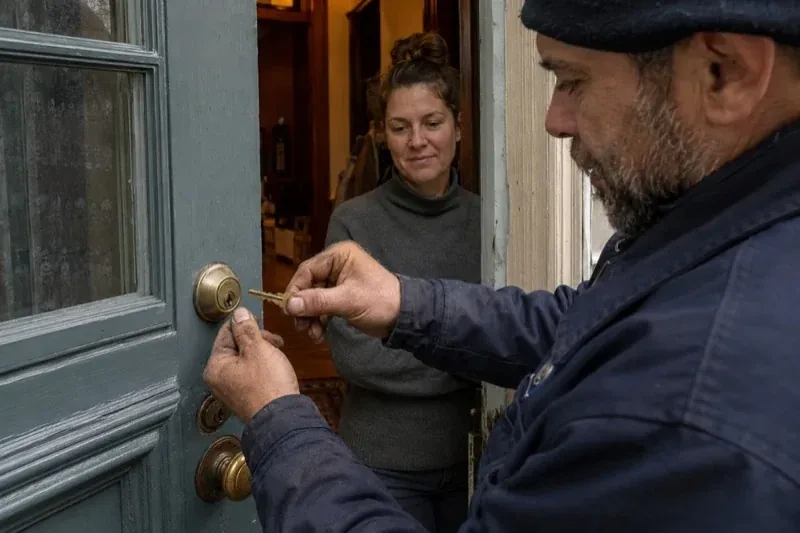
A home lockout service is a visit whose whole purpose is to get you back inside your own home when the door is locked against you. The locksmith first confirms you have the right to be there, usually by matching photo identification to the address or seeing a lease, deed or property-management record. Then the lock is identified and opened with the gentlest method the hardware allows, so the door and the lock itself are usually kept in working order. Once you are inside, any further step such as rekeying or a new cylinder is discussed as its own decision.
How the visit goesThe key slides in and turns all the way round, but the bolt stays put. There is no click, no resistance, just a key spinning in a lock that has stopped listening to it after years of daily use.
Home Lockout Service
How the visit goes
Reading the lock itself
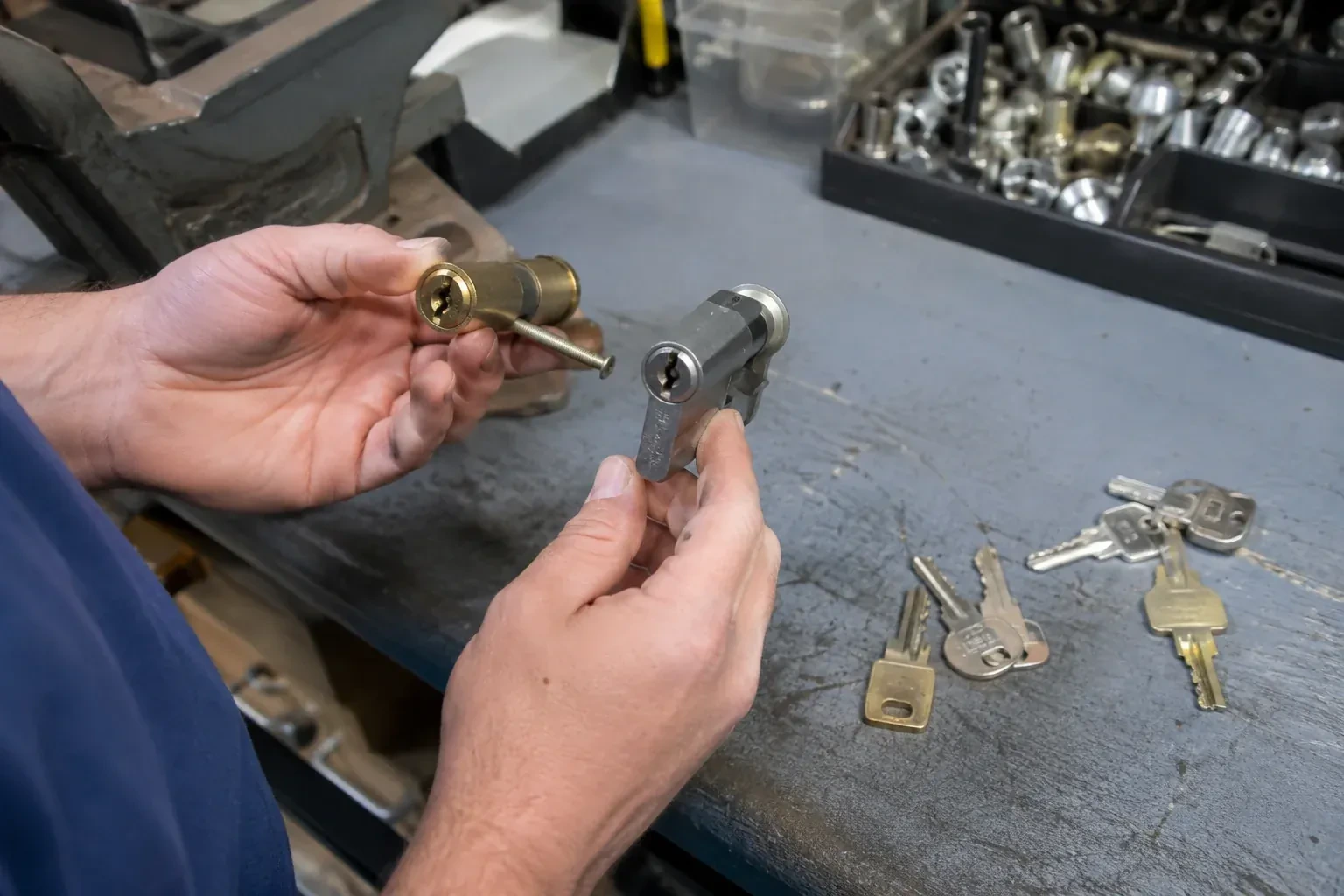
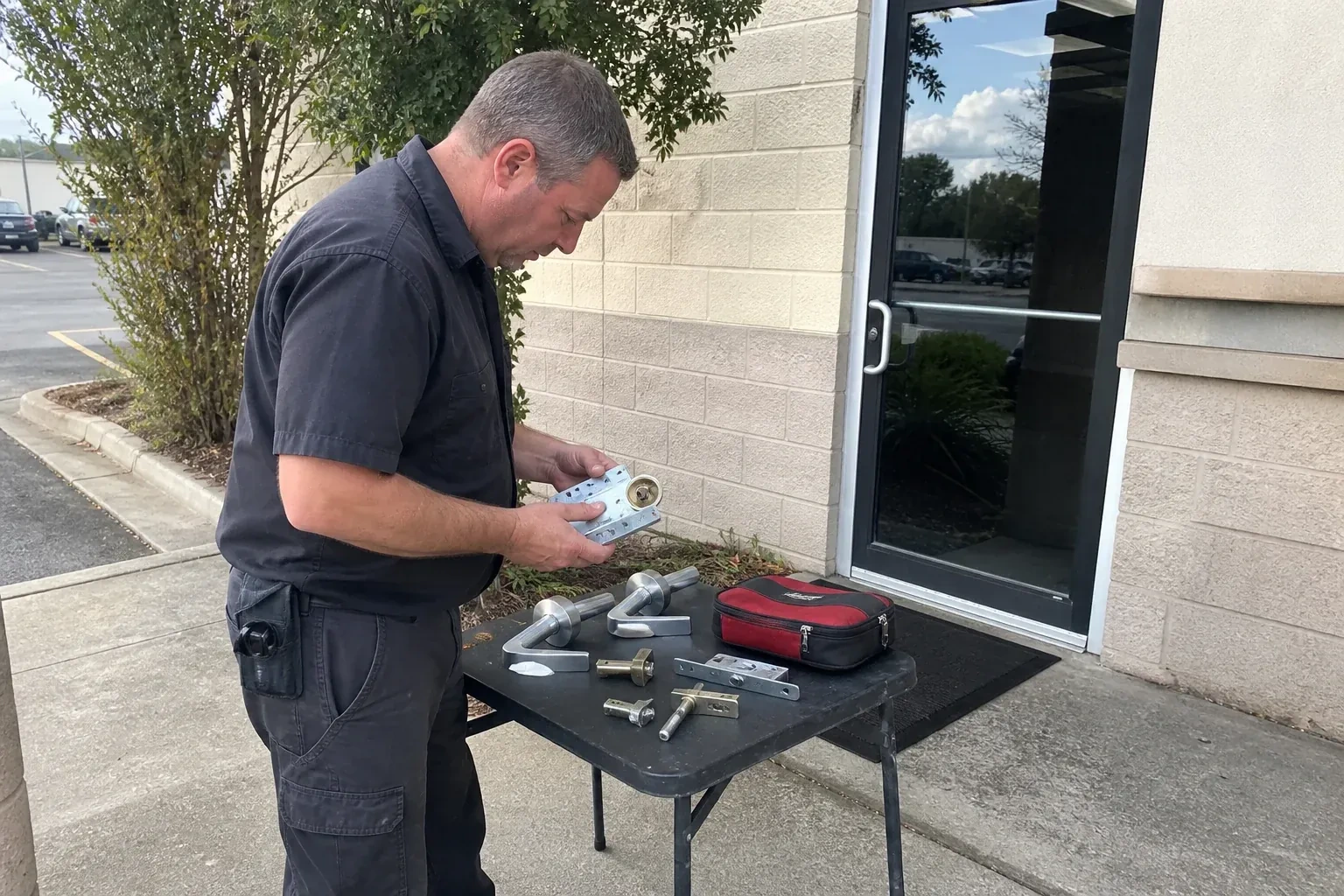
Every lock announces what it is to someone who knows where to look. The shape of the keyway, the maker's mark on the face, the presence of a thumb-turn or a second keyed side, and whether the door has a separate deadbolt above a latching knob all tell the locksmith which family of hardware they are dealing with. A residential pin-tumbler cylinder, a mortise case in a century home, a restricted keyway with security pins and a keypad lock with a hidden override each respond to different techniques. Identifying the lock correctly before touching it is what makes a clean, non-destructive opening the usual outcome.
Relieving a bound door
When the bolt is jammed against the strike because the door has swollen or sagged, picking achieves nothing until the pressure comes off. The locksmith lifts or leans on the door to bring the bolt back into line with its pocket while the key or pick turns the cylinder, and the bolt slides home. With the door open, the cause is addressed so it does not lock you out again: tightening or shimming a hinge that let the door drop, dressing the strike pocket so the bolt has room, or trimming a weatherstrip that pushes the door out of square. The lock was never the problem; the door simply moved around it.
Ready for the next cold snap
After a winter lockout you leave with a cylinder that has been dried and dressed with a moisture-shedding lubricant, and usually a small tube of lock de-icer for the glove box or coat pocket. Keeping the storm door closed shields the main lock from freezing rain, and a simple keyhole cover on an exposed side door stops meltwater getting in during a thaw. If the door itself was frozen to its seal, the weatherstripping has been cleared and a light silicone wipe on it stops it bonding to the door again. These small habits carry most households through a whole season of freeze and thaw without another stuck morning.
Home Lockout Service
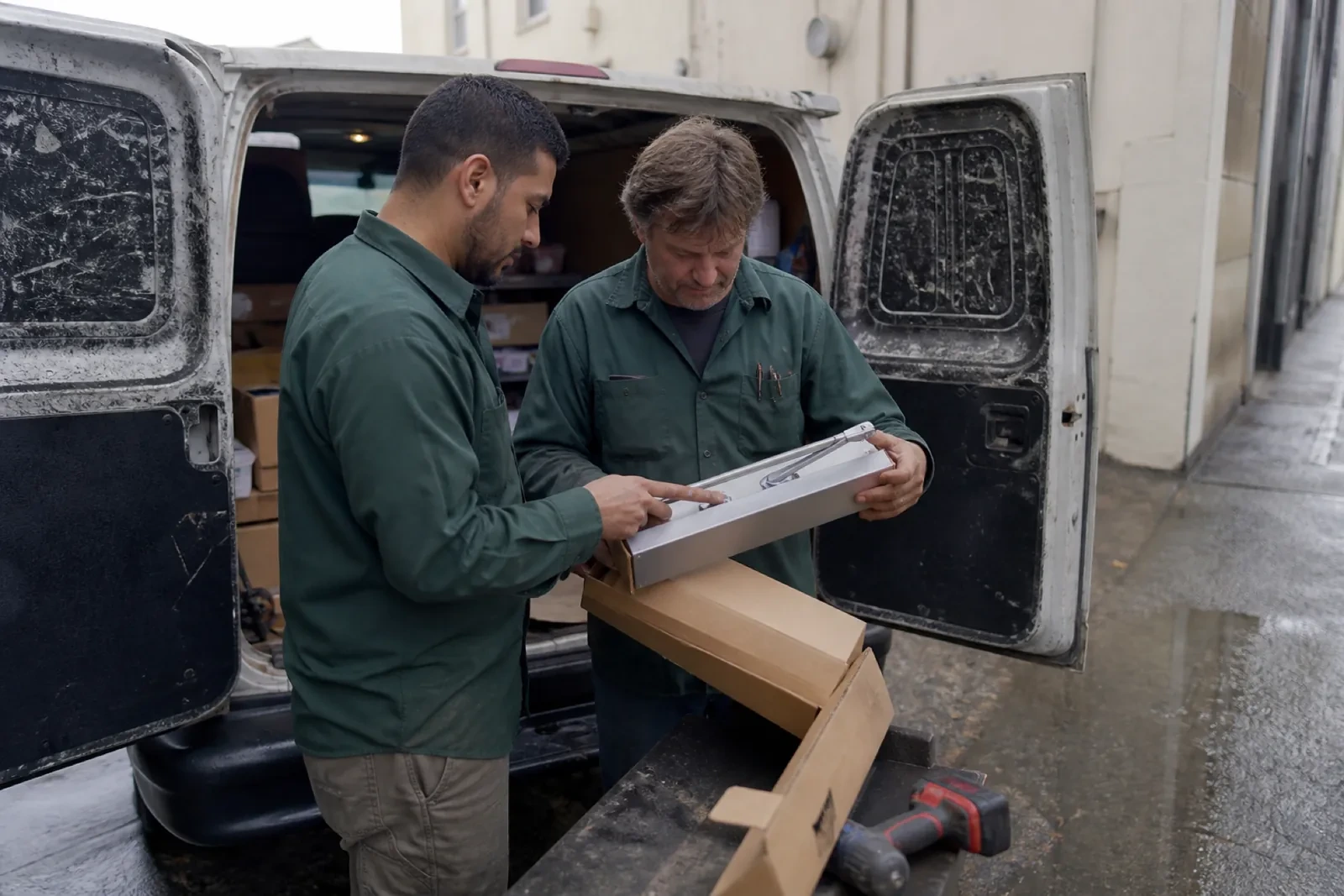
In the van
Strike plate and long hinge screws
Cylinder decoder
Key blanks and key cutter
Replacement cylinder or deadbolt
Plug follower and repinning kit
Home Lockout Service
What affects the quote
Any upgrade you choose while the locksmith is there
Some people use the visit to move to a heavier deadbolt, a reinforced strike, a keypad or a lockbox. None of it is required to get you inside; each option is priced as a separate line.
Electronic lock work
A dead smart lock may need batteries, a reset, reprogramming of codes or pairing to your phone once the door is open. Each of those is a small task that the quote names separately.
How many locks need opening
One front door is the simplest case. A front door plus a garage man-door, a storm door that latched and a mailbox in the lobby is a longer visit with more hardware to work through.
What to have ready
- Has the lock been stiff, sticky or hard to turn in recent weeks?
- Is there a second door, a garage entry or a spare key nearby you could use?
- Has anyone already tried to open the door with a card or tool?
Home Lockout Service: questions
QuestionsWhat happens if my identification is not convincing enough on the spot?
The work pauses rather than proceeds, and the locksmith helps you find another route: a neighbour or building manager who can confirm you live there, a document on your phone, a family member who can bring paperwork, or completing the check inside after entry when the documents are behind the door. Verification protects you as much as anyone, because the same standard applies to whoever might one day claim to live at your address.
How long does a home lockout usually take once the locksmith arrives?
The opening itself is often the shortest part of the visit; verifying identification, examining the lock and testing the door afterwards take a share of the time too. A standard knob or deadbolt on a well-fitting door is generally a matter of minutes, while a high-security cylinder, a frozen lock or a swollen door takes longer. If a cylinder has to be drilled and replaced, or locks are rekeyed while the locksmith is there, allow extra time for that work.
Is a double-cylinder deadbolt a good idea after a lockout?
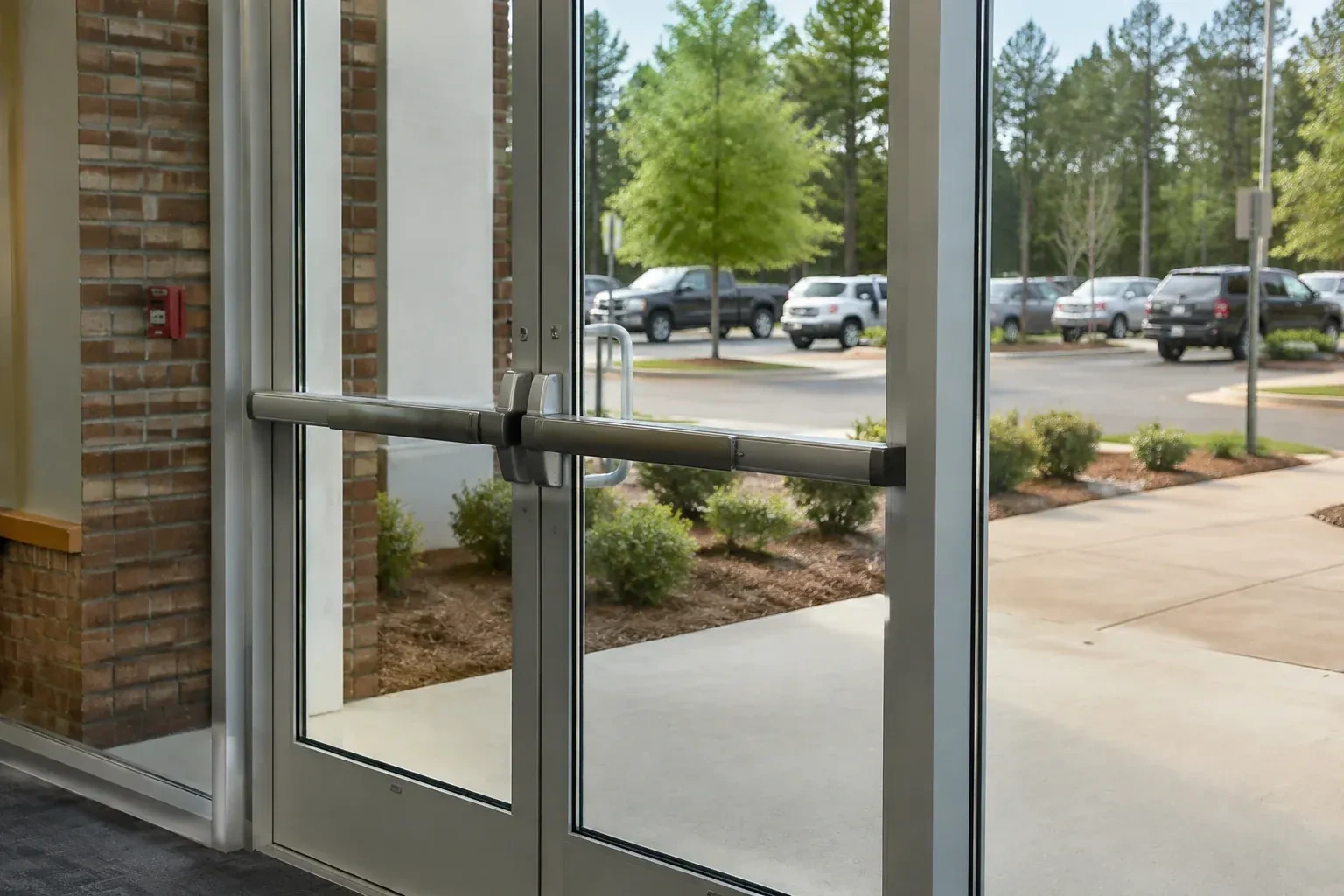
A deadbolt keyed on both sides is sometimes suggested for doors with glass beside them, but on a main escape door it means finding a key to get out. A door people use to leave the home should open from the inside without a key or special knowledge, especially in an emergency. A single-cylinder deadbolt with a thumb-turn, paired with a reinforced strike and a proper glass film if needed, keeps both security and a clear way out.