Car keys · Springwater
Spare Car Key Duplication in Springwater
One key opens the car, starts the car, and rides in one pocket every day.
In plain words
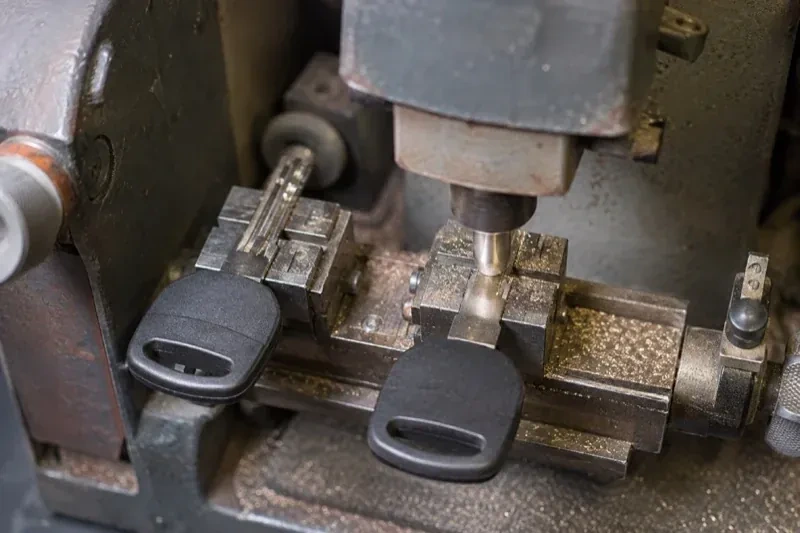
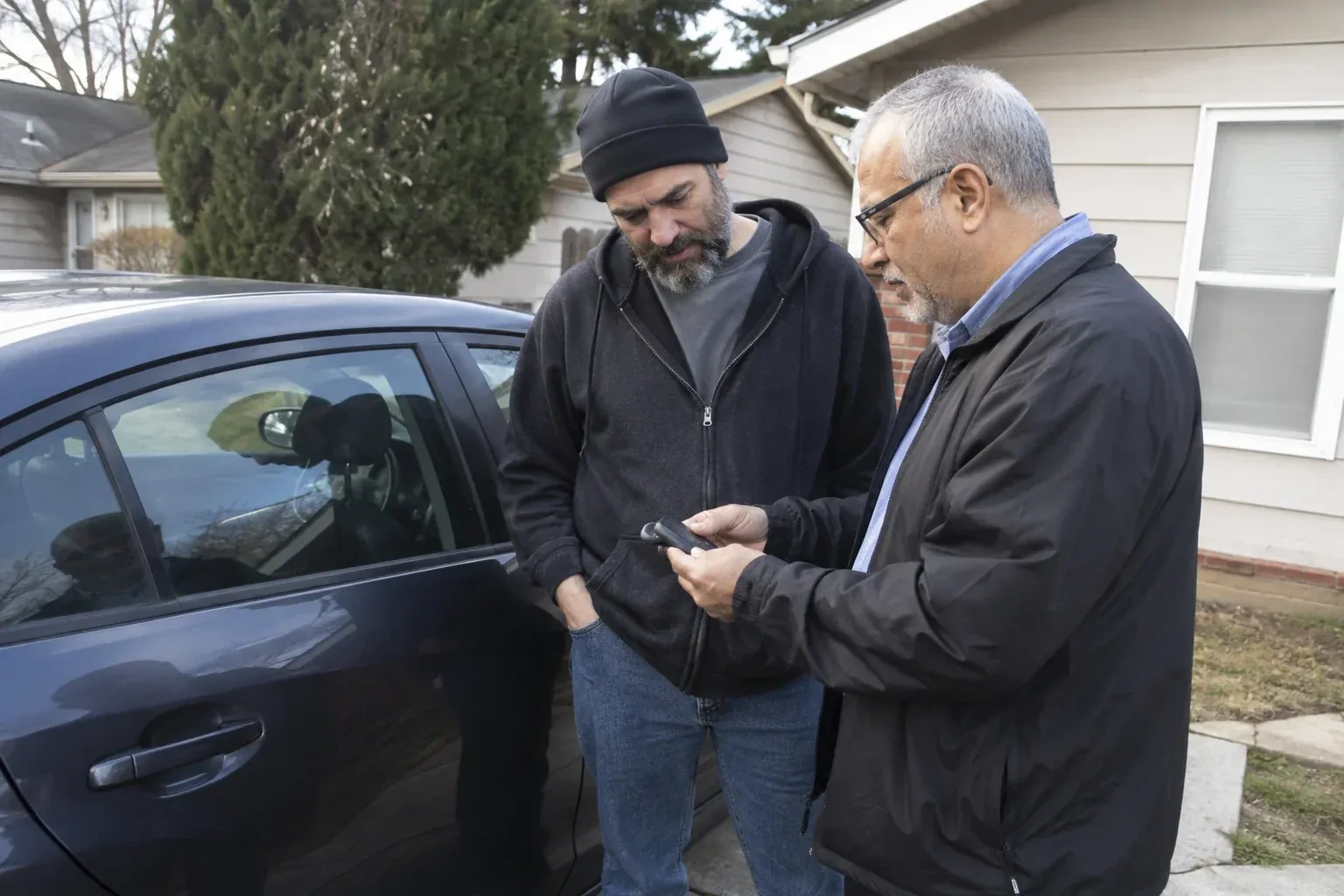
Making a spare before the original goes missing is simpler than making one after, because the whole process is built from a working key to read or trace from. With the vehicle and its existing key both present, the locksmith identifies the blade profile and the chip or coding the immobilizer expects, produces a matching blank, and gives it the same electronic identity as the first key. Testing both keys side by side in every door and the ignition confirms the spare performs the same way, so a future lost key becomes an errand rather than a call for entry.
How the visit goesOne key opens the car, starts the car, and rides in one pocket every day. Nothing backs it up. A dropped storm drain, a torn pocket or a moment of distraction would leave the household without a way to drive anywhere tonight.
Spare Car Key Duplication
How the visit goes
Checking how many keys already exist
A vehicle can be sitting on more than the one key its owner mentions, and an honest account of every key, valet key and remote in circulation shapes what happens next. If two or three already exist and work, a new spare simply joins that set. If a key was lost some time ago and never accounted for, that shifts the conversation toward reprogramming the whole system to drop the missing one, rather than quietly adding a fourth key to a set that already has an unknown copy loose somewhere. Either way, knowing the real count is worth establishing before cutting begins.
Giving the new key its electronic identity
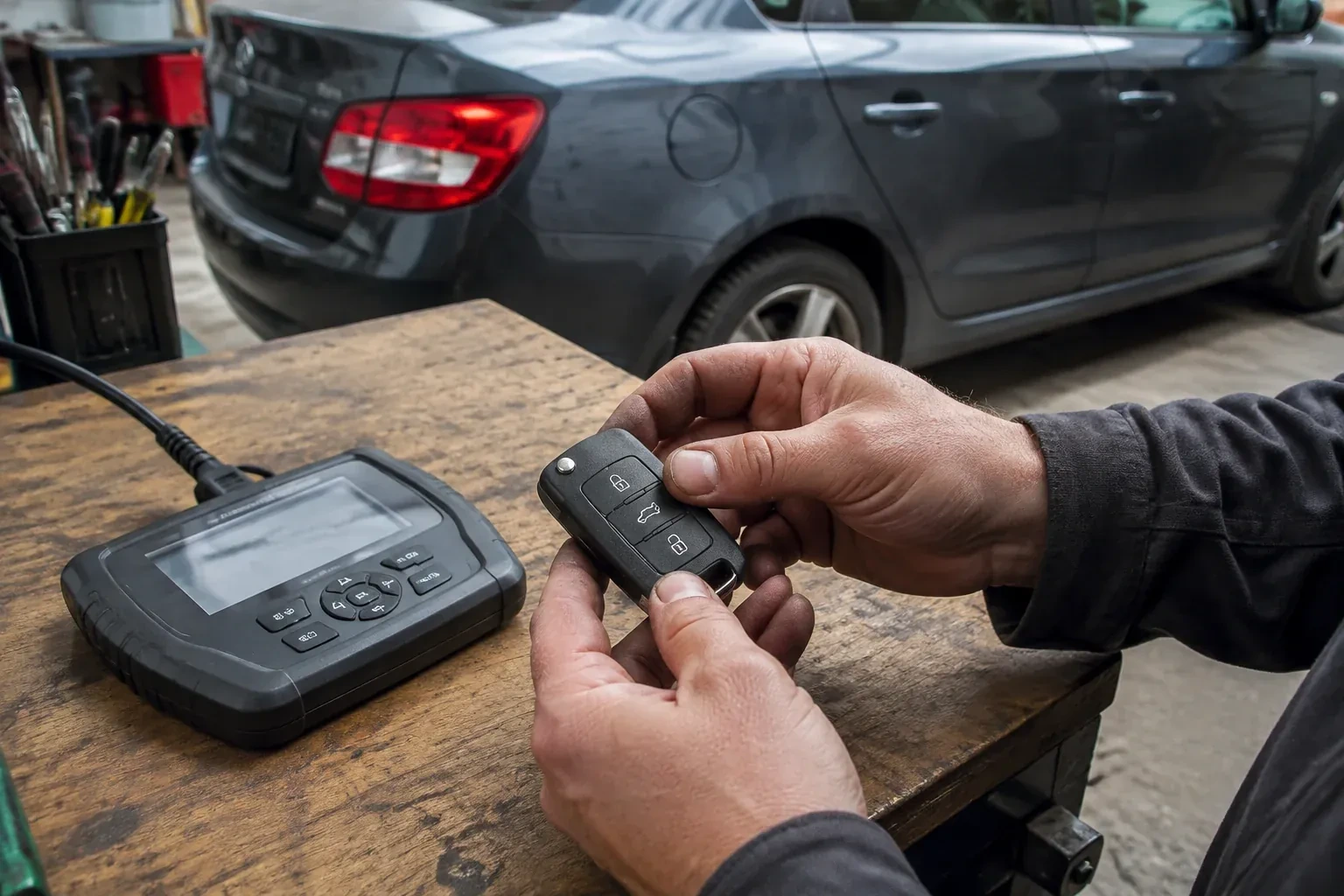
A cut blade alone will turn the lock but will not start a car with an immobilizer, so the new key also needs the chip data the vehicle expects. Where the transponder supports it, the original's data is read and cloned onto a fresh chip directly, sometimes with the help of vehicle-specific data pulled from the car itself. Where cloning is not supported for that application, the locksmith instead connects to the vehicle's diagnostic port and walks the car's own security module through enrolling the new chip as an additional valid key, a process that can take longer but produces a key the vehicle recognizes on its own rather than one imitating another.
Caring for the new key
A freshly cut blade benefits from being wiped clean of any cutting residue and given a light turn in each lock it is meant to open, which also confirms nothing was missed during testing. A new fob's battery is fresh from the visit, but it is worth noting the battery type on a label or in a phone note so a future replacement does not mean guessing at the hardware store. Keeping the spare's ring separate from a bunch of house keys also reduces wear on the blade from constant jostling against harder metal edges.
Spare Car Key Duplication
In the van
Coin-cell fob battery
Code-cutting machine
Remote-head key shell
Chip cloning tool
Proximity fob shell
Spare Car Key Duplication
What affects the quote
Choosing a limited-function spare
A simplified key built for a valet or a specific driver, without every remote feature the primary key carries, generally involves less programming than matching every function exactly.
Aftermarket alarms or remote starters
A factory system wired into a third-party alarm or remote starter can add extra steps to programming, since the added equipment sometimes changes how the vehicle's module responds during enrolment.
Copying versus diagnostic programming
Some vehicles allow the chip to be copied directly from the original in one step, while others need the locksmith to connect through the diagnostic port and have the vehicle's own module enrol a freshly coded chip, which takes longer at the car.
What to have ready
- Has the vehicle had an aftermarket alarm or remote starter installed?
- Where is the vehicle usually parked?
- What year, make and model is the vehicle?
Spare Car Key Duplication: questions
QuestionsHow long does making a spare car key usually take?
The time depends mainly on the key system rather than the blade. A plain mechanical key can often be duplicated within one visit, without extra electronic work. A transponder or remote-head key adds a cloning or programming step, done off the vehicle when the chip supports it and through the vehicle's own diagnostic port when it does not, with the diagnostic route usually taking longer. The locksmith can usually say which category your vehicle falls into once the make, model and year are known, before the appointment starts.
Is cloning the same as programming a new key?
They solve the same problem differently. Cloning copies the working key's existing code onto a new chip, which some vehicles' systems permit directly. Programming instead has the vehicle itself learn a brand-new code and accept it as an additional valid key, which is how most recent vehicles with rolling codes or added cryptography are handled, since their systems are built specifically to resist straightforward copying.
Should I get the locks rekeyed when I get a spare, or is that a different service?
They are related but not identical, since a car's door and ignition locks are a separate mechanical layer from the immobilizer even though both systems usually get touched in the same visit. Making a spare and removing a genuinely unaccounted-for key's electronic access are handled together, and if that lost key's blade could still turn a matching door cylinder by hand, the locksmith rekeys that cylinder as part of the same appointment.
Related services
- Car Key ReplacementThe engine cranks, catches for a second and dies, and a small key-shaped light keeps blinking on the dash.
- Key Fob ProgrammingA fob went missing weeks ago somewhere between a coat pocket and a parking lot, and a spare has covered the gap since.
- Transponder Key ProgrammingThe remote fob has gone silent, the doors won't unlock with a button press, and the little emergency blade tucked inside it has not been used since the day the car was bought.