Change or rekey · Springwater
Gate & Building Entry Locks
Between the front gate, the side gate and the one behind the shed, there are three different padlocks, three different keys, and a growing pile of duplicates in a kitchen drawer that nobody can match to the right lock anymore.
In plain words
A gate or door that will not latch is rarely just a lock problem; more often the hardware is being asked to catch a moving target. This visit reads the gate or door's actual swing, sag and alignment first, then brings the closer, hinges, strike and cylinder into agreement with each other rather than replacing parts one at a time. Once the physical fit is right, the same lock that seemed unreliable for months often turns out to have been sound all along.
How the visit goesA visitor buzzes from the panel downstairs, someone presses the button by the door, and nothing happens. The electric strike on the lobby door used to click open on cue; now it stays silent, and residents are propping the entry with a folded flyer instead.
Gate & Building Entry Locks
How the visit goes
Checking the closer and hinges together
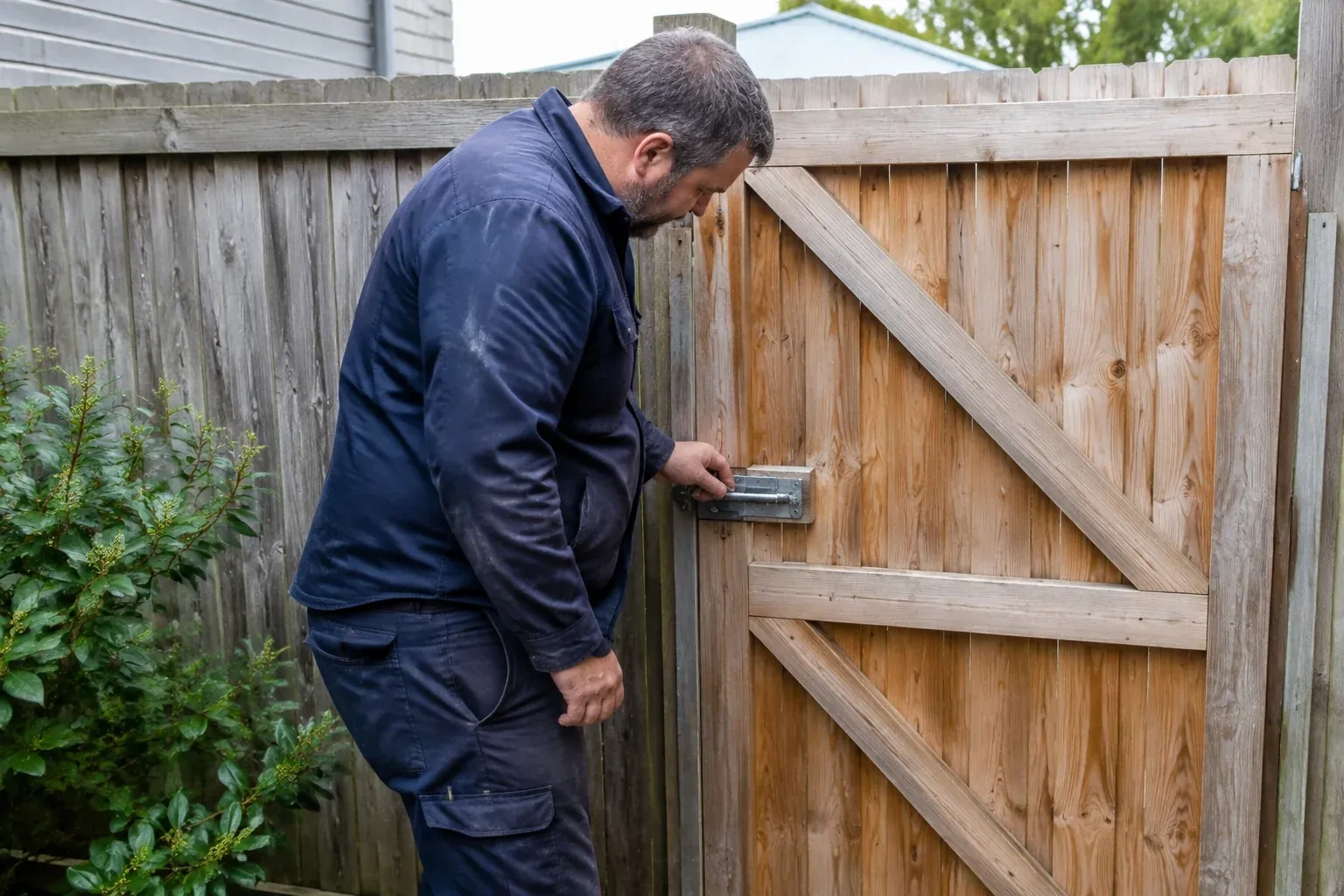
A closer cannot be judged on its own, because a gate that slams or drifts open is often fighting hinges or a post that have moved. The locksmith checks the closer's current adjustment, the condition of its arm and fittings, and then the hinges or pivots the gate hangs from, along with whether the post itself still stands square. Separating a closer problem from a hinge or post problem here avoids replacing a perfectly sound closer that was only ever fighting a leaning post, or the reverse case.
Working on the cylinder itself
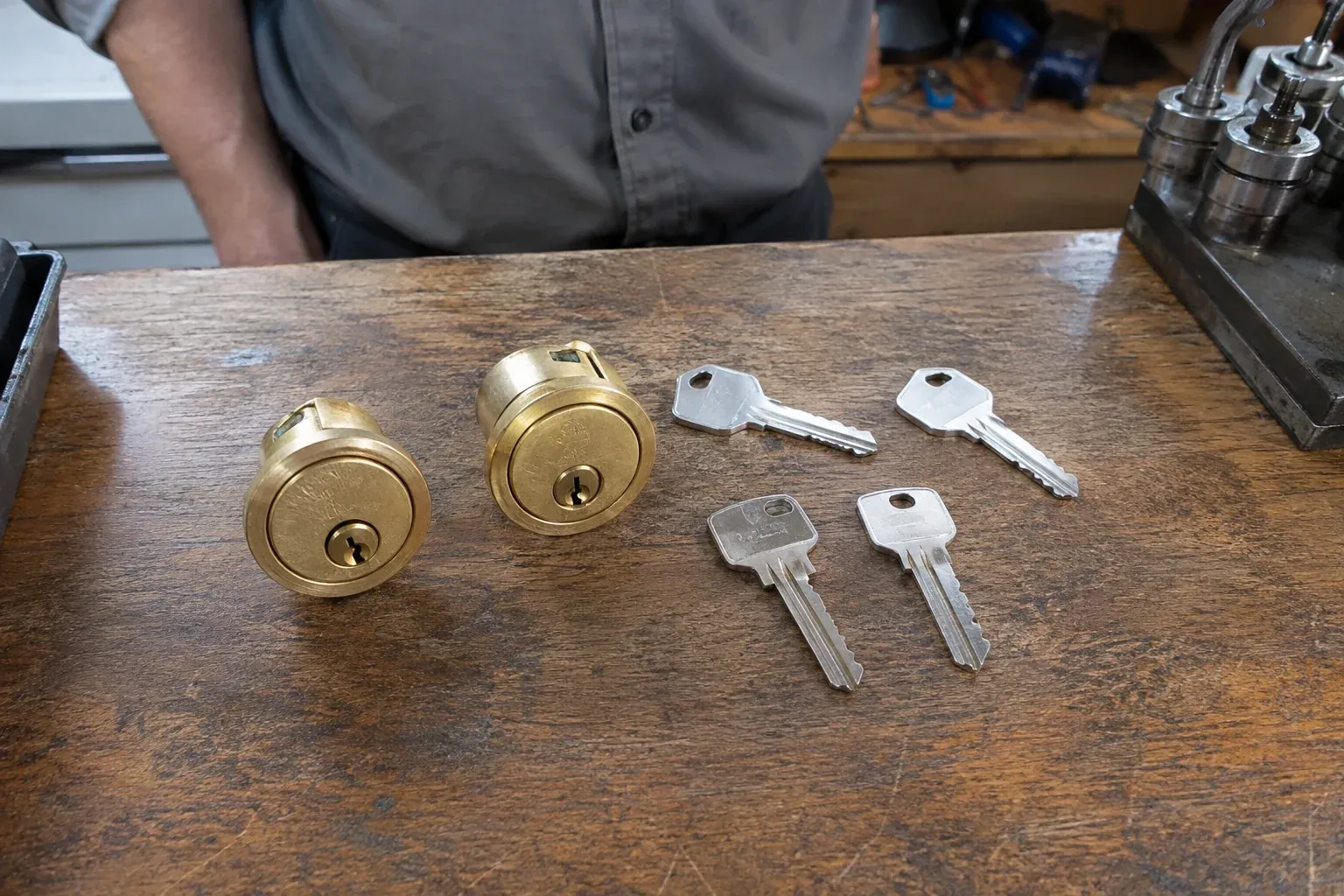
Depending on what the assessment found, the cylinder is either rekeyed, replaced with a weather-rated unit, or decoded so a fresh key can be cut to match it. Rekeying removes the existing pin combination and sets a new one, so old keys stop working while the same housing stays on the gate. A full replacement suits a housing that is worn, pitted or the wrong grade for outdoor use. Either way, the new or updated cylinder is cycled repeatedly with the new key, from both sides where the hardware has two, before it is considered finished.
A post and frame that hold their position
Where ground movement had thrown the gate out of line, you leave with a post that has been reset, packed or braced so it stays where it was put, not just a strike that was shimmed to match wherever the post happened to be that day. The gate should now close consistently through the seasons rather than needing a fresh adjustment every time the ground shifts. Check it again after the next hard frost or a wet spring, since soil movement is ongoing rather than a one-time event.
Gate & Building Entry Locks
In the van
Strike plates and keepers
Plug follower and repinning kit
Gate locks and latches
Cylinder decoder and pick set
Weather-rated cylinders
Gate & Building Entry Locks
What affects the quote
Electronic components on the entry
A buzzer, keypad, electric strike or maglock adds its own diagnostic and testing time beyond the mechanical lock itself, and any electronic part that needs repair or replacement is priced as its own line.
Type and grade of the gate or door lock
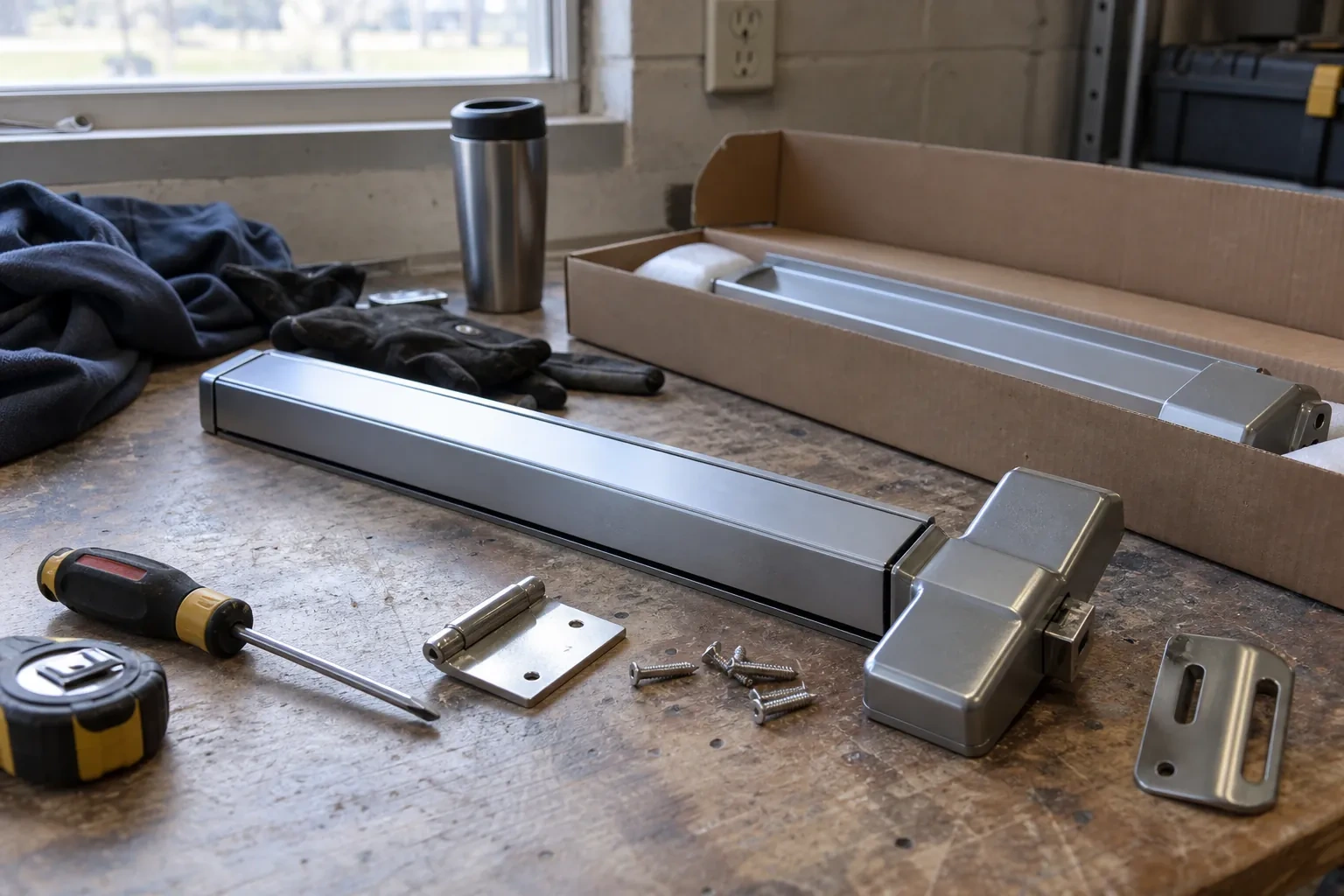
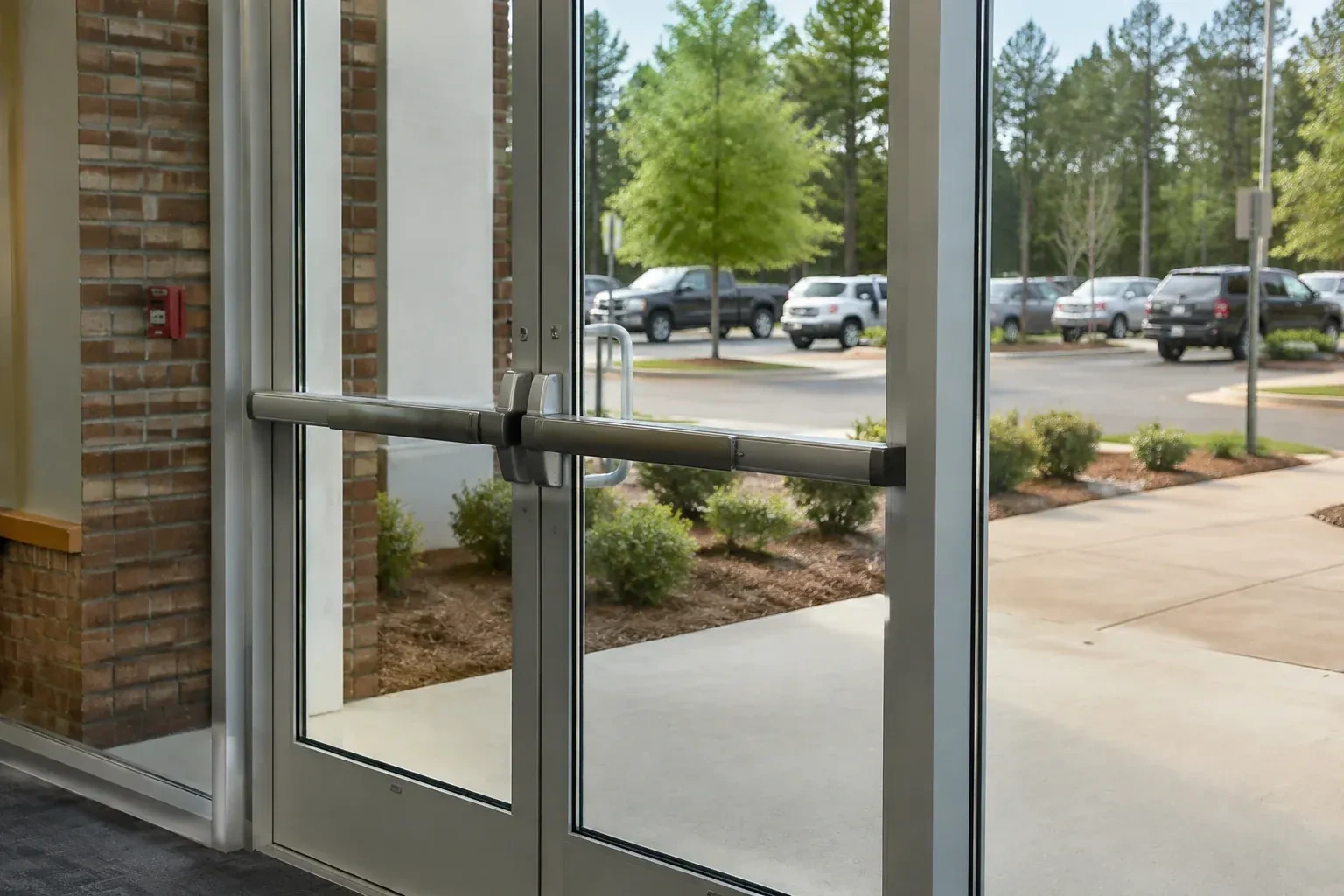
A basic surface-mounted gate latch, a weather-rated cylinder, a mortise case and a panic device on a building entry each take different parts and different amounts of time to service, and that difference is reflected in the quote.
Number of gates or entries involved
One gate lock is the simplest case. A front gate, a side gate and a shared building entry looked at in the same visit is naturally a longer job with more hardware to work through.
What to have ready
- Which gate or door is giving you trouble?
- Has anyone moved out or left the building recently?
- Does the entry have a buzzer, keypad or electric strike?
Gate & Building Entry Locks: questions
QuestionsOur property has a lot of separate gates. Is there a way to manage that with fewer keys?
Yes, a master key arrangement is a common answer: individual gates each keep their own key for day-to-day use, while one additional master key opens all of them for whoever manages the whole property, such as an owner or a maintenance contractor. Setting this up means recombining or replacing the cylinders involved so they share a compatible pinning structure, which is planned out before any single gate's lock is touched, so the system works as intended once finished.
Can a gate that slams shut be fixed without replacing the whole closer?
Often, yes. A closer that slams is frequently just out of adjustment rather than worn out, and bringing its closing speed and final latching action back into a sensible range solves the problem on its own. Replacement becomes the answer when the arm, seals or internal fluid have genuinely failed, which the locksmith checks for directly rather than assuming from the symptom alone. Either way, the gate is tested through several full cycles before the visit is called finished.
How can I tell if the problem is the lock or just the gate's alignment?
A simple check is to lift or support the gate slightly while someone else turns the key: if the bolt suddenly moves freely, the gate's weight was pulling it out of line with the strike, not the lock itself. A key that turns smoothly but never releases the bolt, regardless of how the gate is held, points more toward the cylinder or its connection to the latch. Either way, the locksmith checks both possibilities directly rather than assuming which one it is.
Related services
- Deadbolt InstallationThe front door has a handsome lever and a keyed knob, and that is all.
- Lock Replacement & UpgradeThe keys the seller handed over came in a sandwich bag: six unlabelled copies for two locks of different makes from different decades.
- Vintage Mortise Lock ServiceYou bought a house with its original hardware and a bag of loose keys.