Car keys · Springwater
Spare Car Key Duplication
One key opens the car, starts the car, and rides in one pocket every day.
In plain words
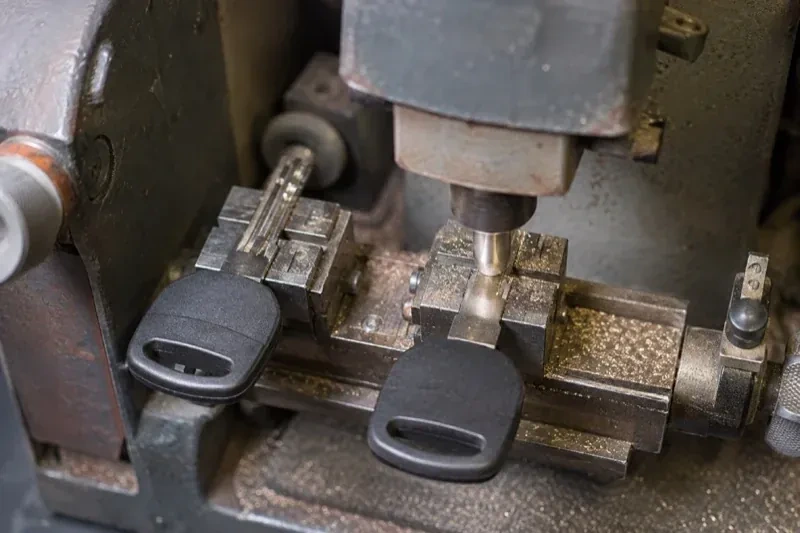
Households with more than one driver and one car key end up trading it back and forth, which works until two people need the vehicle at once. Making a second key from the original lets each driver carry their own, cut from the same blade profile and carrying the same chip or code the immobilizer recognizes, so neither key behaves differently from the other. The locksmith tests both apart from each other in the doors and the ignition before handing them back, and a family running two vehicles on the same lock family can sometimes be brought onto one key altogether.
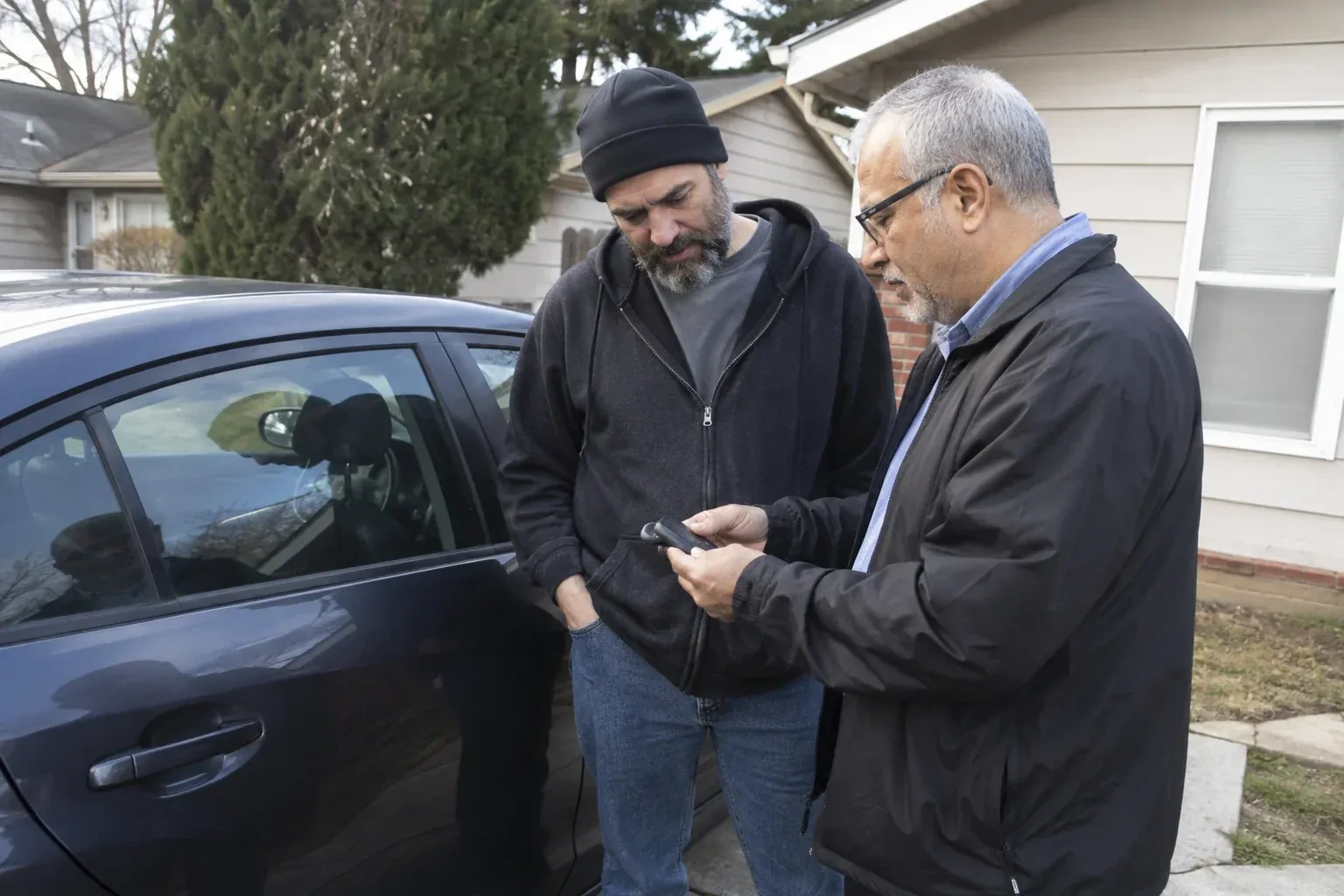
How the visit goesA teenager just passed a driving test and reasonably wants a key of their own rather than negotiating over the family's single copy every time the car is needed. Two drivers and one key keep colliding on the same schedule.
Spare Car Key Duplication
How the visit goes
Assessing the fob's electronics
Where the key includes a remote or a proximity fob, the locksmith checks the battery, tests every button against the vehicle, and confirms whether functions like remote start, a panic alarm or a power hatch release are part of what the spare needs to reproduce. A fob that has been dropped or exposed to water sometimes still passes buttons but fails intermittently, which is worth knowing before it becomes the pattern a new key is measured against. Confirming the battery type while the shell is open also saves a second trip later when it eventually runs down on its own.
Giving the new key its electronic identity
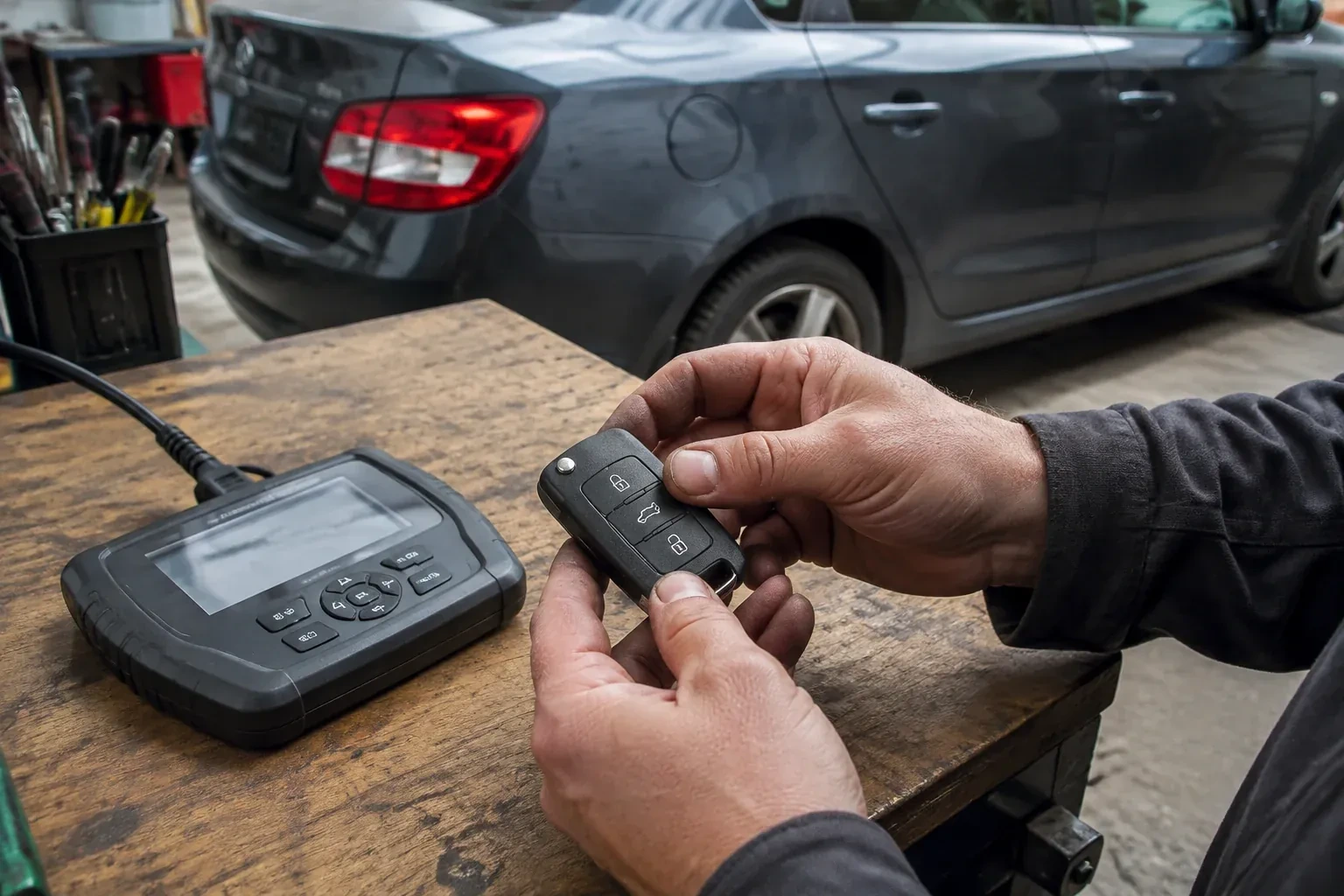
A cut blade alone will turn the lock but will not start a car with an immobilizer, so the new key also needs the chip data the vehicle expects. Where the transponder supports it, the original's data is read and cloned onto a fresh chip directly, sometimes with the help of vehicle-specific data pulled from the car itself. Where cloning is not supported for that application, the locksmith instead connects to the vehicle's diagnostic port and walks the car's own security module through enrolling the new chip as an additional valid key, a process that can take longer but produces a key the vehicle recognizes on its own rather than one imitating another.
Where the spare should live
A spare that stays inside the vehicle solves little if the vehicle itself is what gets locked or lost, so the sensible places are a bag that travels separately, a drawer at home, or with a family member who is easy to reach. A passive proximity spare benefits from a signal-blocking pouch when it is stored, since that kind of fob keeps broadcasting even while it sits untouched in a drawer; a standard button-operated remote works differently and does not need the same pouch. Wherever it ends up, the location is worth sharing with at least one other person in the household so the spare is findable by someone other than the person who put it away.
Spare Car Key Duplication
In the van
Coin-cell fob battery
Code-cutting machine
Remote-head key shell
Chip cloning tool
Proximity fob shell
Spare Car Key Duplication
What affects the quote
How many keys are needed
Making one spare is a smaller job than producing several matching keys for a whole household or a small fleet in the same appointment, and the quote reflects how many are wanted.
Copying versus diagnostic programming
Some vehicles allow the chip to be copied directly from the original in one step, while others need the locksmith to connect through the diagnostic port and have the vehicle's own module enrol a freshly coded chip, which takes longer at the car.
Which key system the vehicle uses
A plain mechanical blade, a transponder key, a remote-head key and a proximity fob each call for different tools and different amounts of time, so identifying the system early shapes the whole quote before any cutting or programming starts.
What to have ready
- Is there more than one vehicle you would like keyed the same way?
- Where is the vehicle usually parked?
- Do you currently have one working key, or more than one?
Spare Car Key Duplication: questions
QuestionsHow long does making a spare car key usually take?
The time depends mainly on the key system rather than the blade. A plain mechanical key can often be duplicated within one visit, without extra electronic work. A transponder or remote-head key adds a cloning or programming step, done off the vehicle when the chip supports it and through the vehicle's own diagnostic port when it does not, with the diagnostic route usually taking longer. The locksmith can usually say which category your vehicle falls into once the make, model and year are known, before the appointment starts.
Is cloning the same as programming a new key?
They solve the same problem differently. Cloning copies the working key's existing code onto a new chip, which some vehicles' systems permit directly. Programming instead has the vehicle itself learn a brand-new code and accept it as an additional valid key, which is how most recent vehicles with rolling codes or added cryptography are handled, since their systems are built specifically to resist straightforward copying.
Should I get the locks rekeyed when I get a spare, or is that a different service?
They are related but not identical, since a car's door and ignition locks are a separate mechanical layer from the immobilizer even though both systems usually get touched in the same visit. Making a spare and removing a genuinely unaccounted-for key's electronic access are handled together, and if that lost key's blade could still turn a matching door cylinder by hand, the locksmith rekeys that cylinder as part of the same appointment.
Related services
- Car Key ReplacementThe engine cranks, catches for a second and dies, and a small key-shaped light keeps blinking on the dash.
- Key Fob ProgrammingA fob went missing weeks ago somewhere between a coat pocket and a parking lot, and a spare has covered the gap since.
- Transponder Key ProgrammingThe remote fob has gone silent, the doors won't unlock with a button press, and the little emergency blade tucked inside it has not been used since the day the car was bought.