Locksmith in Phelpston, OntarioMaster keysfor buildings in Phelpston
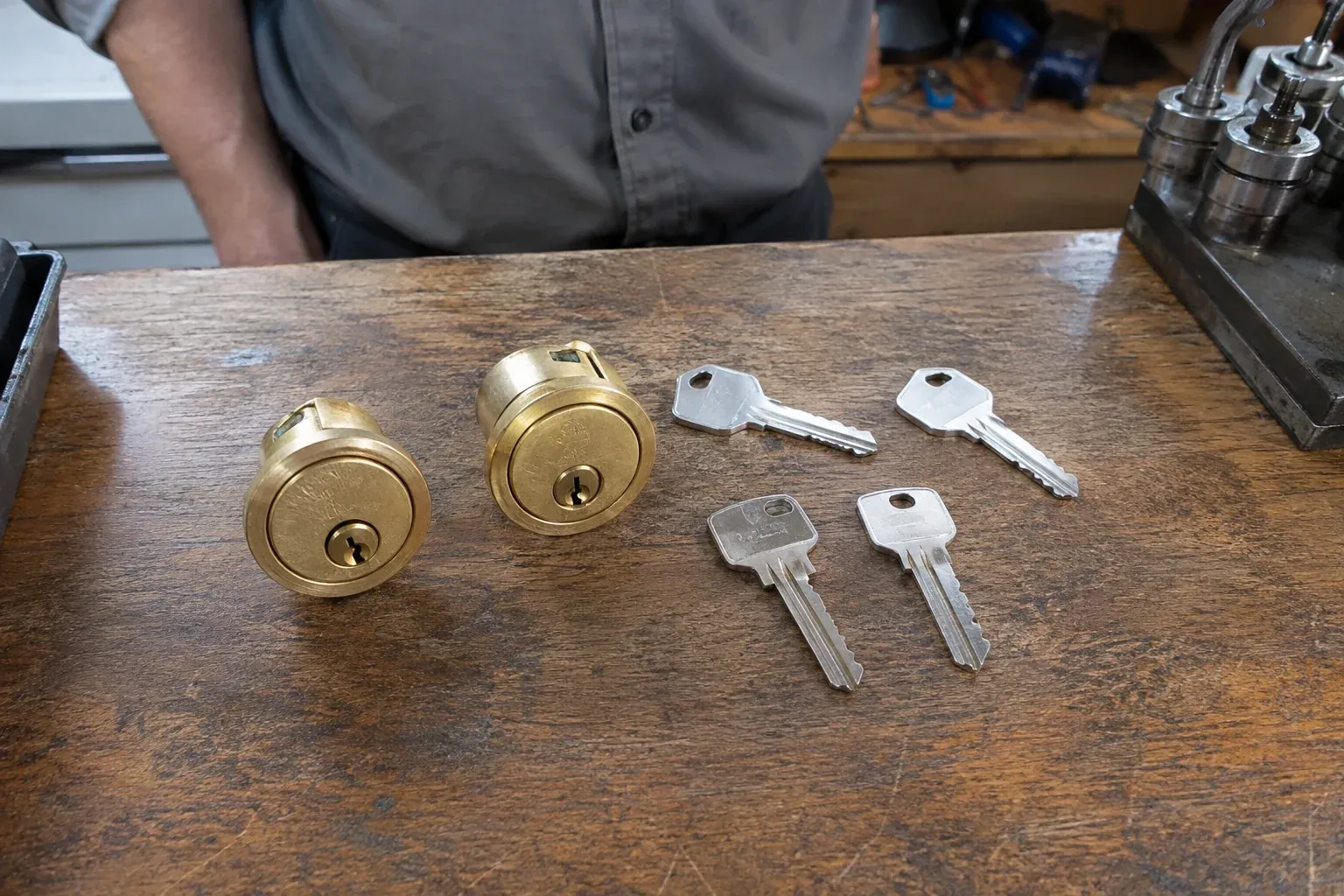
A small apartment building, a clinic with six rooms, a shop with a back office: each in Phelpston benefits from one key that opens everything and individual keys that open only what they should. We design the system, pin the cylinders, and record who holds which key so it stays manageable. We also come out to Crossland and Fergusonvale.
A small apartment building, a clinic with six rooms, a shop with a back office: each in Phelpston benefits from one key that opens everything and individual keys that open only what they should. We design the system, pin the cylinders, and record who holds which key so it stays manageable. We also come out to Crossland and Fergusonvale.
Plain talk, tidy work.
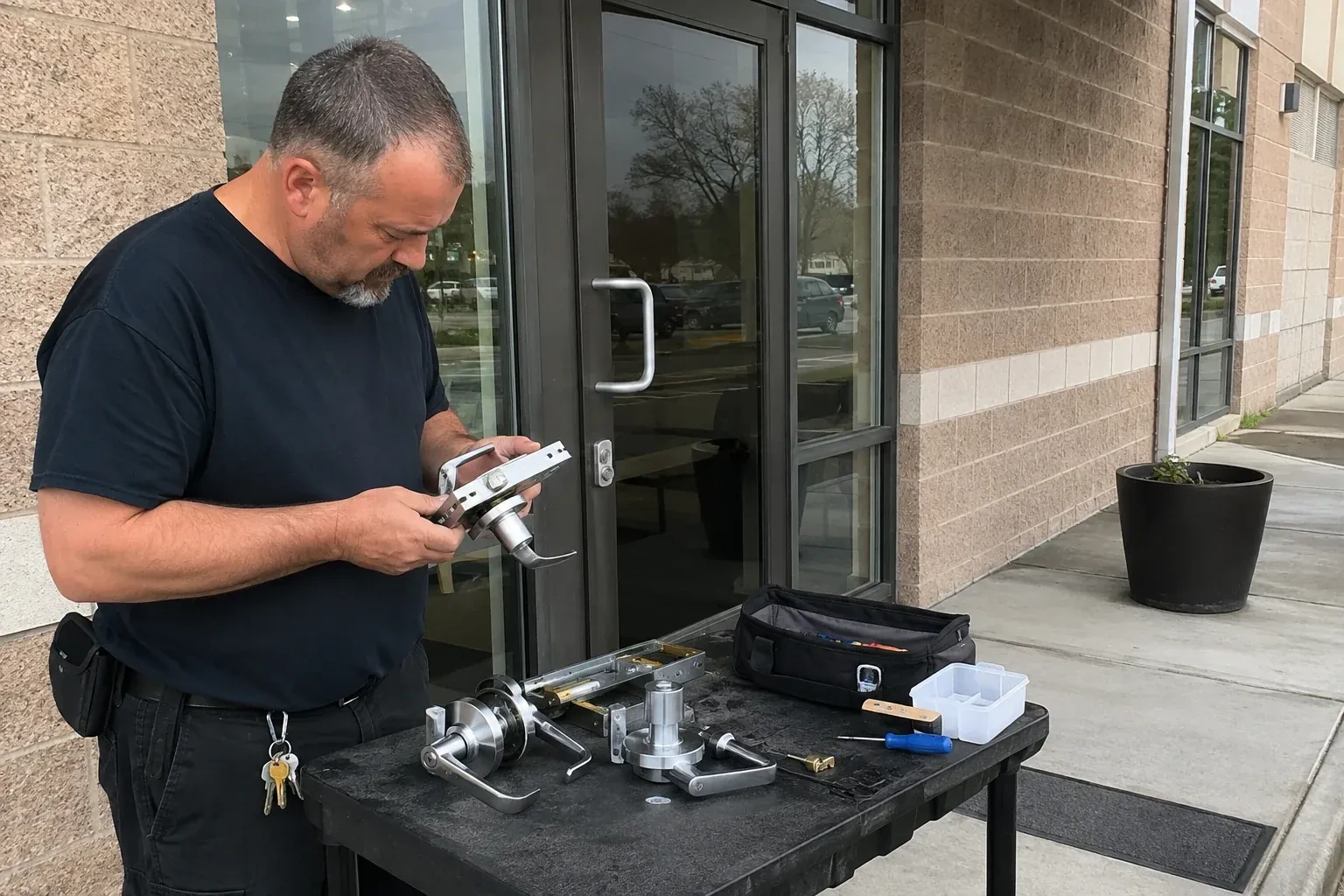
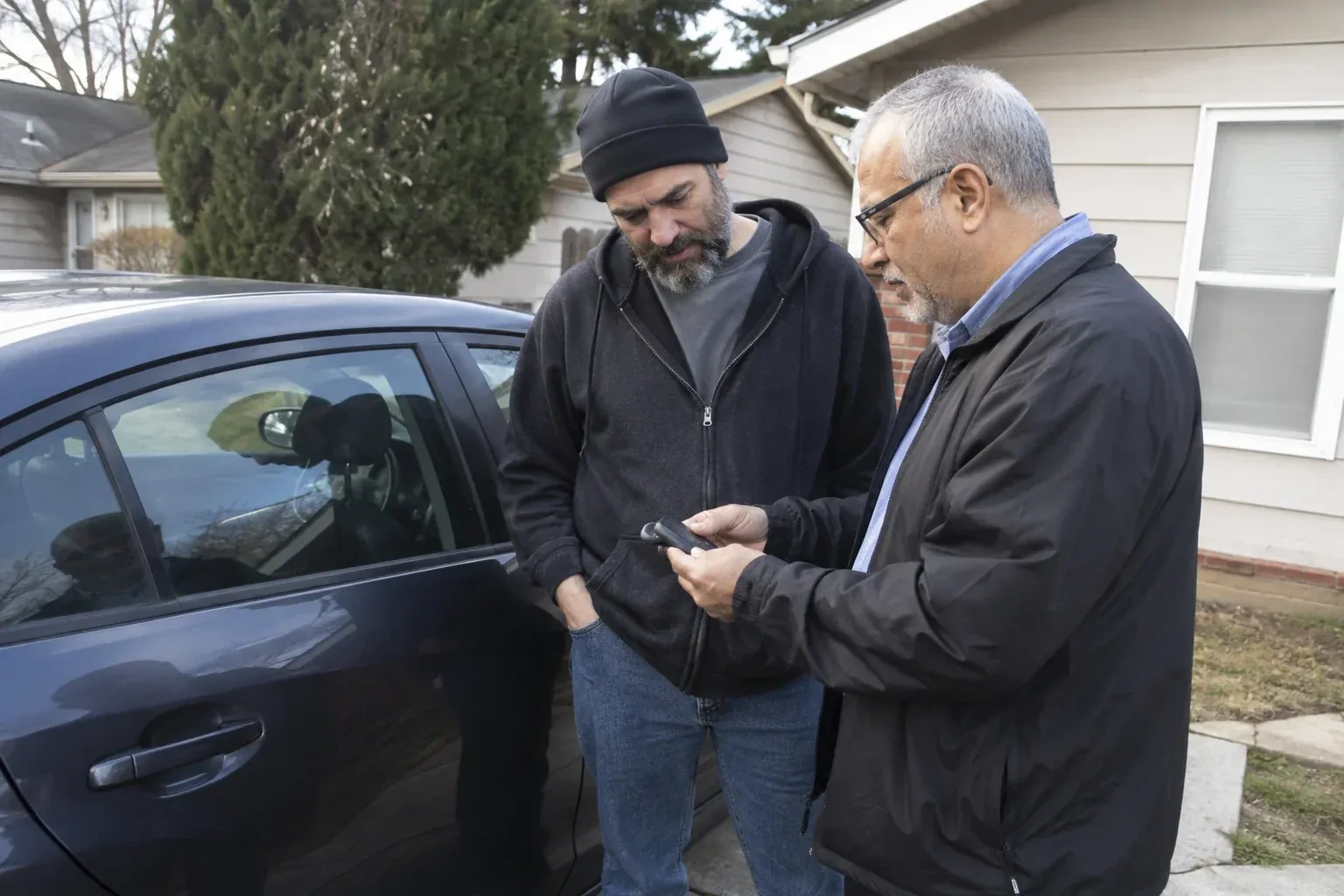
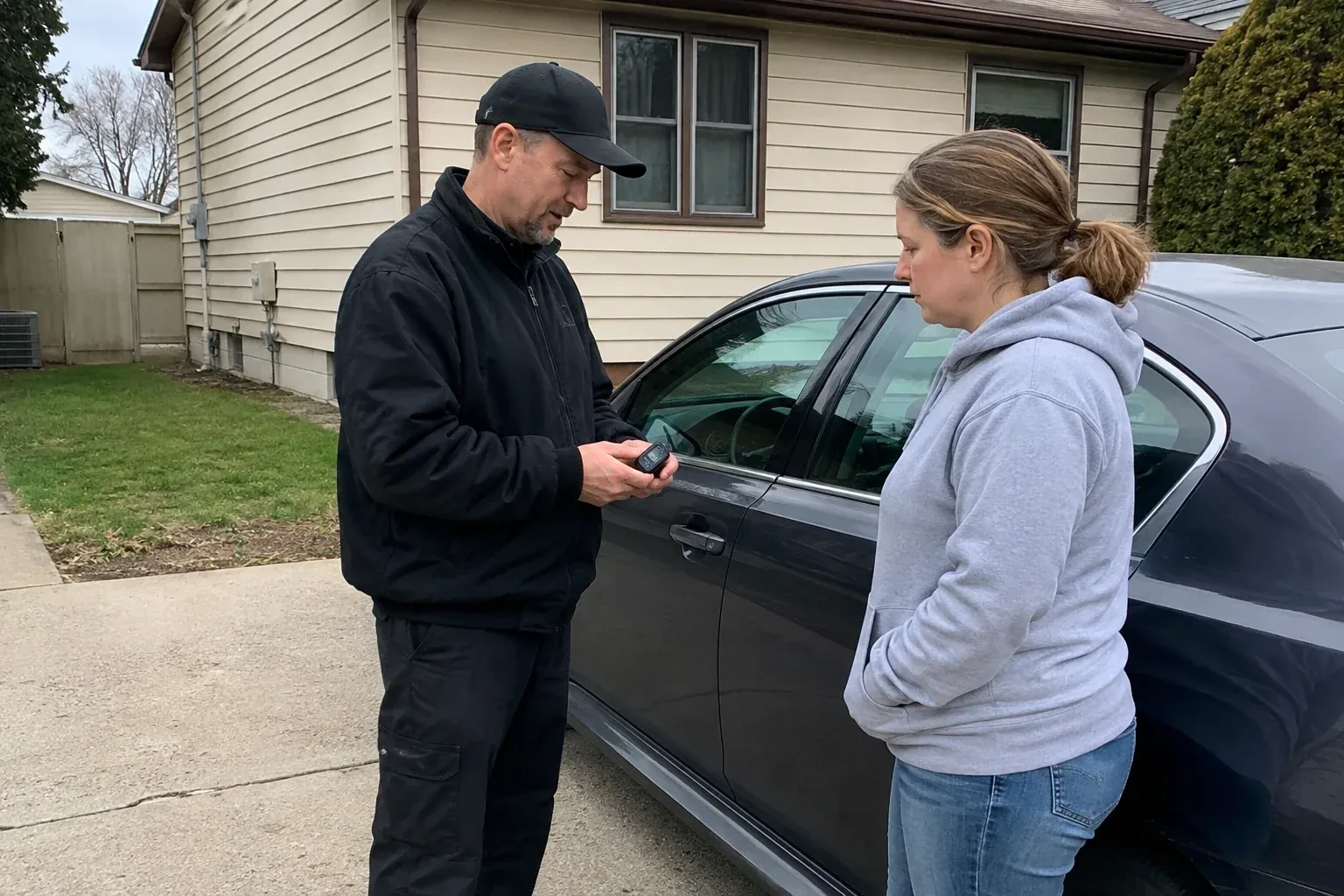
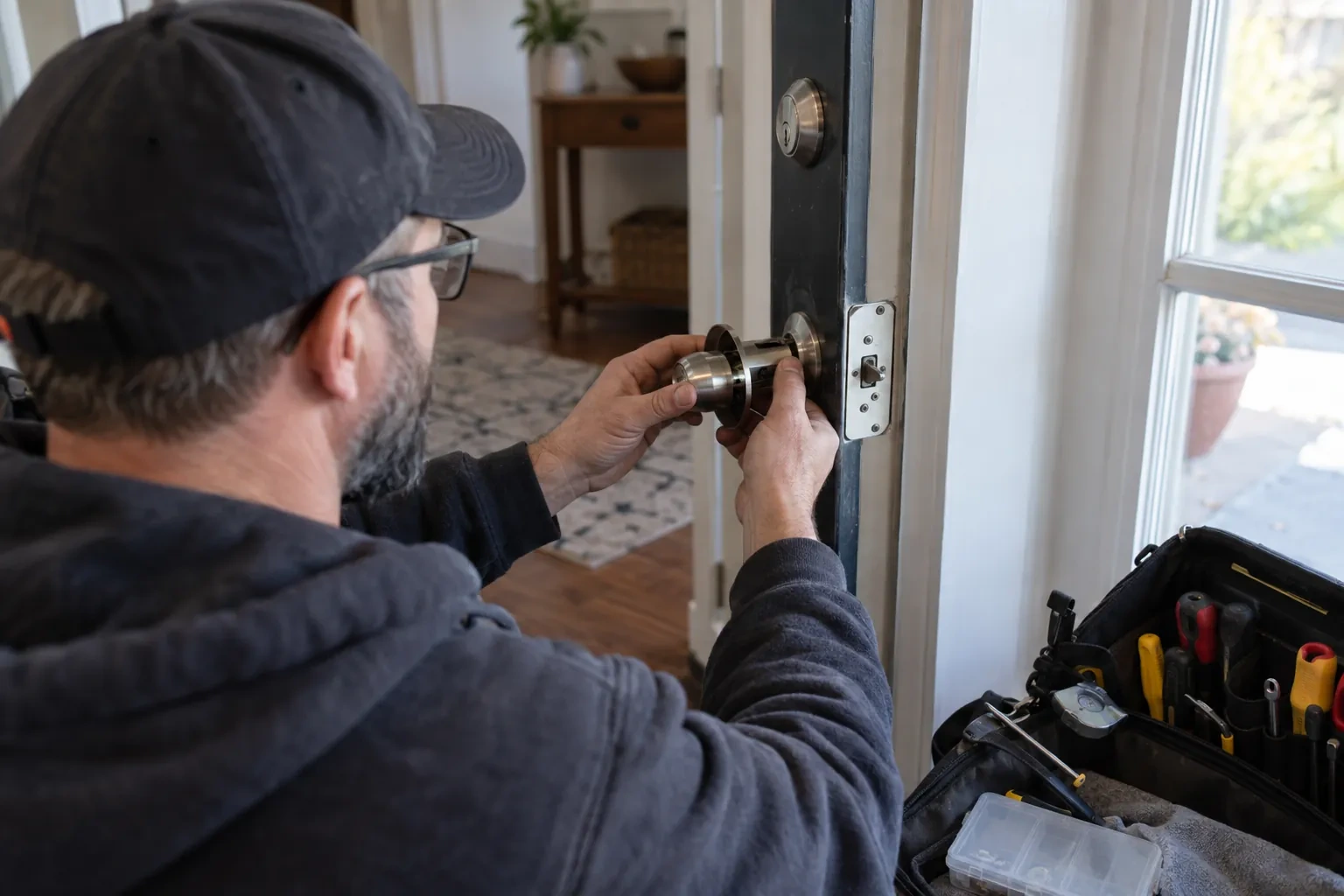
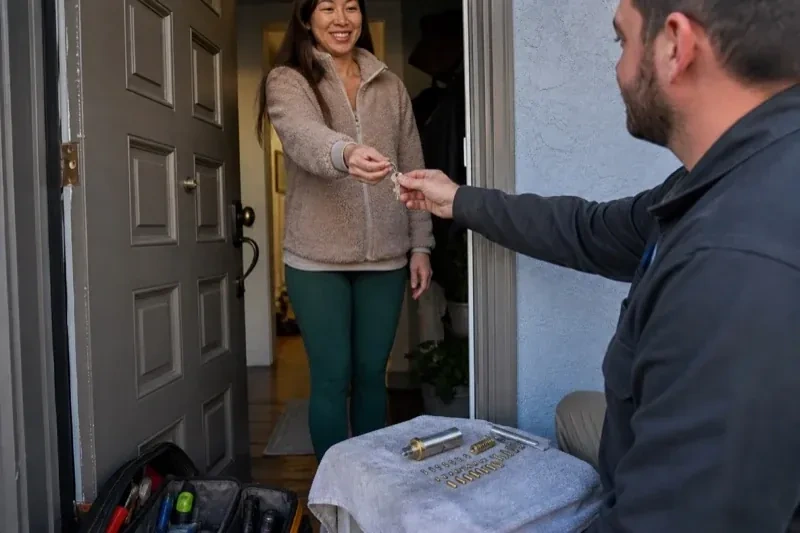
A visit to Phelpston ends with a walkthrough. The locksmith shows you how the new hardware works, which key does what, how to set a code or change a combination, and what small maintenance keeps everything turning. You should be able to use every part of the door without calling us back to ask how.
We keep our range around Phelpston tight enough to know the streets and the housing well. That shows up in small ways: the right cylinder finish already on the van, an understanding of which builders used which locks, and directions that never need a second phone call. Homes, businesses and vehicles all benefit from a technician who has been here before.
11years in business
24/7open every day
Plain words. We talk about pins, cylinders and strikes only when it helps you understand. Otherwise it is 'this is why the door sticks and here is what fixes it'.
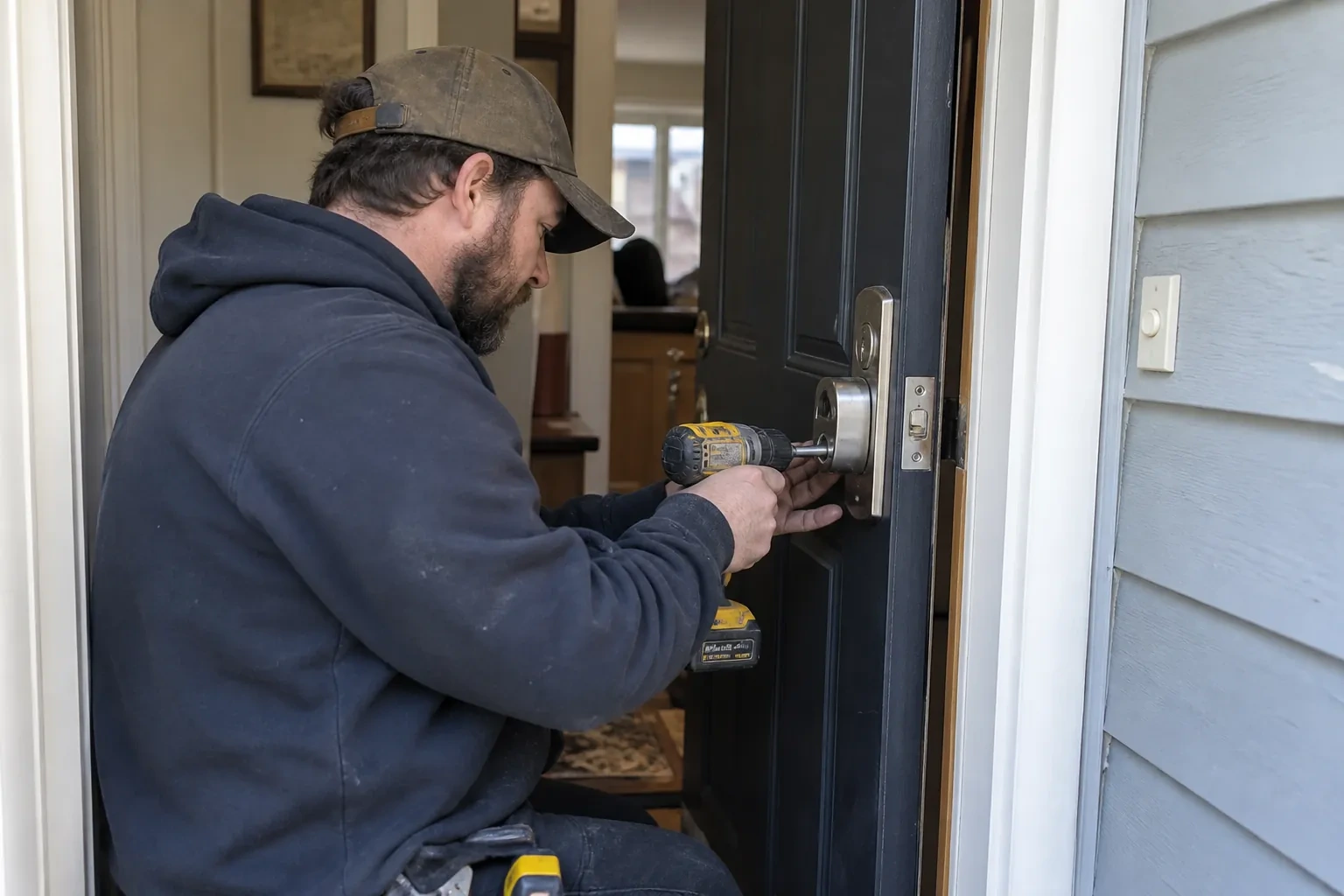
Respect for your door. We treat an old wooden door or a new steel one as yours, not as a project. Non-destructive methods come first, and we ask before drilling anything.
Knowing what you are left with. Before we leave, you will know exactly what changed, how many keys exist and what to keep an eye on. Nothing is left as a mystery.
One team handles every service on this page for Phelpston, so a lockout can turn into a rekey, and a rekey into a properly set deadbolt, within the same visit if you want it. Each service is described separately below, but at the door they fit together as one piece of work.
About 38% of homes in Springwater were built in 1980 or earlier, according to the 2021 Census.
Where homes of different generations sit together, additions and renovations are common. A house may have an original front door and a much newer side entry, and bringing both onto the same key and the same standard is a regular job.
Single-detached houses make up about 93% of homes in Springwater (2021 Census).
Mostly houses
Detached homes are exposed to weather on every side, so exterior locks see rain, salt and freezing air directly. Choosing hardware with a good finish and a cylinder that tolerates cold, then lubricating it properly, keeps every door turning through winter.
A pick-resistant cylinder in a hollow door with a two-screw strike is a locked padlock on a paper bag. We start with the door and frame, because putting the effort there first is what makes the cylinder upgrade worthwhile.
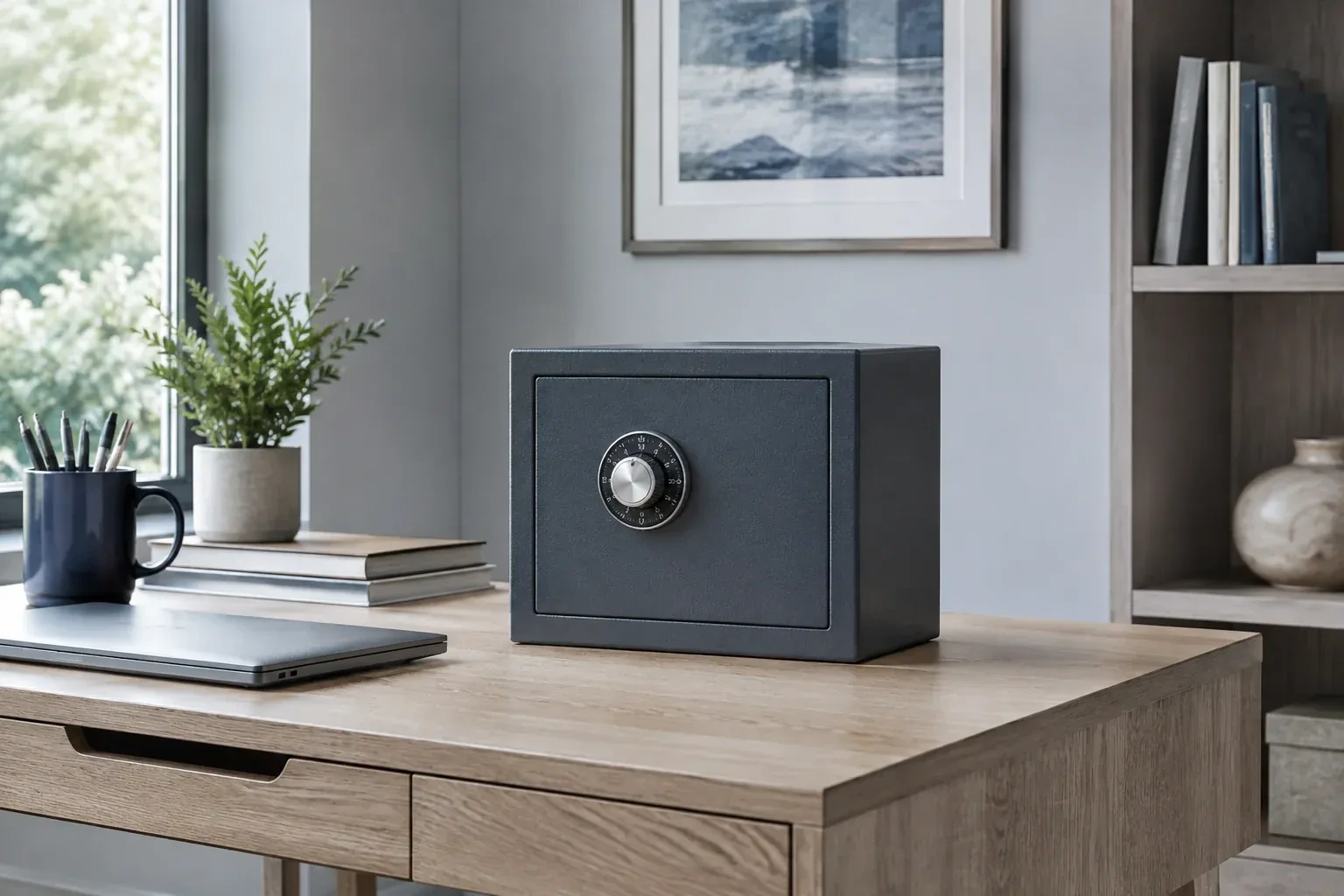
The bookkeeper who set the office safe's code retired in a hurry, and the float cash for tomorrow's registers is sitting behind a keypad nobody else in the building can operate.
A dinner service ends with a stack of bills and a handful of credit slips, and right now they sit in an unlocked cash box on a shelf until morning, because nobody has gotten around to anything sturdier.
Which fix fits?
After a week of humid weather the back door has swollen in its frame.
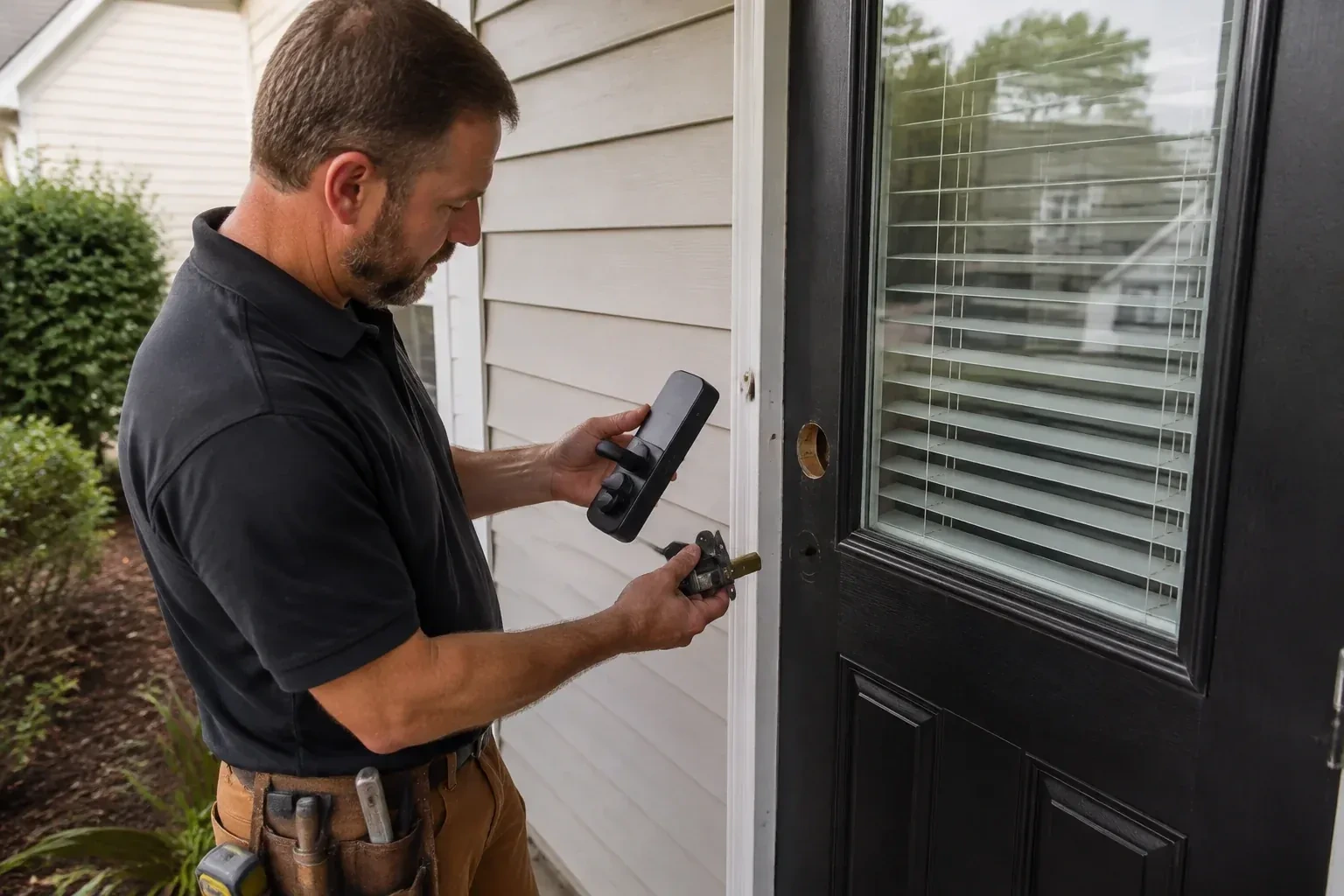
WhyThe first decision is which kind of smart lock suits the door and the household.
The key still turns, but lately it spins a half-circle further than it used to before the little door lets go, and some mornings it takes a second try.
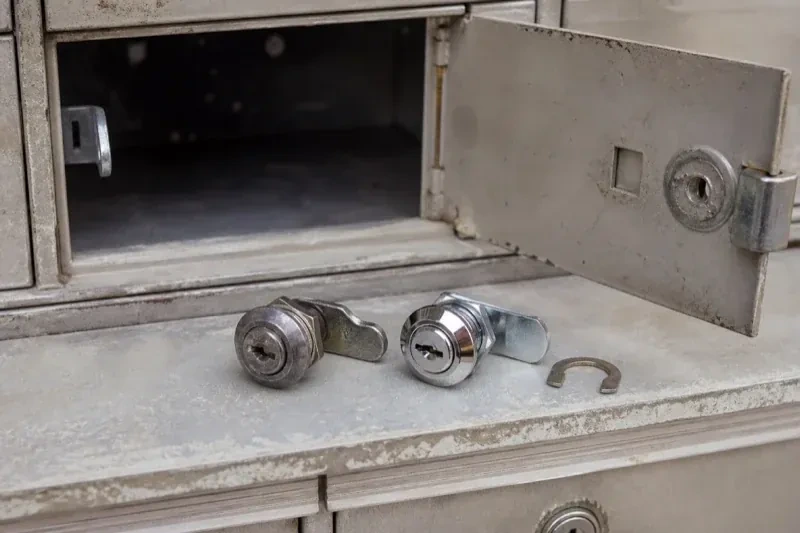
WhySmall outdoor cam locks take a beating over a Canadian winter: road spray, salt, and repeated freezing leave the keyway gritty and the cylinder stiff long before the metal actually fails.
The manager's key ring went missing somewhere between the bank and the car, and the master on it opened every door in the building.
WhyWeather leaves its mark on vehicle locks over the years.
How a visit goes
Describe the property, the hardware and what has changed, and the visit starts from what you have seen.
1
2
3
01
A short conversation first
You tell us what is happening with the door, who has keys and what you would like to be different afterwards. We ask a few questions so we arrive with the right parts.
02
A proper look at the door
We check how the door hangs, how the latch meets the strike and what the cylinder is doing before deciding anything. Then we explain what we found in plain words.
03
The work, then a walkthrough
We do the job we agreed, test every key and every position of the lock, tidy up and show you how it works before we leave.
Good days. Start with a turn.
1/9Home Lockout Service
After a week of humid weather the back door has swollen in its frame. The key turns, you can feel the bolt trying to move, but it is jammed hard against the strike plate and the door refuses to open.
Your roommate moved out last weekend. Rent is settled, the room is empty, and the key is still on their ring. You trust them, but the lock on your front door should answer to the people who actually live here.
The door from the garage into the kitchen closes on a passage knob with no lock at all. Anyone who opens the garage is one turn of a handle from the house, and the insurance renewal form has a question about exactly that.
Arthritis has made the small house key hard to grip and turn, especially with gloves on in January. Pressing a few buttons, or tapping a fob against the lock, would make coming home in winter far easier.
The key still turns, but lately it spins a half-circle further than it used to before the little door lets go, and some mornings it takes a second try. The small cam lock inside is simply worn out.
The manager's key ring went missing somewhere between the bank and the car, and the master on it opened every door in the building. Until the cylinders are changed, whoever finds it is holding the run of the place.
You reached the parking lot after a long hike and the pocket that held your car key is empty. Somewhere along ten kilometres of trail is the only key you own, and the car, your wallet and your dry clothes are all locked behind glass.
The only key to the car went into the lake with the kayak. Now the car sits locked in the driveway with a full tank, and there is no spare in the house, in a coat pocket or anywhere else.
After a cold night the driver's door key barely goes in, and when it finally seats it stops halfway and will not turn any further. Meltwater from the day before ran into the keyway and the overnight drop in temperature sealed it solid.
How long does a home lockout usually take once the locksmith arrives?
The opening itself is often the shortest part of the visit; verifying identification, examining the lock and testing the door afterwards take a share of the time too. A standard knob or deadbolt on a well-fitting door is generally a matter of minutes, while a high-security cylinder, a frozen lock or a swollen door takes longer. If a cylinder has to be drilled and replaced, or locks are rekeyed while the locksmith is there, allow extra time for that work.
Should I rekey when I move into a new home?
It is the single most common reason to rekey, and a sensible one. A resale home has typically passed through owners, agents, inspectors, cleaners and trades, any of whom may have had a key cut. A newly built home has been opened by construction crews using a builder's key. Rekeying on move-in means the only working keys are yours, and the same visit can bring every exterior door onto a single key, retiring the assorted keys you inherited.
What do lock grades mean when I am picking a deadbolt?
Residential deadbolts are graded under an industry standard in three categories, security, durability and finish, with letter grades from C through A, so a lock marked with three A grades has met the highest level in each. Heavier commercial-pattern bolts are graded 1, 2 or 3, with 1 the highest. The grades let you match hardware to a busy family door or an exposed side entrance without relying on the weight of the box.
Can you set up codes for my kids, the cleaner and the dog walker?
Yes, and separate codes for each of them is the whole point. During setup a code is created per person, so you can see who came in and remove one person without affecting the rest. Where the model allows, the cleaner's code can be limited to certain hours and days, and a one-time code can be made for a delivery or a contractor. Children's codes are set short enough to remember and changed if they are overheard.
How many keys do I get when the lock is changed?
Two keys is standard, cut from blanks matched to the new lock and tested in the door before the visit ends. Additional keys for another household member, or for someone who collects mail while you travel, are cut on the spot if you ask, rather than needing a separate stop at a hardware store afterward.
Should we rekey every time an employee leaves?
Rekey when a key has not come back or when the departure was unfriendly; when a key is returned and the register confirms it, the cylinders it opened are as secure as before. Businesses that want a response to every departure without a visit each time fit interchangeable cores and swap them in-house. Whatever the trigger, dealing with only the cylinders that key opened keeps the response proportionate.
There is a dog inside and the car is getting hot. Who do I call?
Call 911, and the provincial animal protection line if you cannot reach the owner; the province asks the public to report animals left in hot or cold vehicles rather than break glass themselves. Police and animal welfare inspectors have authority to enter a vehicle for an animal in distress. A locksmith can attend as well, and if you are the owner, the same careful opening gets you and the dog reunited with the car undamaged.
Can you make a key if every key to the car is gone?
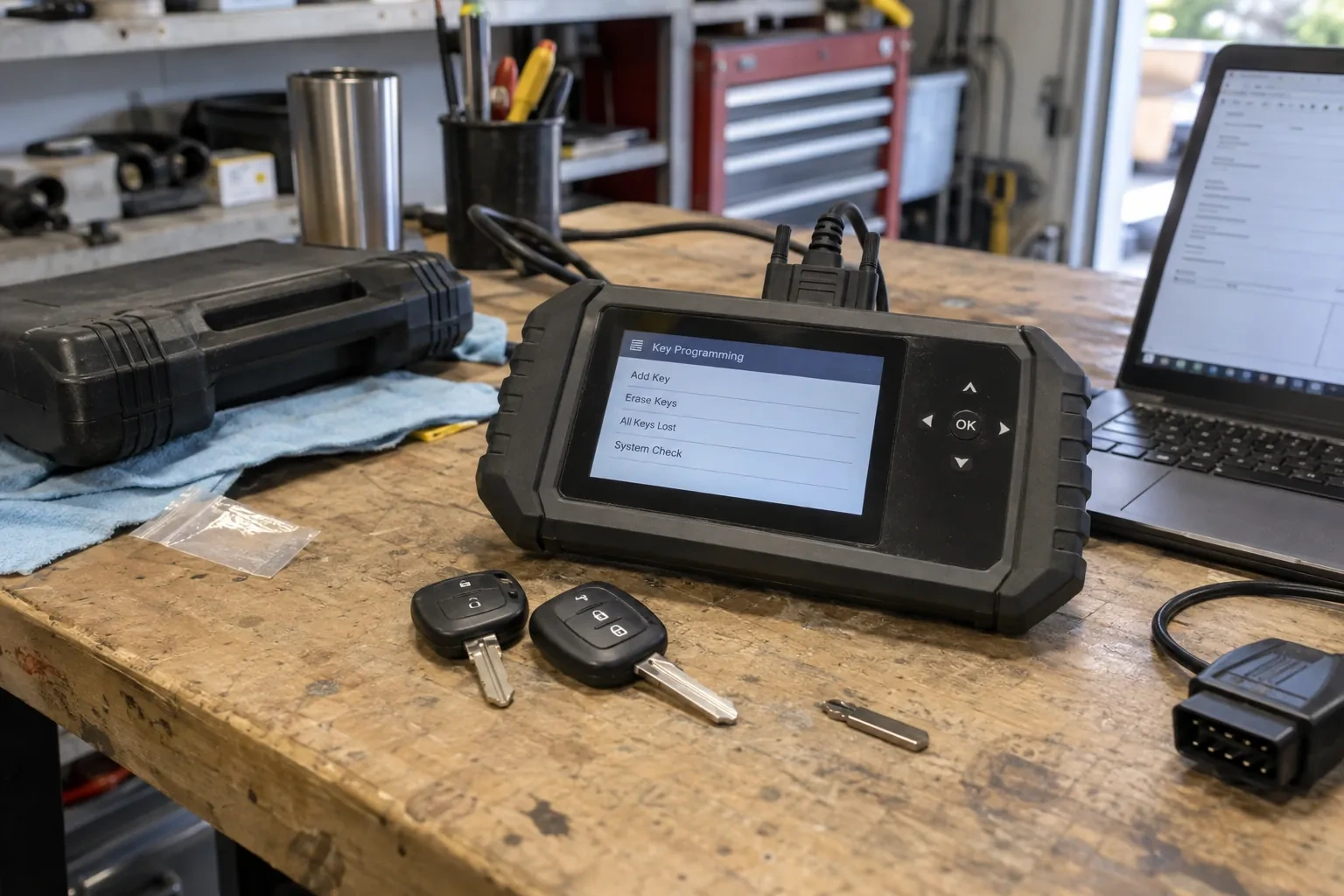
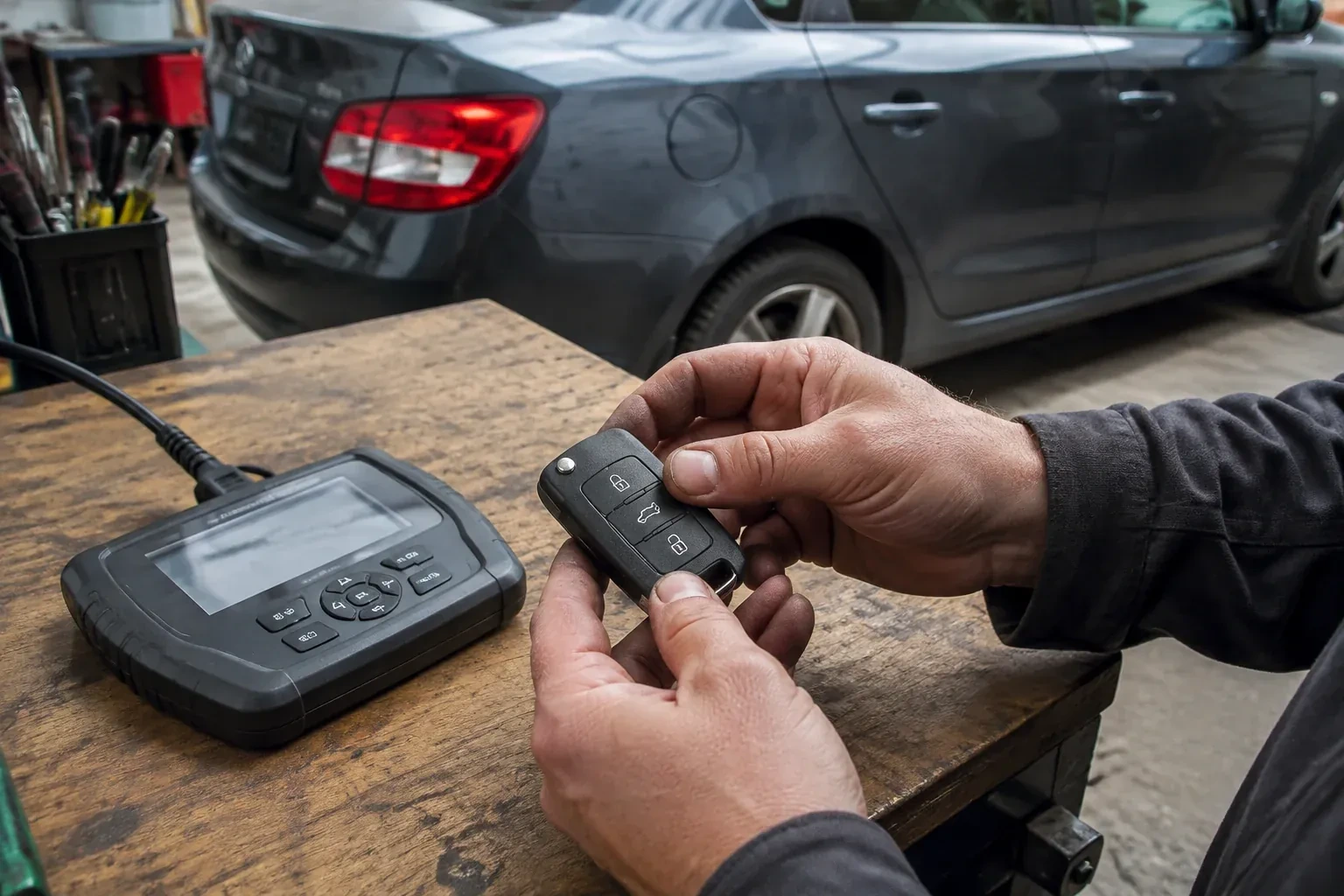
Often, yes, for vehicles with a supported conventional key system: the car is opened, a blade is produced by decoding the door lock or retrieving the factory key code, and the immobilizer is reset so the missing keys are erased before new ones are stored. A key-card or phone-key vehicle, or one needing a dealer procedure, follows its own route instead, which is why the VIN is asked for on the first call.
What causes a car door lock to seize up in winter?
Meltwater from a thaw can run into the keyway during the day and refreeze overnight, and road salt and brine thickens grease inside an older cylinder. Both make the key resist turning or stop partway, and both respond well to gentle warming or a lock de-icer rather than force.
Request a visit
A visit to Phelpston ends with a walkthrough. The locksmith shows you how the new hardware works, which key does what, how to set a code or change a combination, and what small maintenance keeps everything turning. You should be able to use every part of the door without calling us back to ask how.