Change or rekey · Phelpston
Lock Rekeying in Phelpston
Your basement tenant has given notice, and a new one arrives on the first.
In plain words
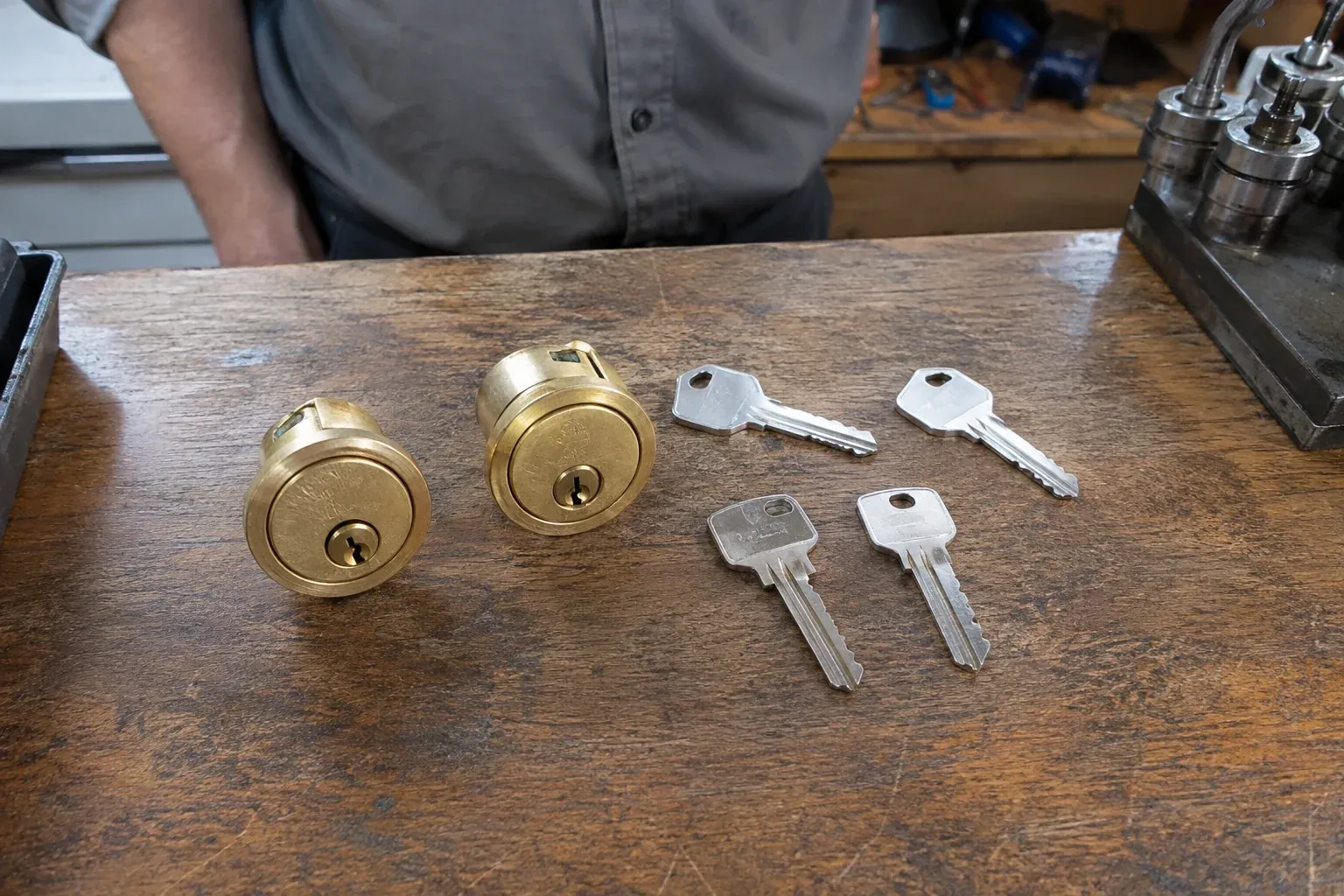
One key for the whole house is a common request and usually achievable. Cylinders that share the same keyway, the shaped channel the key slides into, can all be pinned to the same new combination, so the front door, back door and garage entry answer to a single key. Where a door carries a lock from a different family with its own keyway, that cylinder is swapped for a matching one rather than repinned, and then it joins the group. The locksmith checks each lock face before the work begins so you know exactly which doors will share the key.
How the visit goesYour roommate moved out last weekend. Rent is settled, the room is empty, and the key is still on their ring. You trust them, but the lock on your front door should answer to the people who actually live here.
Inside the lock
What a rekey changes
01
The lock you already have
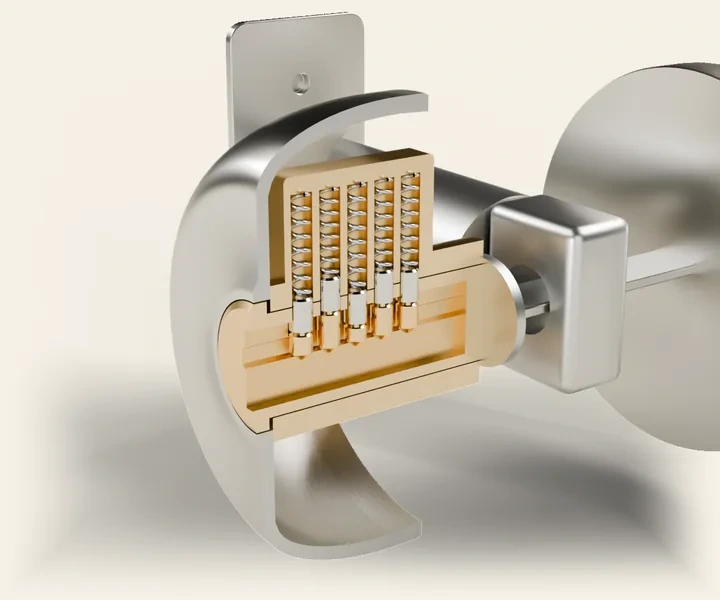
02
Inside the cylinder
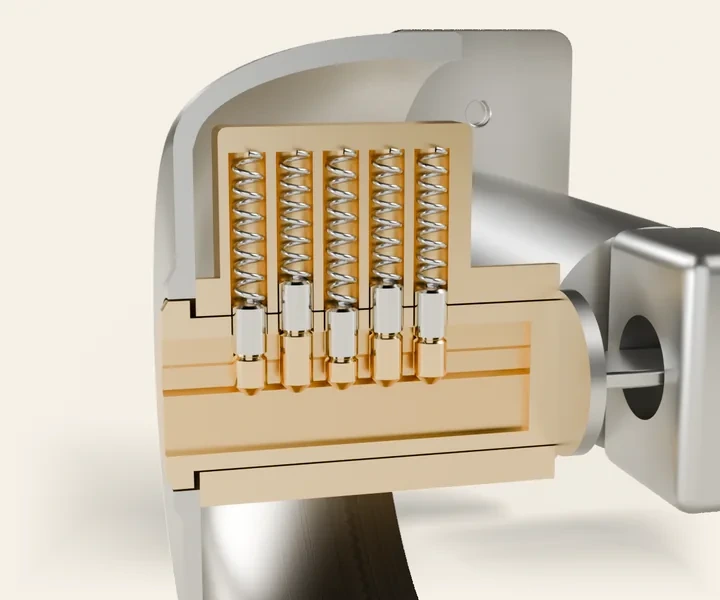
03
Pins, springs and the shear line
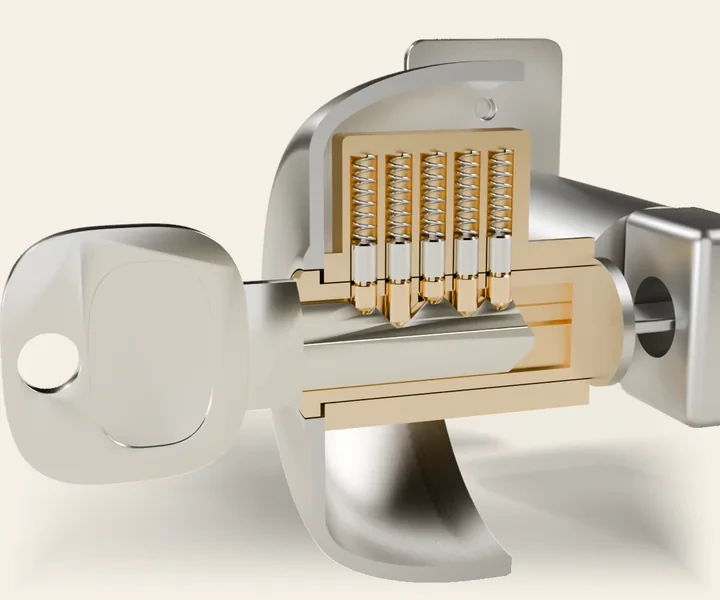
04
A new key, new pins
Lock Rekeying
How the visit goes
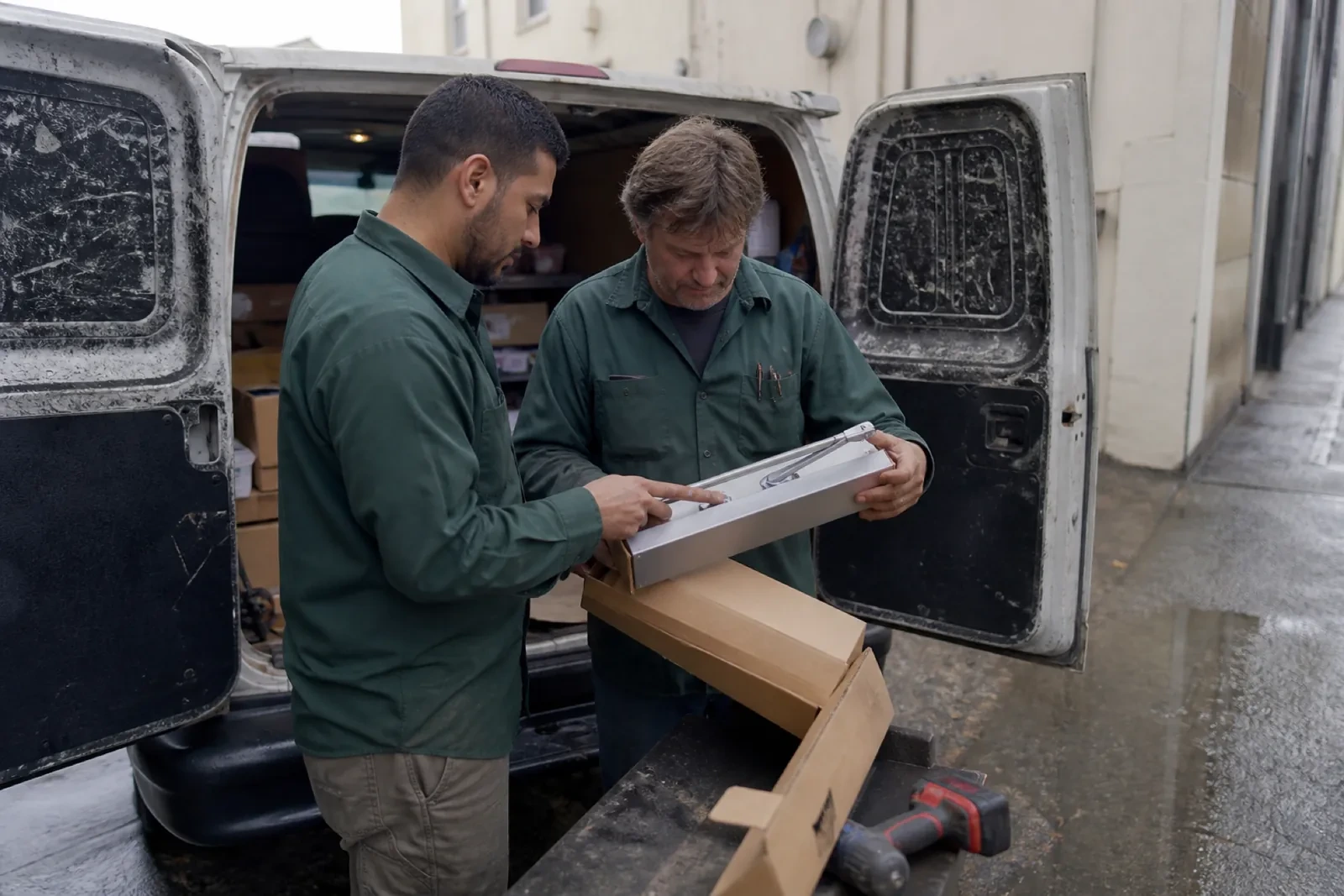
Doors that belong to someone else
A few openings around a home are not the occupant's to change, and sorting them out early avoids awkwardness later. In a condominium, the lobby, the garage, the locker room and the mailroom are the corporation's doors, and the suite door itself may need to remain on a system the building can access in an emergency. In a rental, the landlord has a say and must be given a key. A shared side entrance in a semi-detached or a duplex serves two households. The locksmith asks about each of these, confirms who needs to agree, and keeps them separate from the doors that are plainly yours.
Taking the cylinder out of the lock
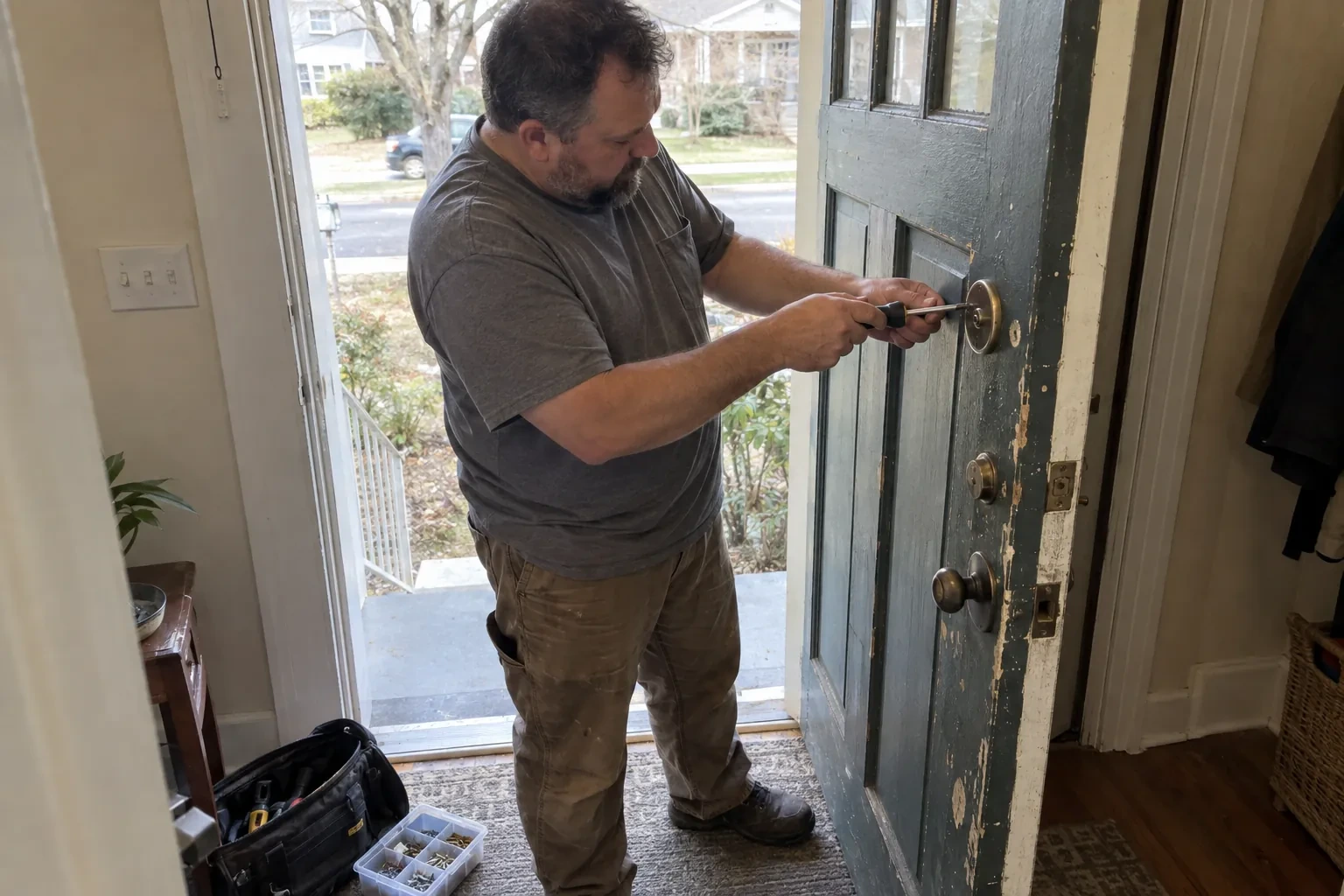
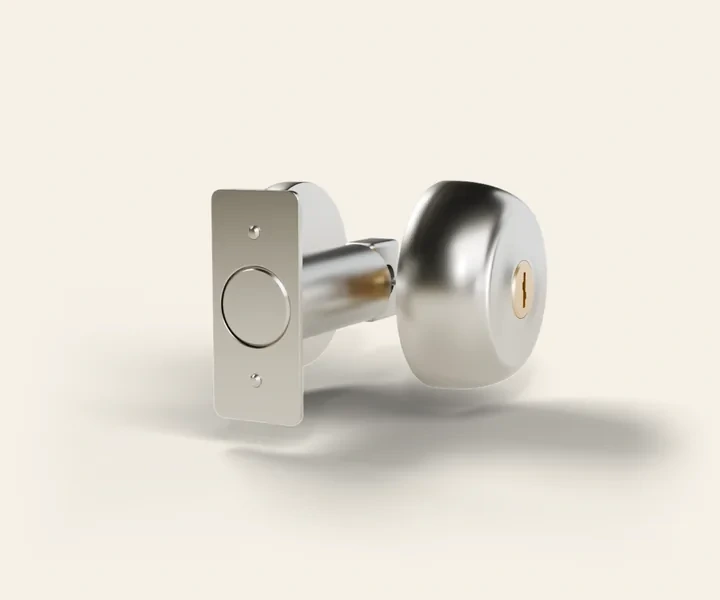
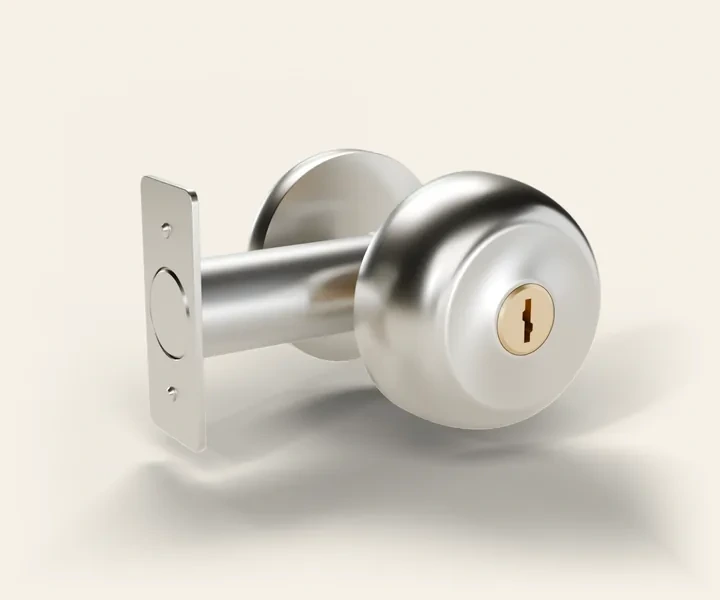
Each type of lock releases its cylinder in its own way, and the locksmith works door by door, finishing one before opening the next, so every entry stays lockable throughout. On a knob or lever set, the handle comes off after a retaining clip or set screw is released, and the cylinder slides out of the handle. On a deadbolt, the interior thumb-turn and housing are removed and the cylinder is withdrawn from the outside body. On an older mortise lock, a small set screw on the door edge is backed out and the cylinder unthreads from the case. Nothing is pried or forced; the door and trim stay untouched throughout.
Handing keys out with a little method
Rekeying gives you a clean start on who holds a key, and a few habits keep it clean. Give a key only to people who need one regularly, and know who they are. If a dog walker, a cleaner or a contractor needs access for a season, a lockbox with a code you can change afterwards is simpler than a key you have to ask for back. Tag spares with a colour or a number rather than the address. When a key does leave your control, a lost ring, a departing tenant, a relationship that has ended, that is the trigger to rekey again, and the next visit is simpler because the doors are already on one system.
Lock Rekeying
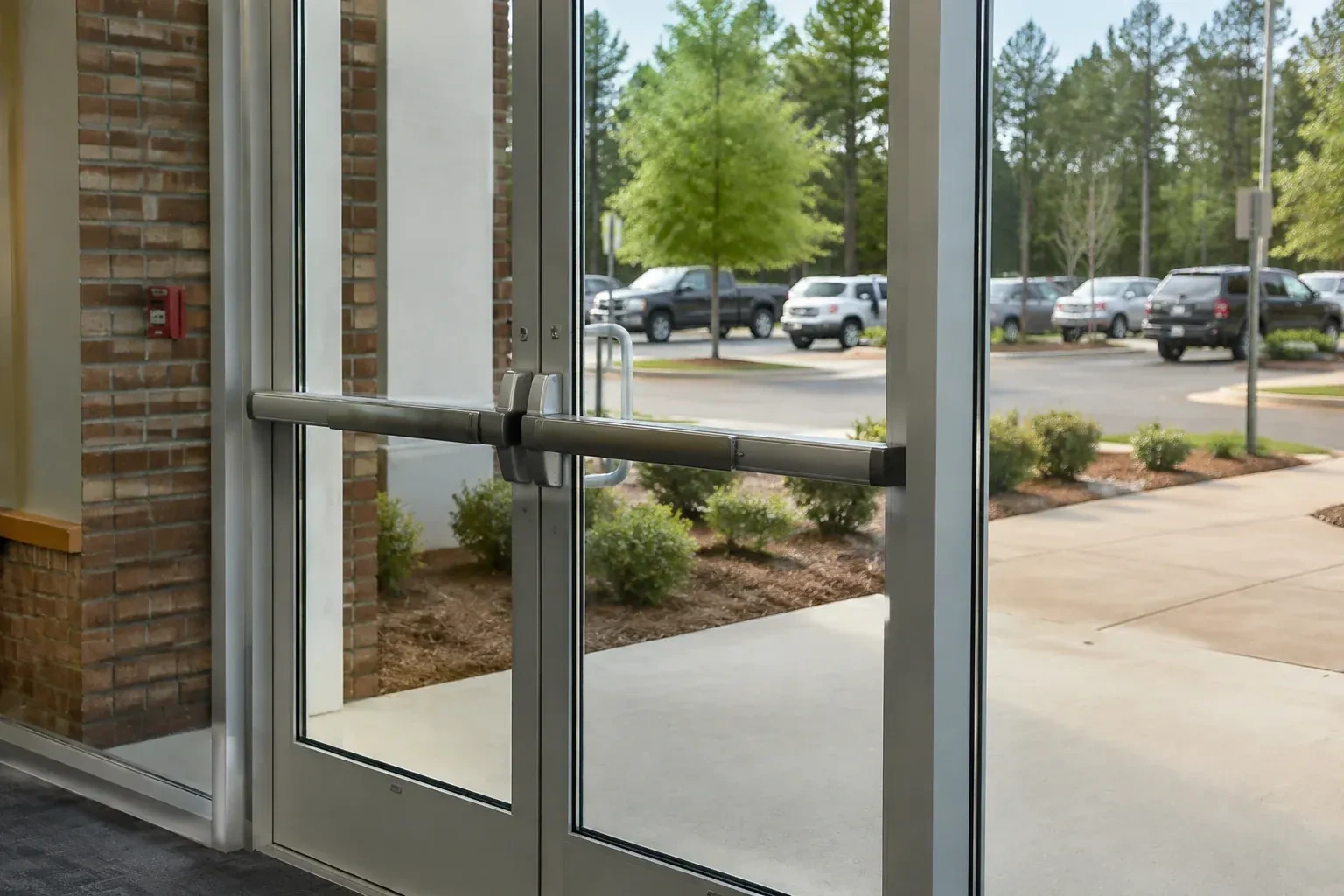
In the van
Replacement cylinder for odd keyways
Pinning tweezers and tray
Key tags and keying record
Key blanks
Key gauge
Lock Rekeying
What affects the quote
One key group or several
Keying every door alike is the simplest plan. Setting up separate keys for a basement suite, an office or a shed adds a group to pin and label, and the quote shows that as separate work.
How many cylinders are included
Each cylinder is removed, pinned and tested on its own, so a single deadbolt and a house with six exterior locks plus a shed and a gate are very different visits, and the quote follows the count.
No working key for a door
When a cylinder must be shimmed, decoded or picked open before it can be repinned because no key exists for it, that extra step is included in the quote for that door.
What to have ready
- Has a key gone missing, or is one still held by someone who has moved on?
- Do you have a working key for every lock, or is there a door with no key at all?
- Do any locks feel stiff, loose or need a wiggle to turn?
Lock Rekeying: questions
QuestionsWill I need to prove I own or rent the home?
Yes, and it is a welcome part of the job. Rekeying decides who can enter, so the locksmith confirms the person asking has the standing to make that decision. For an owner that means photo identification alongside a document that links them to the property, for instance a property tax notice or the closing statement. A manager brings the owner's written authorization. A tenant mentions that the landlord has agreed and will be given a key, since tenancy rules here expect both to hold one.
Should I rekey when I move into a new home?
It is the single most common reason to rekey, and a sensible one. A resale home has typically passed through owners, agents, inspectors, cleaners and trades, any of whom may have had a key cut. A newly built home has been opened by construction crews using a builder's key. Rekeying on move-in means the only working keys are yours, and the same visit can bring every exterior door onto a single key, retiring the assorted keys you inherited.
How long does a rekeying visit take?
It scales with the number of cylinders and how many need attention beyond pinning. A single deadbolt is a short bench job; a whole house with five or six exterior cylinders, a couple of swaps for mismatched keyways and a set of spares to cut and test takes a good deal longer. Tell the locksmith how many doors you want included when you book, and the visit can be planned realistically rather than guessed at.
Related services
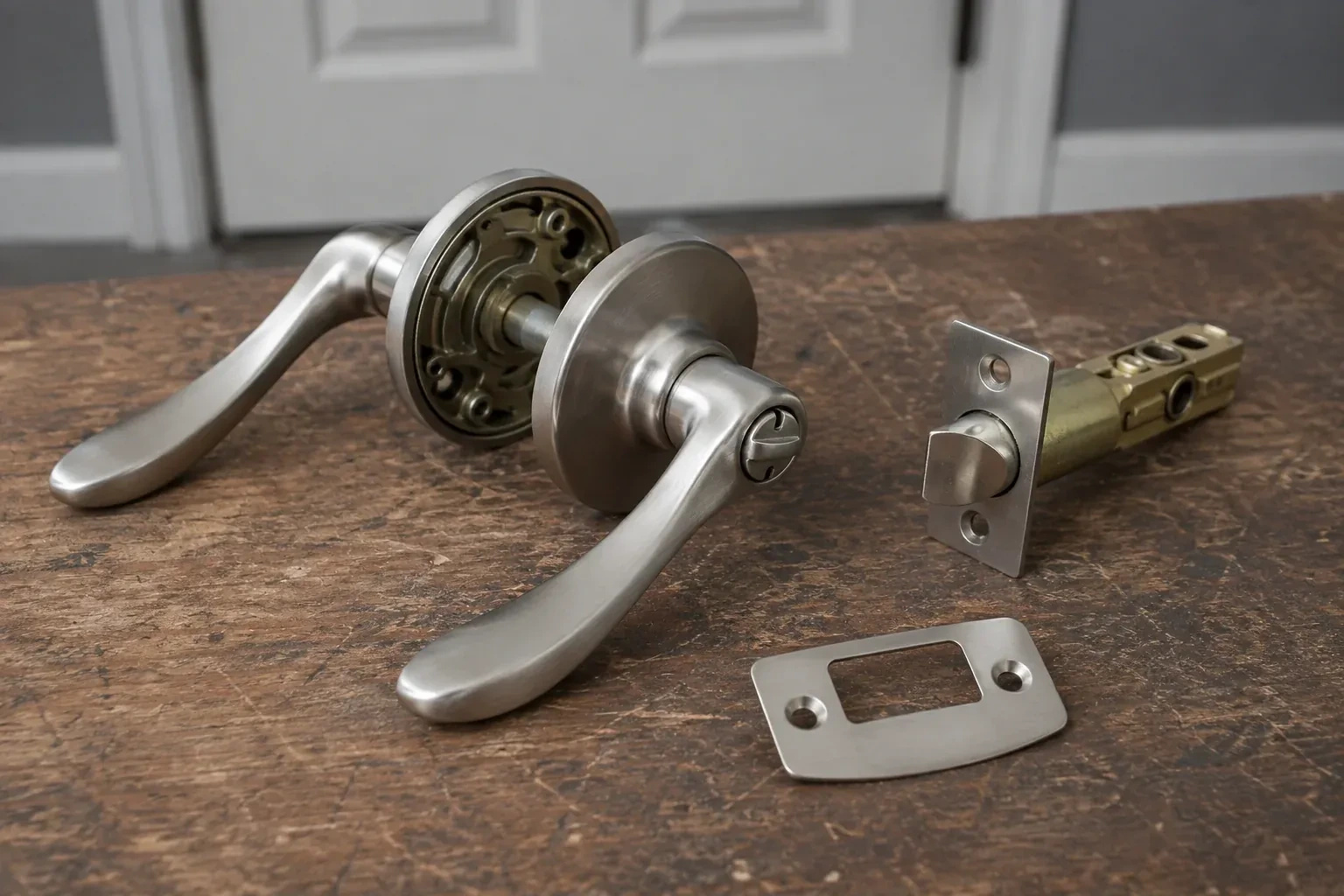
- Lock Replacement & UpgradeThe keys the seller handed over came in a sandwich bag: six unlabelled copies for two locks of different makes from different decades.
- Vintage Mortise Lock ServiceYou bought a house with its original hardware and a bag of loose keys.
- Smart Lock InstallationThe rental turns over every few months and each time you drive across town to swap keys, then wonder whether copies were made.