Lockouts · Wyebridge
Business Lockout Service in Wyebridge
The heavy glass door has been scraping the threshold for weeks.
In plain words
Businesses are locked out by people as often as by hardware. A keyholder is away, a former employee still has a key, a master key has gone missing, or the only spare lives in a drawer behind the locked door. A business lockout deals with the door in front of it and then with the pattern behind it. Cylinders can be rekeyed or removable cores swapped so an unreturned key becomes useless, new keys are cut and recorded against named holders, and a second keyholder or a lockbox is set up so that one absence never again closes the business for a morning.
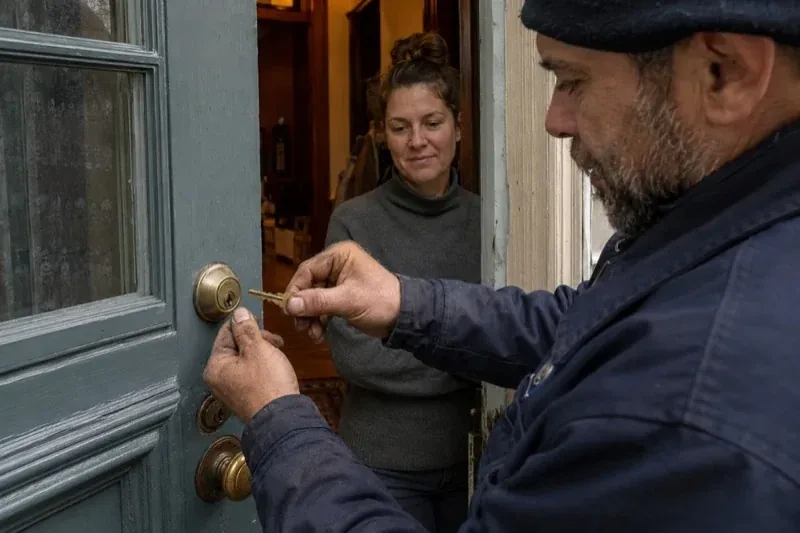
How the visit goesThe manager who holds the only set of office keys is on a plane. The team is gathered in the corridor outside the suite, the landlord's office does not open for another hour, and the client meeting is at nine-thirty.
Business Lockout Service
How the visit goes
Alarm, reader and anything wired to the door
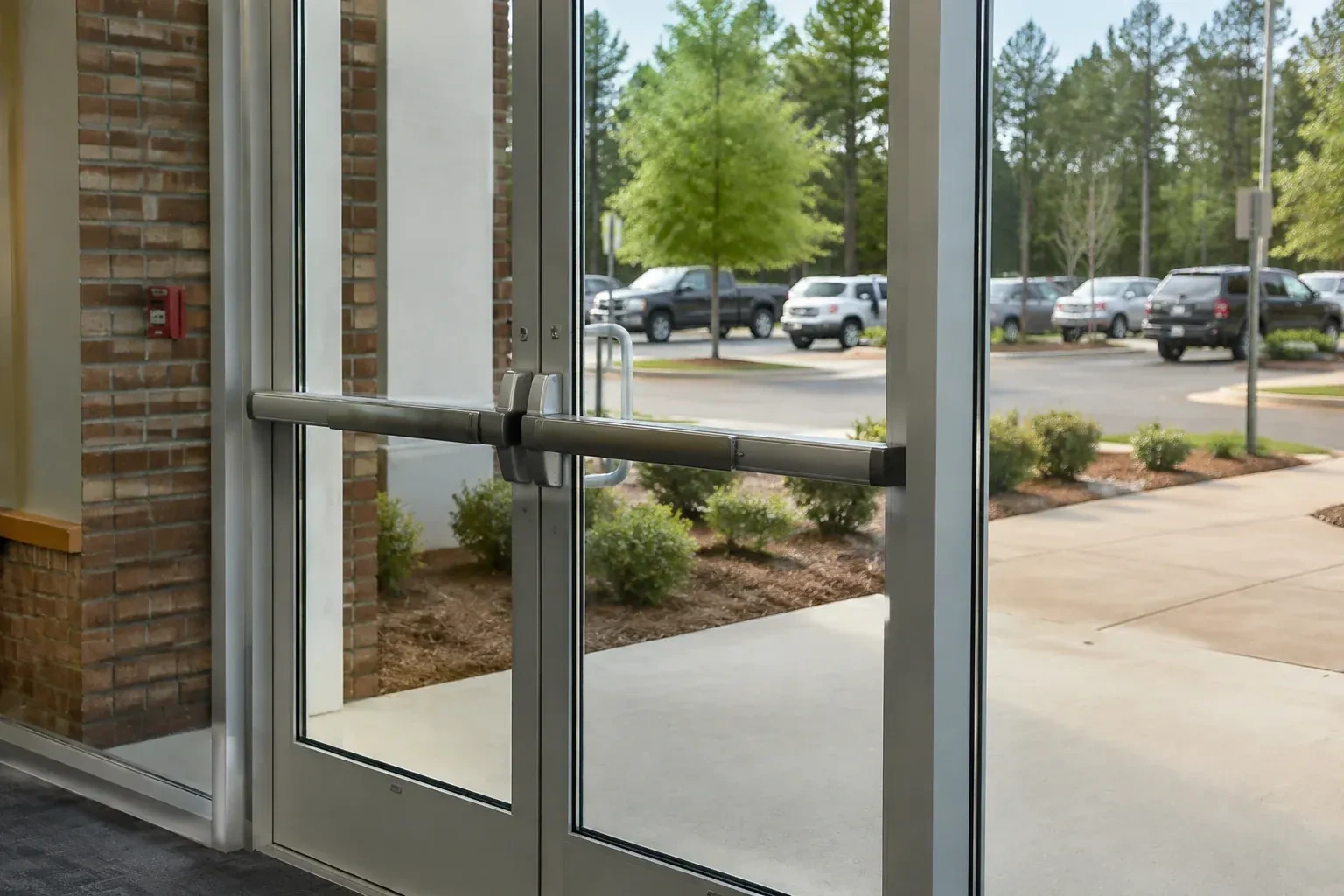
Before the door moves, the locksmith asks what will notice when it does. Is there an alarm with a contact on this door, who holds the code, and should the monitoring company be told to expect an entry? Is the door controlled by a card reader, keypad or intercom, and does it use an electric strike, fail-secure or fail-safe, or a magnetic lock, which releases? Is there a mechanical override cylinder and does anyone hold its key? Has the access-control provider got remote access to unlock it? These answers decide whether the opening is a phone call, a battery, an override key or conventional lock work, and they keep the security system intact afterwards.
Extracting a snapped key and finding out why
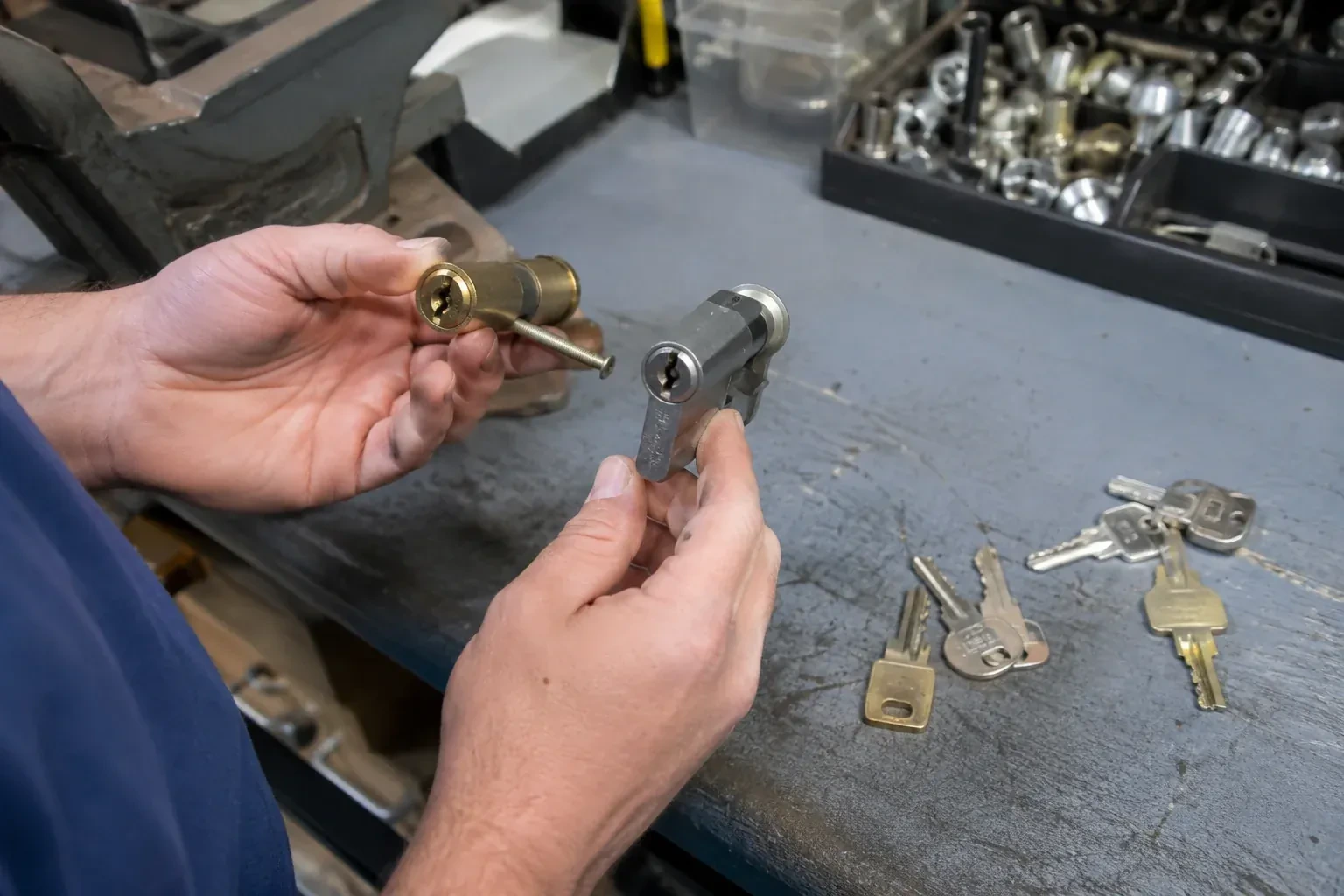
A key that broke off in a commercial cylinder is drawn out with extractor tools that grip the blade and pull it toward the face, never pushing it deeper. With the fragment out, the cylinder is picked or decoded and the door opened. The two halves of the key are then compared with a fresh blank, because a key rarely breaks in a healthy lock: a bent or thin copy, a cylinder full of grit, or a stiff cam behind it is usually the cause. The cylinder is cleaned and lubricated with a dry product, the cam checked for wear, and a new key cut from the code or from the pieces rather than from another tired copy.
Keys you can account for
After a rekey or a core swap you receive a counted set of new keys, cut from the fresh combination rather than copied from a worn original. The sensible next step is a key register: a page or spreadsheet naming each keyholder, the key they carry and the date it was issued, updated when someone leaves. Manufacturers put it plainly: locks only limit access if the keys that work them are controlled. A restricted keyway, where blanks are supplied only through authorised channels, puts real controls around duplication, though the exact process varies by program, and can be introduced now or later. Interchangeable cores make future staff changes a matter of swapping a core rather than a rekey.
Business Lockout Service
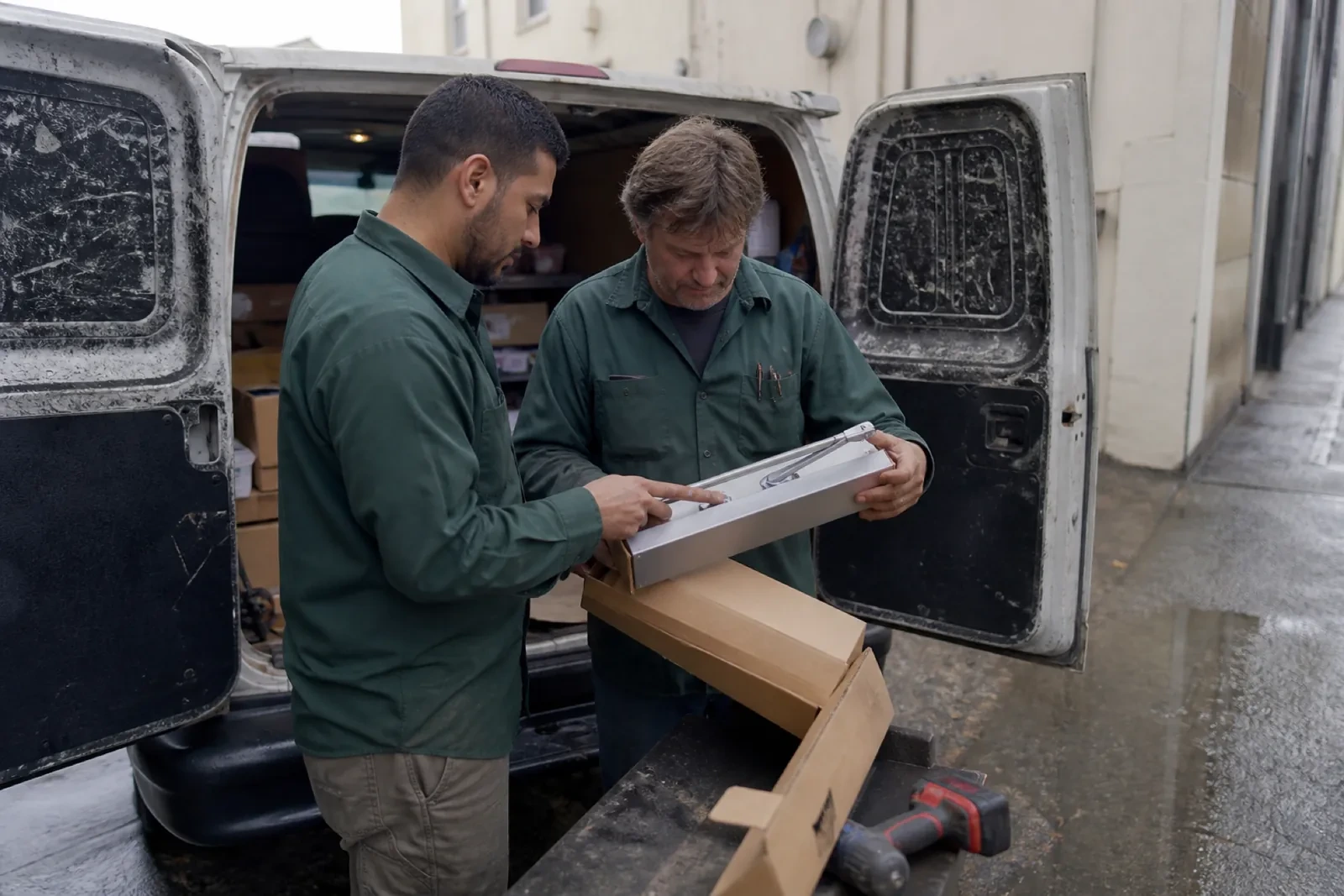
In the van
Strikes, pivot shims and closer adjustment tools
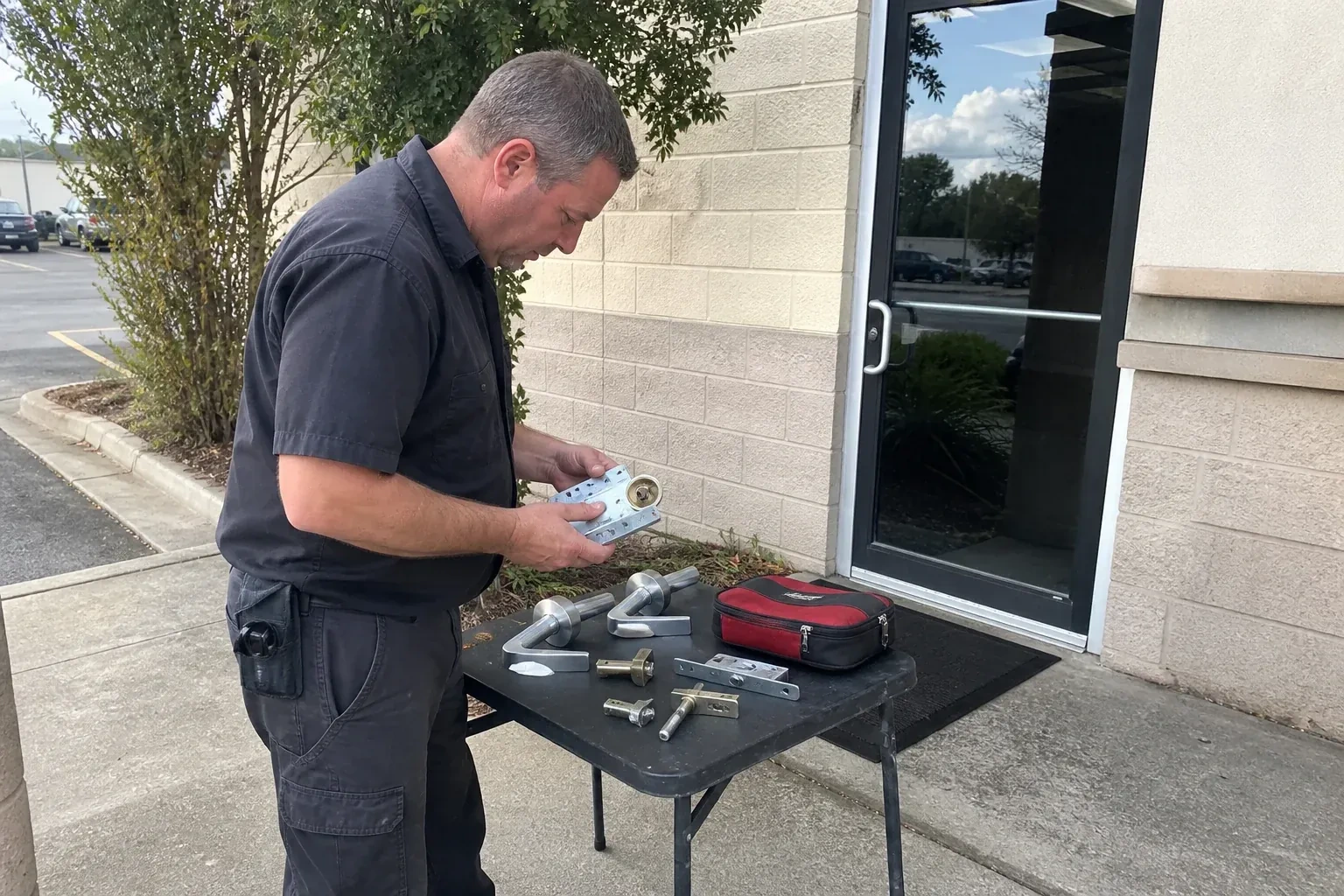
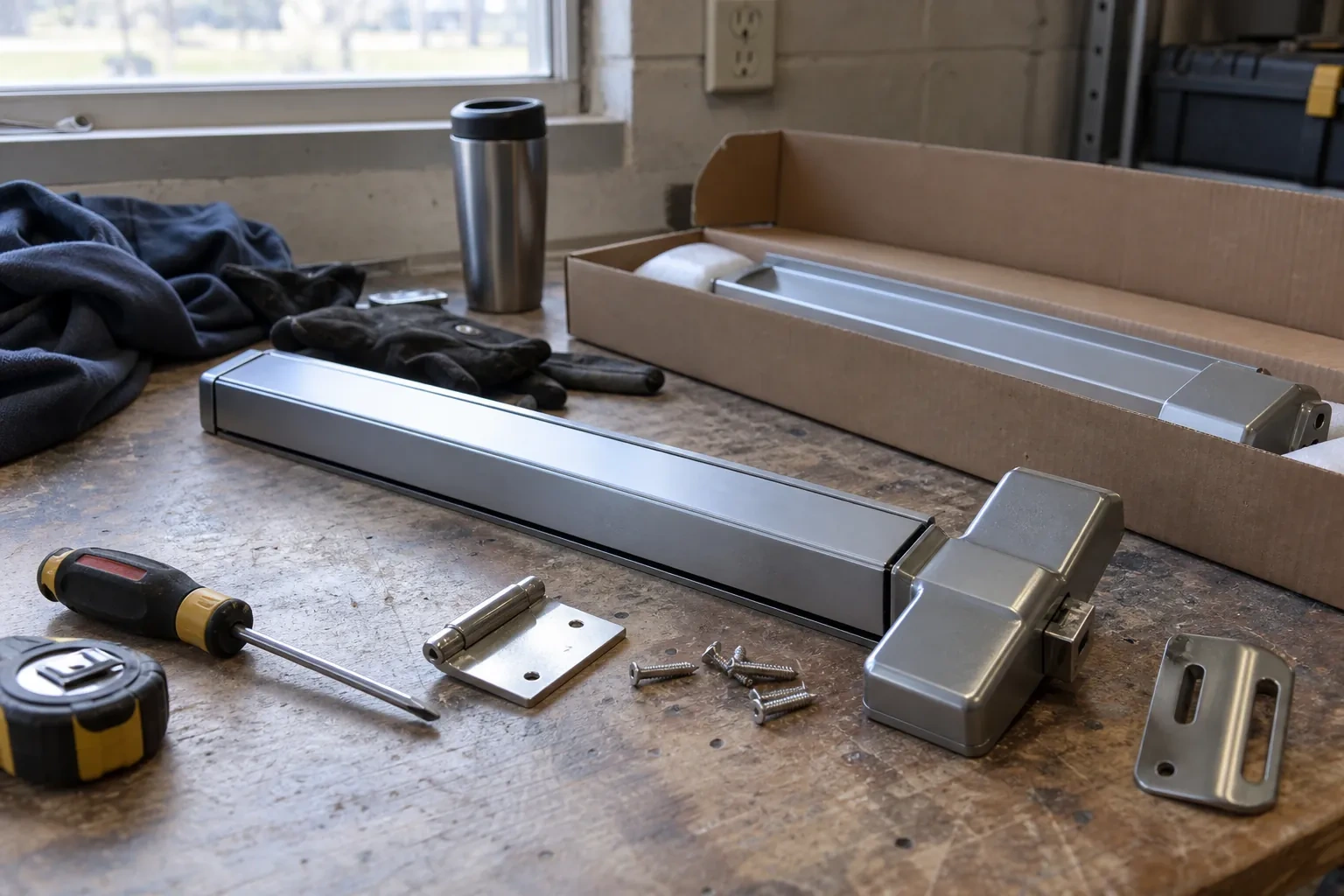
Exit device trim cylinders and dogging keys
Cylinder decoder and plug spinner
Commercial pick and tension tools
Storefront deadlatch and hookbolt bypass tools
Business Lockout Service
What affects the quote
Drilling and a replacement cylinder
If a seized or blocked cylinder has to be drilled, the quote gains a new commercial cylinder or core and the labour to fit and key it. This is explained before the drill comes out.
When the call comes in
A weekday morning, an evening after closing, a weekend or a statutory holiday all cost the same amount for a business lockout, and locksmiths are reachable at any hour. The figure is confirmed at the door once the locksmith has looked at the door and the hardware involved.
Standard or high-security cylinder
Restricted keyways, security pins and patented cylinders take longer to open and cost more to replace, and their keys are cut from system records rather than copied at a counter.
What to have ready
- Does the building have a property manager or a master key system for the unit?
- Are there other doors, a roll-up shutter, a gate or a padlock you also need opened?
- Has a key gone missing or left with a former employee, so that rekeying should follow?
Business Lockout Service: questions
QuestionsHow do you confirm I am allowed to have the business opened?
Through identification and a link to the premises. An owner shows photo identification with the lease, business registration or a document addressed to the company at that address. A manager or employee is confirmed by a call to the owner, head office or property manager on a number the locksmith can verify. If everything is inside, the check is finished after entry, before the locksmith leaves.
Our alarm is armed. What happens when you open the door?
The opening is planned around it. Before any work, the person with the alarm code is ready to disarm, and where a monitoring company is involved they can be told to expect an entry at that address. If the contact trips anyway, the authorised person speaks to the station with the account password. Nothing about the alarm is bypassed; the door is opened, the system is disarmed normally, and the event is logged like any other.
Can you also deal with the back door, the roll-up shutter and the gate?
Yes. A business lockout covers every opening the premises relies on: the rear service door with its exit device, a roll-up shutter and its padlock, the compound gate, a mailbox in the lobby and interior doors such as the cash office or server closet. Mention each one when you call so the right padlock shackles, cores and cylinders are in the van, and so cylinders that should share a key are handled together.